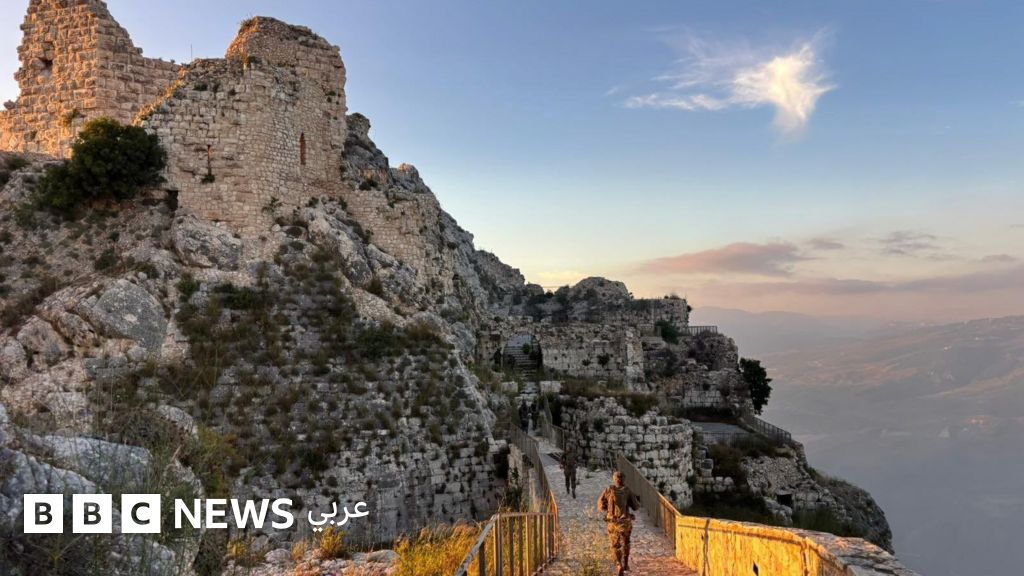
As the conflict in Southern Lebanon intensifies, the geopolitical landscape of the region continues to shift with significant military movements. Recent reports from the Israel Defense Forces (IDF) indicate an expansion of ground operations into additional sectors of Southern Lebanon, a development that has drawn international attention to the strategic heights of Beaufort Castle, historically known as Qalaat al-Shaqif.
The presence of Israeli forces at this historic site—a fortress that overlooks the Litani River and has served as a central vantage point in various regional conflicts—marks a notable escalation in the current hostilities. For observers of Middle Eastern affairs, the movement underscores the tactical focus of the Israeli military as it seeks to address security concerns along its northern border, according to official updates from military spokespersons regarding the ground offensive.
At World Today Journal, we have been closely monitoring these developments, which come amid broader regional tensions involving multiple state and non-state actors. The situation remains fluid, with both humanitarian and strategic implications for the residents of Southern Lebanon and the stability of the Levant.
Strategic Significance of the Beaufort Position
Beaufort Castle, or Qalaat al-Shaqif, is not merely a symbolic landmark; it is a critical piece of high ground. Historically, its location has allowed whoever controls it to monitor movement across the valleys below, extending deep into Southern Lebanon. The current expansion of Israeli ground operations, as confirmed by the Israel Defense Forces official communications portal, involves moving into “additional operational areas,” a phrase that military analysts suggest indicates a broader push to degrade infrastructure utilized by Hezbollah.
The significance of this maneuver is underscored by the history of the site. During the 1982 Lebanon War, the battle for the castle became a defining moment in the conflict. Today, the rhetoric surrounding the site reflects the high stakes involved for all parties. While official statements from the Israeli government emphasize the necessity of these actions to ensure the return of displaced citizens to their homes in northern Israel, the international community, including bodies like the United Nations, continues to call for de-escalation to prevent a wider regional conflagration.
The Humanitarian and Geopolitical Context
The expansion of the theater of operations has brought areas previously considered relatively removed from the front lines into the “circle of fire.” Reports indicate that military activity is now affecting districts further north, near the Zahrani and Tyre (Sour) regions. The humanitarian impact of these movements is significant, with the UNHCR and other aid agencies reporting large-scale displacement as civilians flee areas under evacuation warnings.

From a geopolitical standpoint, these events are unfolding against the backdrop of stalled diplomatic efforts and shifting alliances. The involvement of various regional powers in the diplomatic discourse, including discussions regarding potential new frameworks for stability, remains a critical area of focus. Analysts suggest that the pressure on the ground is intended to create a new reality on the border, though the long-term sustainability of such a strategy remains a subject of intense debate among international relations experts.
Key Takeaways: Understanding the Escalation
- Geographic Focus: The expansion of operations includes the strategic Beaufort Castle (Qalaat al-Shaqif) area, a site of historical importance in Lebanon-Israel conflicts.
- Military Objectives: The IDF states that the current ground offensive is aimed at dismantling infrastructure to facilitate the safe return of northern Israeli residents, as outlined in official government press briefings.
- Regional Impact: The conflict has expanded to include areas near the Zahrani and Tyre regions, leading to increased civilian displacement and heightened regional tension.
- Diplomatic Stasis: International efforts to mediate a ceasefire face significant hurdles as both sides maintain their stated strategic objectives.
What Happens Next?
The situation in Southern Lebanon remains highly volatile. The next confirmed checkpoint for international observers will be the upcoming briefings from the United Nations Security Council, where the humanitarian crisis and the status of the “Blue Line”—the demarcation line between Lebanon and Israel—are expected to be central agenda items. The international community is awaiting further statements from the Lebanese government regarding their diplomatic strategy to contain the conflict.

As this situation develops, World Today Journal will continue to provide balanced, fact-based reporting. We invite our readers to share their perspectives in the comments section below and to stay tuned for our upcoming deep-dive analysis on the long-term geopolitical consequences of these latest border maneuvers. Your engagement helps us maintain the standard of rigorous, independent journalism that our global audience expects.
Worth a look