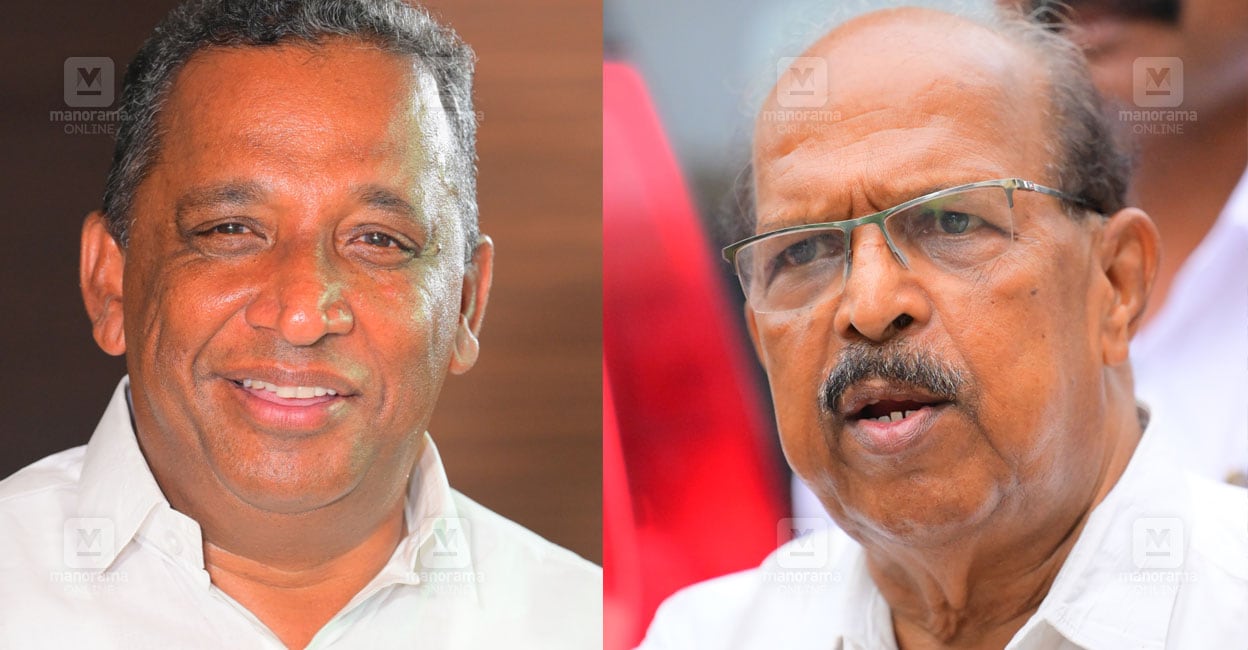
In the evolving landscape of Kerala politics, internal friction within political movements often spills over into the public domain, revealing deep-seated ideological and personal tensions. Recent remarks made by senior leader G. Sudhakaran regarding Kuttanad MLA Regi Cherian have highlighted these ongoing fractures, centering on themes of political morality and the conduct of elected representatives.
The discourse, which has gained traction in local political circles, touches upon the broader implications of leadership behavior and the expectations placed upon those who hold public office. As the political climate in districts like Alappuzha remains sensitive to shifts in loyalty and internal dissent, such public criticisms serve as a barometer for the internal stability of the parties involved. According to reports from the region, these exchanges are not merely personal disagreements but are framed within the context of party discipline and the legacy of the movement.
Political Morality and Internal Dissent
The recent commentary from G. Sudhakaran, a seasoned figure in Kerala’s political scene, emphasizes a perceived disconnect between the values of the movement and the actions of some current leaders. This critique is set against a backdrop of wider political movements in Alappuzha, where figures like Minister Saji Cherian have also been vocal regarding the shifting loyalties and the integrity of political alliances. As noted by the New Indian Express, Minister Saji Cherian recently addressed these tensions, contrasting the behavior of those he views as betraying the party’s legacy with the actions of other veteran leaders.
The central contention involves the behavior of elected officials and the influence of personal status on their public duty. Critics argue that when individual ego or the perceived arrogance of wealth influences policy or public interaction, it undermines the grassroots connection that remains essential for political relevance. This sentiment echoes the broader discourse on whether political representatives are maintaining the humility expected of those serving the public interest.
The Impact of Shifting Loyalties
The political environment in Alappuzha has seen a series of public debates regarding leaders switching parties and the subsequent impact on electoral strategies. Minister Saji Cherian’s recent remarks underscore a firm stance against the UDF’s electoral strategies, which he alleges rely on aligning with individuals who have turned against their own previous movements. This narrative of “betrayal” is a recurring theme that shapes the public perception of candidates during election conventions.
For observers of Kerala’s political landscape, these developments are indicative of a larger struggle for ideological purity. The critique directed at Regi Cherian by G. Sudhakaran specifically targets the perceived abandonment of the common touch, a quality often romanticized in the state’s political tradition. Whether these public criticisms will sway the electorate remains a point of speculation, but they certainly highlight the volatility of local party dynamics as we move through the 2026 calendar year.
Understanding the Context of Public Criticism
It is important to distinguish between the various layers of these political critiques. While personal animosity often plays a role in such exchanges, the public framing is almost always anchored in the rhetoric of “political morality.” By invoking the legacy of party martyrs and the toil of grassroots workers, senior leaders aim to remind the current generation of legislators that their positions are not merely personal achievements but responsibilities entrusted to them by a movement.
The tension between established veterans and newer representatives often surfaces during periods of transition or internal policy shifts. For the voters of Kuttanad and the wider Alappuzha district, the ongoing dialogue serves as a reminder of the complexities inherent in party-based governance. As of late May 2026, there have been no official reconciliatory statements from the parties involved, suggesting that these internal divisions may continue to influence the political discourse in the coming months.
Looking Ahead
The political situation in Alappuzha continues to evolve as parties prepare for upcoming electoral challenges and internal reviews. Observers are keeping a close watch on whether these public disputes will lead to formal disciplinary actions or if they will remain confined to the realm of public debate. The next scheduled party committee meetings or state-level conventions will likely serve as the next checkpoint for gauging the impact of these criticisms on party unity.

We will continue to monitor these developments as more information becomes available through official party channels and legislative updates. Readers are encouraged to stay informed through verified sources and to share their thoughts on the evolving political climate in Kerala.
Keep reading