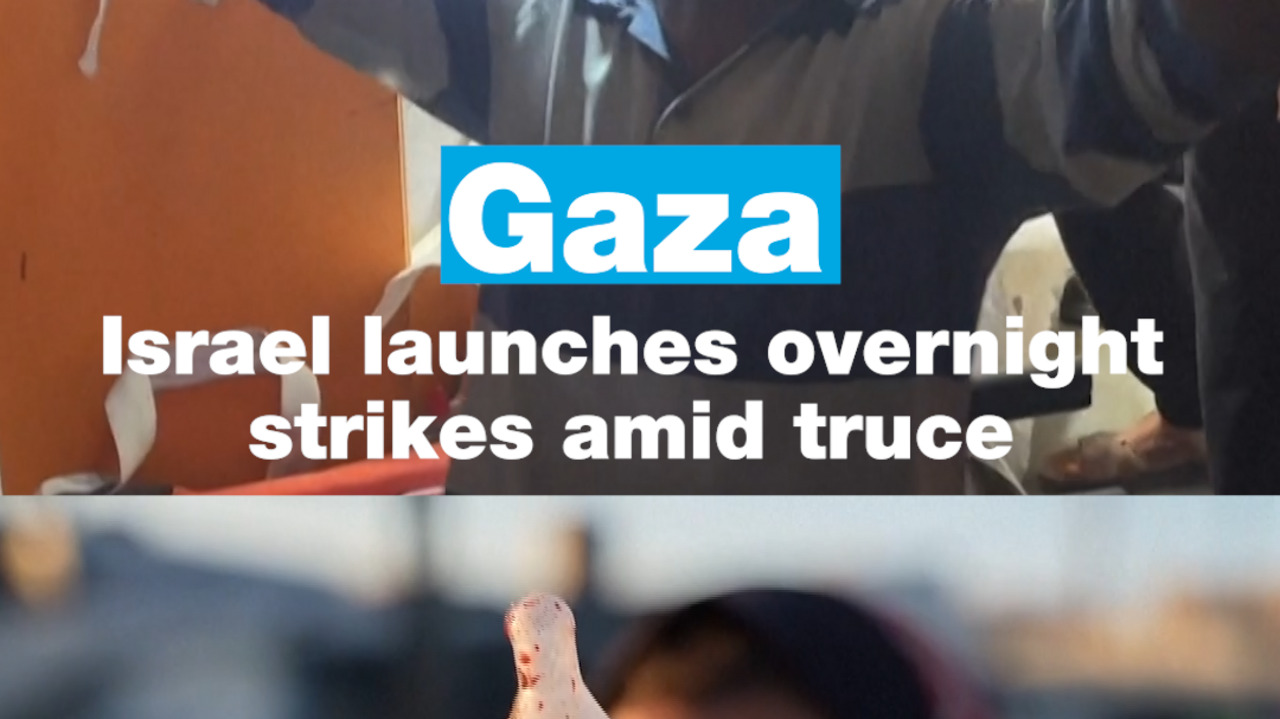
Navigating the Fragile Ceasefire in Gaza: Understanding the recent escalation
Recent reports detail a concerning resurgence of violence in Gaza, threatening the already precarious ceasefire. Overnight airstrikes conducted by Israel’s military resulted in a devastating loss of life, with local health officials reporting 104 fatalities, including a tragically high number of children – 46 in total. This escalation represents the most significant challenge to the truce established on October 10th, raising critical questions about its future and the humanitarian situation on the ground. Understanding the complexities of this conflict and the factors jeopardizing peace is crucial for anyone seeking to grasp the ongoing crisis.
The current State of the Gaza Ceasefire
the recent strikes, described as the deadliest as the ceasefire began, underscore the fragility of the agreement. while the military has stated the ceasefire is “back on,” the intensity of the response and the significant civilian casualties cast a long shadow. This raises immediate concerns about potential retaliatory actions and a further escalation of hostilities. you might be wondering what prompted this renewed offensive.
Reports suggest the strikes were a response to perceived violations of the ceasefire by Hamas, though specific details remain contested. This cycle of action and reaction is a hallmark of the Israeli-Palestinian conflict, making sustained peace incredibly challenging to achieve.
Humanitarian Impact and Ongoing concerns
The humanitarian situation in Gaza was already dire before this latest escalation. According to the United nations Relief and Works Agency for Palestine Refugees (UNRWA), over 1.7 million people – roughly 75% of the population – are in need of humanitarian assistance. https://www.unrwa.org/ The recent airstrikes have only exacerbated this crisis, damaging critical infrastructure and displacing countless families.
Access to essential resources like clean water, food, and medical care remains severely limited. The psychological toll on civilians, particularly children, is immense. Furthermore, the ongoing restrictions on movement in and out of Gaza continue to hinder the delivery of aid and impede economic recovery.
Factors Contributing to the Instability
Several factors contribute to the ongoing instability in the region. These include:
* Political Deadlock: The lack of meaningful progress in peace negotiations between Israel and Palestinian representatives remains a core issue.
* Hamas’s Role: The actions and policies of Hamas,the governing body of Gaza,significantly influence the security situation.
* Regional Tensions: Broader geopolitical dynamics in the Middle East, including the involvement of external actors, play a role in escalating or de-escalating the conflict.
* Settlement Expansion: Continued Israeli settlement expansion in the West Bank fuels Palestinian resentment and undermines the possibility of a two-state solution.
* Economic Hardship: widespread poverty and unemployment in Gaza create a breeding ground for frustration and radicalization.
What Can be done to Strengthen the Ceasefire?
Strengthening the ceasefire requires a multifaceted approach. Here are some actionable steps:
- International Mediation: Increased diplomatic efforts by international actors, such as the United States, Egypt, and qatar, are essential to facilitate dialog between Israel and Hamas.
- Humanitarian Aid: A significant increase in humanitarian aid to Gaza is needed to address the immediate needs of the population.
- Confidence-Building Measures: Implementing confidence-building measures, such as easing restrictions on movement and releasing prisoners, can help rebuild trust between the parties.
- Long-Term Political Solution: Ultimately, a lasting peace requires a thorough political solution that addresses the root causes of the conflict and guarantees the rights and security of both Israelis and Palestinians.
- Monitoring Mechanisms: Establishing robust monitoring mechanisms to ensure compliance with the ceasefire terms is vital.
Understanding the Terminology: A Glossary
To help you navigate the complex language surrounding this conflict, here’s a fast glossary:
* Ceasefire: A temporary suspension of fighting by agreement of the warring parties.
* Hamas: A Palestinian Sunni-Islamist fundamentalist association.
Keep reading