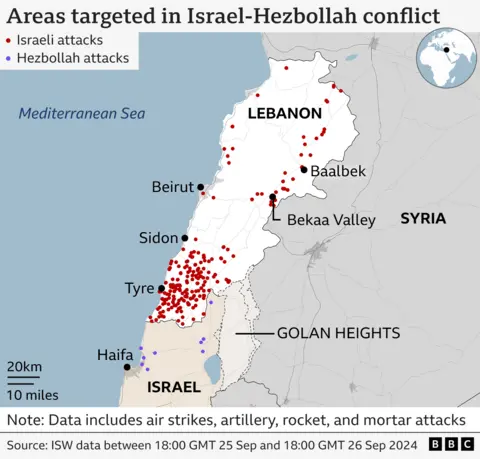
Hezbollah launched two rockets from southern Lebanon into northern Israel on April 24, 2025, according to the Israel Defense Forces (IDF). The projectiles landed in open areas without causing casualties or damage, the military confirmed in a statement. This marked the first cross-border rocket fire from Hezbollah since the ceasefire agreement took effect on November 27, 2024, ending over a year of hostilities between Israel and the Iran-backed militant group.
The IDF responded with artillery strikes targeting the launch sites in Lebanon’s south, stating the action was taken to deter further violations. Lebanese officials have not issued an official comment on the incident as of April 25, 2025. The rocket fire drew immediate condemnation from Israeli authorities, who characterized it as a blatant breach of the truce designed to stabilize the region after months of intense fighting.
The ceasefire, brokered by the United States and France, required Hezbollah to withdraw its forces north of the Litani River and dismantle military infrastructure in southern Lebanon. In return, Israel agreed to cease offensive operations and gradually withdraw its troops from occupied Lebanese territory. Both sides had largely adhered to the terms for several months, though tensions remained high due to sporadic allegations of violations from each party.
Israeli Prime Minister Benjamin Netanyahu convened an urgent security consultation following the rocket fire, according to his office. Defense Minister Israel Katz warned that any repetition of such attacks would provoke a stronger military response. Hezbollah has not claimed responsibility for the launch, and no representative from the group has publicly addressed the incident through official channels.
The United Nations Interim Force in Lebanon (UNIFIL) reported increased patrols along the Blue Line—the UN-demarcated border between Israel and Lebanon—after the rocket fire. UNIFIL stated it is coordinating with both the Lebanese Armed Forces and the IDF to de-escalate the situation and investigate the origin of the projectiles. The peacekeeping mission emphasized its commitment to maintaining stability along the frontier.
Analysts note that internal pressures within Hezbollah, including public frustration over Lebanon’s economic collapse and political paralysis, may be influencing hardline factions to test the boundaries of the ceasefire. Meanwhile, Israel faces domestic scrutiny over its handling of security in the north, particularly regarding the return of displaced residents to communities near the border.
As of April 25, 2025, no further rocket fire has been reported, and diplomatic channels remain active to prevent escalation. Both the U.S. State Department and the French Ministry of Foreign Affairs have urged restraint and reaffirmed their support for the ceasefire framework. The next scheduled review of the truce mechanism is set for May 15, 2025, under the auspices of the International Consortium for Lebanese Stabilization.
Readers seeking official updates can consult the IDF’s Hebrew and English-language spokesperson unit releases, UNIFIL’s daily situation reports, and statements from the Lebanese Ministry of National Defense. For broader context on the ceasefire terms, the full text of the agreement is available through the U.S. Department of State’s archive of Middle East accords.
We encourage thoughtful discussion in the comments below and invite you to share this article to help others stay informed about developments in this critical region.