
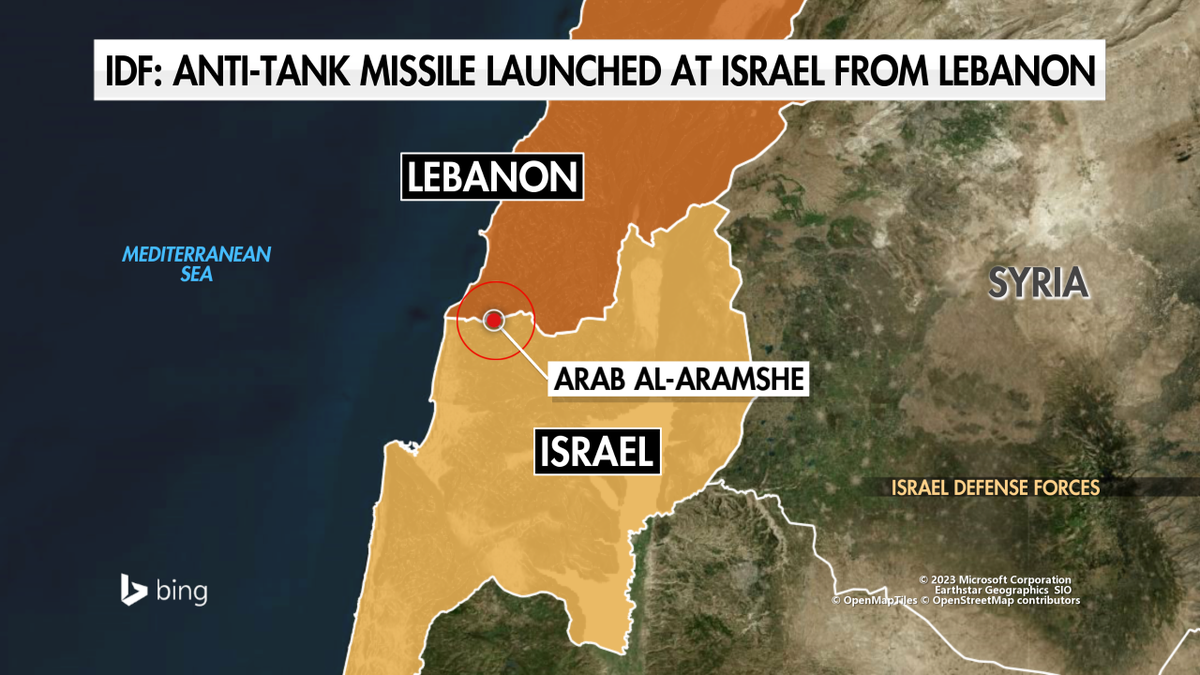
The landscape of the Levant has once again been scarred by an escalation of violence that threatens to pull the entire region into a broader systemic collapse. In a series of devastating strikes on April 8, 2026, Israeli military operations in Lebanon resulted in the deaths of at least 203 people and left more than 1,000 others wounded, according to Lebanon’s health ministry AP News. The strikes, which hit densely packed commercial and residential areas in Beirut during rush hour, have reignited international alarm over the humanitarian cost of the Israel-Hezbollah conflict.
This latest surge in combat is not an isolated incident but the culmination of a volatile geopolitical cycle. The current hostilities intensified following events on March 2, 2026, when Hezbollah launched missiles toward Israel two days after coordinated attacks by Israel and the United States against Iran AP News. As the death toll rises and civilian infrastructure in Beirut crumbles, the United Nations faces mounting pressure to broker a sustainable peace in a region where ceasefire agreements have historically been fragile and short-lived.
For those of us tracking these shifts from Sofia, the pattern is painfully familiar: a proxy struggle where local combatants are inextricably linked to larger regional powers. The current violence is deeply intertwined with the internal stability of Iran, specifically following the death of Iranian Supreme Leader Ayatollah Ali Khamenei. On April 9, 2026, ceremonies marking the 40th day since Khamenei’s passing were held in Tehran, coinciding with continued Israeli artillery fire toward southern Lebanon and smoke rising over the Lebanese capital AP News.
The Anatomy of Escalation: From Proxy War to Open Conflict
To understand why the Israel-Hezbollah conflict has reached this fever pitch in 2026, one must look at the group’s foundational ideology. Hezbollah, a Shia Muslim political and military organization, emerged from militias formed to resist the 1982 Israeli invasion of southern Lebanon BBC. Officially announcing its existence in 1985, the group has consistently called for an Islamic government in Lebanon and has maintained that its confrontation with Israel should only end when the state is “removed from existence” BBC.
The current war is a continuation of a cycle that escalated sharply in October 2023. Following the start of the Gaza war, Hezbollah began firing rockets over the frontier in solidarity with Hamas BBC. By September 2024, Israel transitioned to a campaign of wide-ranging air strikes and a ground invasion of southern Lebanon, citing the need to ensure that tens of thousands of displaced Israeli civilians could safely return to their homes BBC.
The humanitarian fallout of that 2024 offensive was staggering. By November 2024, the conflict had killed approximately 4,000 people in Lebanon, including many civilians, while Israel reported 45 civilian and 75 soldier fatalities BBC. More than one million people in Lebanon have been displaced since October 8, 2023 BBC, creating a refugee crisis that continues to strain the Lebanese state’s limited resources.
The Failure of the 2025 Ceasefire
There was a moment of cautious optimism in late 2024. A ceasefire agreement announced on November 27 required both Israeli forces and Hezbollah to withdraw from southern Lebanon BBC. However, the implementation was plagued by delays. The initial withdrawal deadline of January 26 was extended to February 18, 2025 BBC, but the underlying geopolitical tensions—specifically the Iran-Israel proxy conflict—rendered the truce temporary at best.
The fragile peace collapsed as the broader “Iran war prelude” intensified. Recent records indicate a series of high-stakes strikes, including Iranian attacks on the Weizmann Institute of Science, U.S. Strikes on Iranian nuclear sites, and Israeli strikes on Evin prison Wikipedia. These events transformed the Lebanese border from a point of friction into a primary theater of a larger regional war.
Humanitarian Impact and the UN’s Dilemma
The strikes on April 8, 2026, highlight the devastating reality for civilians caught in the crossfire. When airstrikes hit residential and commercial zones during rush hour, the resulting casualties are not merely collateral damage but a symptom of the urban nature of the modern Israel-Hezbollah conflict AP News. The death of 203 people in a single day underscores the urgency for a diplomatic intervention that can move beyond temporary ceasefires.

The United Nations finds itself in a precarious position. While tasked with maintaining international peace and security, the UN’s influence is often neutralized by the veto power of permanent Security Council members and the refusal of belligerents to adhere to international humanitarian law. The pressure on the UN is not just about stopping the current shelling in Beirut, but about addressing the displacement of over a million Lebanese citizens and the systemic destruction of southern Lebanon’s infrastructure BBC.
| Date | Key Event | Impact/Outcome |
|---|---|---|
| October 2023 | Hezbollah launches rockets | Start of frontier conflict in solidarity with Hamas BBC |
| September 2024 | Israeli ground invasion of S. Lebanon | ~4,000 killed in Lebanon; >1M displaced BBC |
| November 27, 2024 | Ceasefire announced | Required mutual withdrawal from southern Lebanon BBC |
| March 2, 2026 | Hezbollah missile launches | Response to US/Israel attacks on Iran AP News |
| April 8, 2026 | Massive Israeli strikes in Beirut | 203 dead; 1,000+ wounded AP News |
What This Means for Regional Stability
The current state of the Israel-Hezbollah conflict suggests that the “rules of engagement” that governed the border for years have been entirely discarded. By striking the heart of Beirut and targeting sites linked to the Iranian leadership’s legacy, Israel is signaling a shift toward a strategy of total degradation of Hezbollah’s capabilities. Conversely, Hezbollah’s willingness to launch missiles in response to attacks on Iran demonstrates that it remains the primary kinetic arm of Tehran’s regional strategy.
Who is most affected? Beyond the immediate casualties, the Lebanese state is facing an existential crisis. With a million people displaced and the capital under fire, the ability of the government to provide basic services is non-existent. For the global community, this conflict serves as a warning of how quickly a localized border dispute can evolve into a regional war when fueled by proxy ambitions and ideological rigidity.
The international community now watches to see if the death of Ayatollah Ali Khamenei will lead to a strategic pivot in Tehran or a more aggressive “martyrdom” posture from its allies. As of April 13, 2026, the situation remains fluid, with Israeli artillery continuing to fire and the UN struggling to locate a diplomatic opening.
The next critical checkpoint will be the upcoming reports from the UN on humanitarian access to southern Lebanon and any potential diplomatic outreach from the new Iranian leadership to stabilize the proxy fronts. We will continue to monitor these developments closely.
Do you believe a sustainable ceasefire is possible without a broader agreement between Iran and the West? Share your thoughts in the comments below or share this report to keep the conversation going.