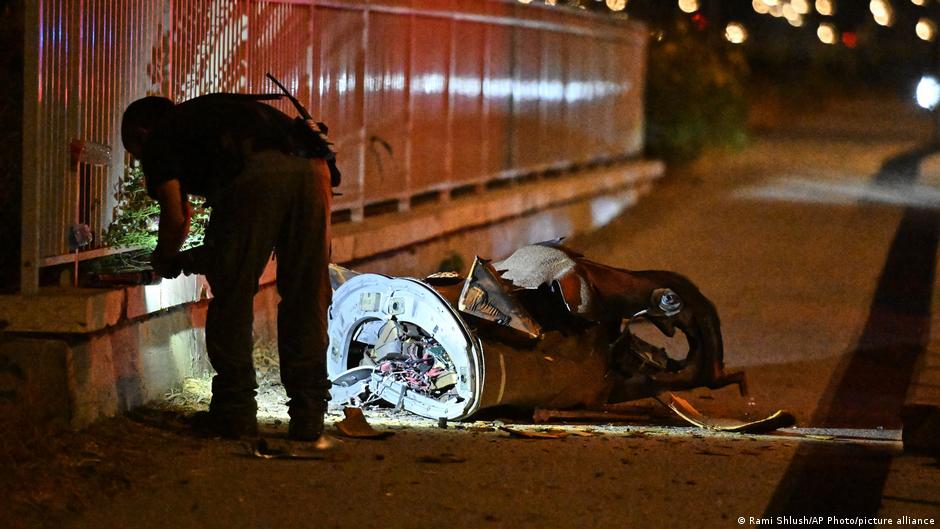
Iran has declared an end to its military operations against Israel following a wave of reciprocal missile strikes that has heightened fears of a broader conflict in the Middle East. The announcement, confirmed on Monday, June 8, 2026, marks a significant development in the most serious confrontation between the two nations since a ceasefire was established in April. As of this morning, Israel has not yet responded to the announcement, leaving the region in a state of high tension.
The escalation began after Israel conducted strikes in Lebanon, targeting the capital, Beirut. In response, Iran launched multiple waves of attacks, with the Israeli military reporting that approximately 30 missiles were fired at Israel this morning. While the majority of these projectiles were intercepted, the exchange represents a dangerous departure from the relative stability maintained since the spring. For a detailed breakdown of the regional security situation, readers can monitor updates via NBC News.
International Calls for De-escalation
Following the exchange of fire, U.S. President Donald Trump publicly urged both Israel and Iran to “immediately stop shooting.” Speaking on the matter, the President noted that both nations were looking toward an immediate ceasefire. He further emphasized that final negotiations regarding peace are currently underway, though he cautioned that the process remains subject to potential obstruction.
The diplomatic focus has now shifted toward preventing further military action. President Trump has explicitly stated his intention to urge Israeli Prime Minister Benjamin Netanyahu to refrain from further retaliation, asserting that his administration is actively managing the situation. Despite these calls for restraint, the situation on the ground remains volatile. According to reports from DW, the Iranian military has warned that “much more severe and crushing measures than before will follow” should Israel or its allies engage in further aggression.
Context of the Current Escalation
The recent hostilities have raised urgent questions regarding the stability of the April ceasefire. Tensions had been simmering for weeks, exacerbated by ongoing friction in Lebanon. Lebanese Prime Minister Nawaf Salam has alleged that Israel has breached the terms of the fragile, U.S.-brokered ceasefire on approximately 3,500 occasions, citing a series of air strikes and controlled explosions. These claims highlight the difficulty of maintaining a durable peace in a theater defined by shifting alliances and competing security objectives.
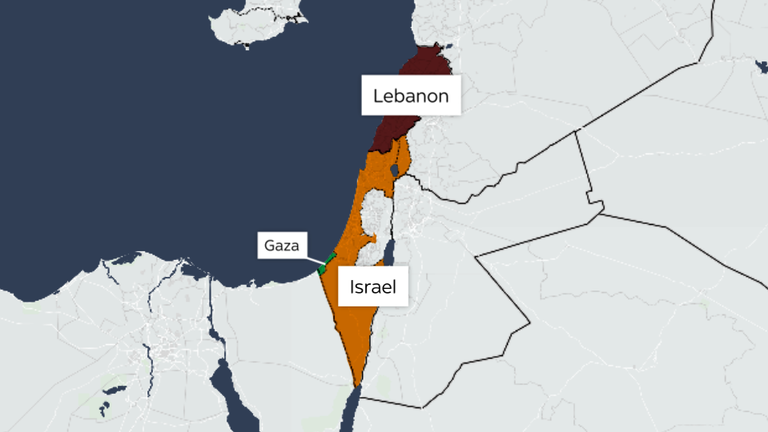
The potential for a wider conflict extends beyond the immediate Israel-Iran dynamic. Reports indicate that Iran-backed Houthi forces have issued threats to target ships linked to Israel in the Red Sea, adding a maritime dimension to an already complex geopolitical landscape. Meanwhile, the European Union’s senior diplomatic leadership has called on all involved parties to return to the negotiating table to prevent a total collapse of regional security.
What Happens Next
The immediate outlook depends on whether Israel chooses to accept the Iranian declaration of a halt in operations or proceeds with further counter-strikes. President Trump has signaled that the United States and Iran were “very close” to a deal that would include the reopening of the Strait of Hormuz, though specific points of contention remain under negotiation.

The situation remains fluid as military and diplomatic observers monitor for any signs of movement on the ground. We will continue to track official statements from the involved governments and international mediators as they emerge. For those following the developments closely, official government press releases and statements from the United Nations remain the primary sources for verified changes in status. We invite our readers to share their perspectives on these developments in the comments section below.
Worth a look