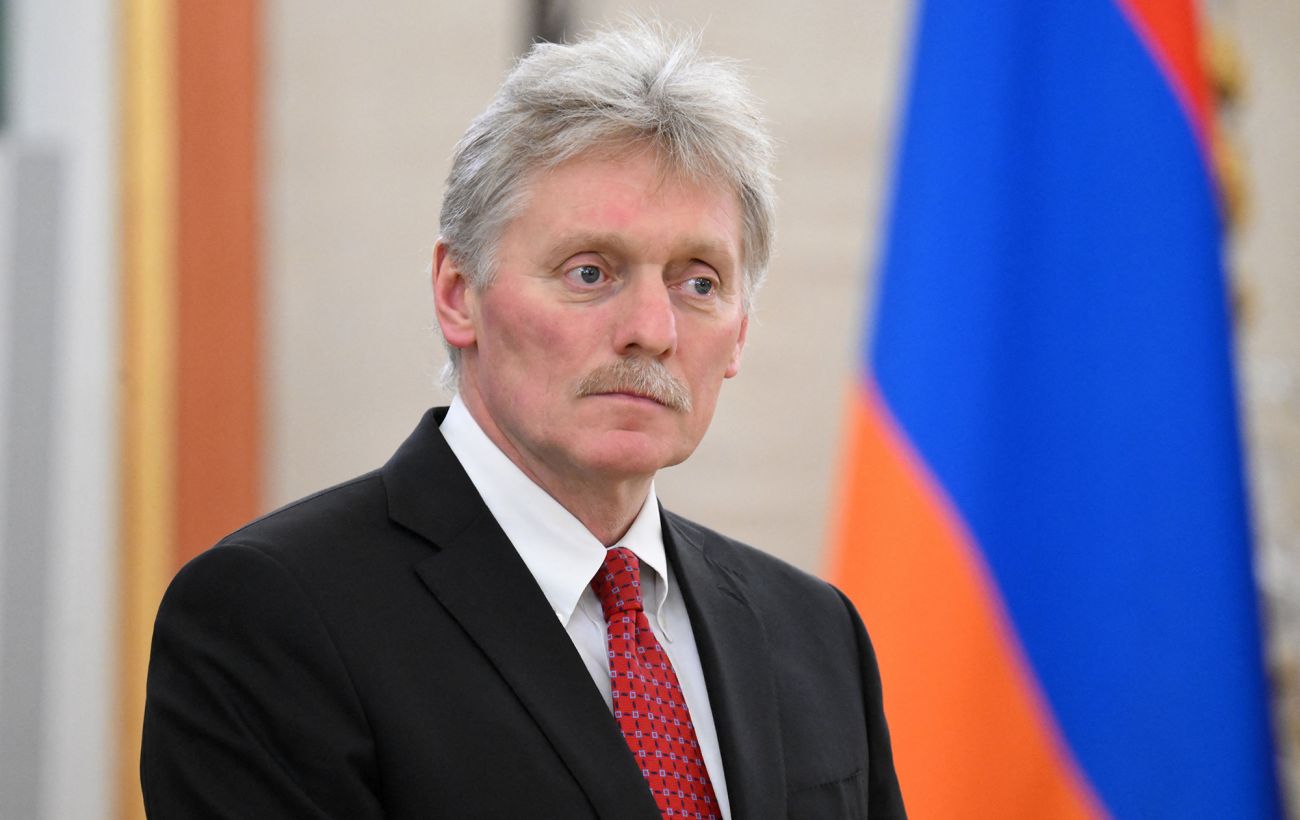
Russian President Vladimir Putin has formally rejected the European Union’s role as a mediator in the ongoing conflict in Ukraine, asserting that countries providing military assistance to Kyiv cannot be considered neutral parties. Speaking to international news representatives on the sidelines of the St. Petersburg International Economic Forum on June 4, 2026, the Russian leader stated that the direct support provided by EU member states effectively disqualifies them from facilitating peace negotiations.
The rejection follows recent reports that Germany, France, and the United Kingdom have been exploring diplomatic initiatives intended to bring both Russian and Ukrainian officials back to the negotiating table. According to officials familiar with these discussions, the three nations have consulted with their Ukrainian counterparts regarding potential frameworks for future talks, a development that prompted the Kremlin’s public dismissal of the bloc’s involvement.
“How can the EU or individual EU countries serve as mediators when they are directly assisting the country with which we are in an armed conflict?” Vladimir Putin asked during the June 4 event, as reported by the Kyiv Post. He maintained that the fundamental requirement for successful mediation is neutrality, a position he argues the EU has abandoned through its continued supply of weaponry to Ukraine.
In this pool photograph distributed by the Russian state agency Sputnik, Russia’s President Vladimir Putin meets with representatives of international news agencies on the sidelines of the St. Petersburg International Economic Forum at the Constantine Palace in Saint Petersburg on June 4, 2026. (Photo by Valery SHARIFULIN / POOL / AFP)
The Kremlin’s Stance on Peace Frameworks
Beyond dismissing European mediation, the Russian leadership has reiterated its preference for alternative diplomatic channels. President Putin explicitly stated his support for a peace framework backed by Donald Trump, though he maintained strict conditions for any potential settlement. These demands include the requirement that Ukraine surrender control over the entirety of the Donetsk region.
The diplomatic standoff coincides with an escalation in rhetoric regarding military capabilities. During his remarks in St. Petersburg, the Russian president warned of the potential for a broader deployment of Russia’s Oreshnik hypersonic missile systems. This threat was issued even as President Volodymyr Zelensky has continued to press for direct, high-level talks to resolve the conflict.
Diplomatic Challenges and Neutrality
The definition of a neutral mediator remains the primary obstacle to the resumption of formal dialogue. While European leaders maintain that their support for Ukraine is a matter of regional security and international law, the Kremlin’s official position treats such support as an act of direct involvement in the armed conflict. This fundamental disagreement has effectively stalled the initiatives currently being explored by Berlin, Paris, and London.

For the international community, the rejection of the European Union as a mediator signals a continued preference by Moscow for bilateral or alternative-led negotiations. As of June 8, 2026, there is no confirmed date for a new round of peace talks, and both sides remain entrenched in their respective conditions for engagement.
The situation remains highly fluid. Observers are now looking to the next scheduled sessions of the United Nations Security Council and upcoming G7 diplomatic briefings for any shifts in the international approach to the mediation deadlock. We will continue to update this coverage as official statements are released by the involved parties.
What are your thoughts on the current state of diplomatic efforts in Ukraine? Join the conversation below and share your perspectives on these developments.
Worth a look