
The landscape of the Middle East remains in a state of fragile flux as a ceasefire agreement between Israel and Hezbollah, brokered through intensive international diplomacy, officially came into effect in late November 2024. This cessation of hostilities, which brought an end to over a year of intensified cross-border fire, marks a pivotal, if precarious, moment for Lebanon and Israel. As the region navigates the initial phases of this de-escalation, the international community is watching closely to see if the terms—centered on the withdrawal of forces and the establishment of security zones—can hold against the volatile realities on the ground.
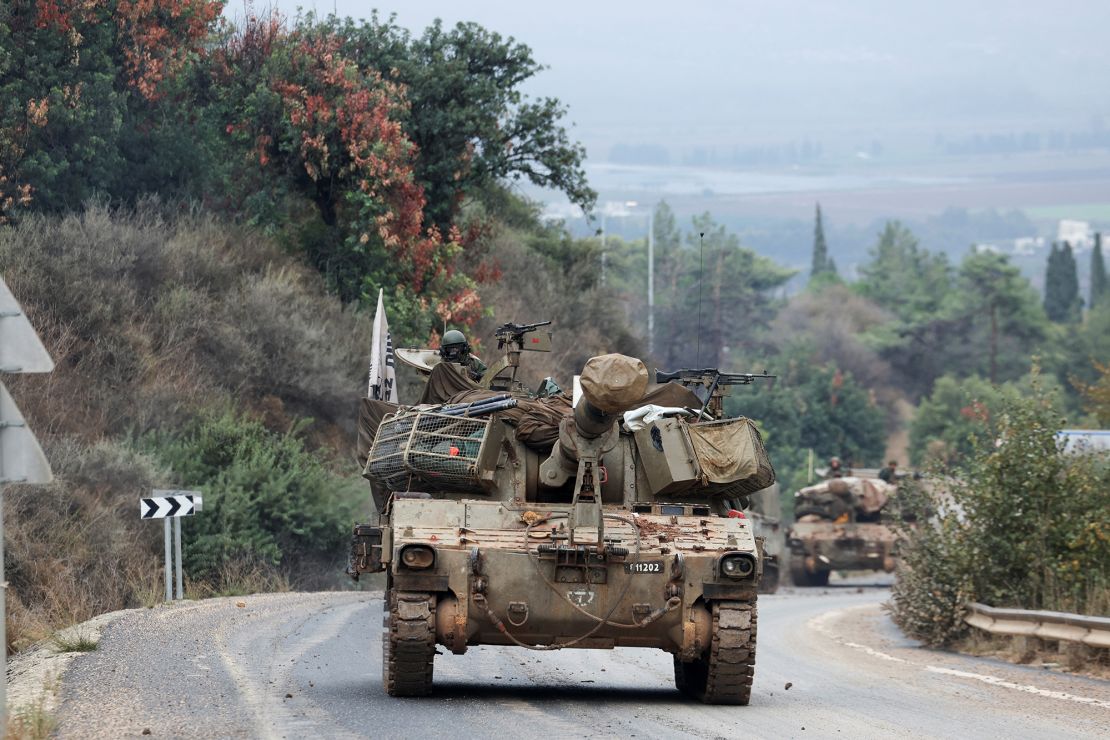
The agreement, which was formally approved by the Israeli security cabinet on November 26, 2024, mandates a gradual withdrawal of Israeli forces from southern Lebanon, with the Lebanese Armed Forces (LAF) and the United Nations Interim Force in Lebanon (UNIFIL) tasked with ensuring that Hezbollah does not re-establish its military infrastructure south of the Litani River. According to official statements from the Israeli government and mediation reports, this arrangement is designed to allow thousands of displaced residents on both sides of the border to return to their homes safely.
The Mechanics of the Ceasefire and Security Oversight
At the heart of the current agreement is a complex monitoring mechanism intended to prevent a return to the status quo ante. The framework relies on a U.S.-led monitoring committee to oversee compliance, aiming to address long-standing security concerns regarding the implementation of United Nations Security Council Resolution 1701. This resolution, which ended the 2006 Lebanon War, has long been a point of contention due to persistent violations by both parties.
The “pilot zone” strategy mentioned in recent diplomatic discourse refers to the phased deployment of the Lebanese military into the southern border regions. The objective is to replace Hezbollah’s entrenched presence with state-sanctioned security forces. However, experts from institutions like the Carnegie Middle East Center have highlighted that the effectiveness of this transition depends entirely on the capacity and political will of the Lebanese state to assert authority in areas that have historically been under the influence of non-state actors.
Geopolitical Implications and Regional Stability
The ceasefire has elicited mixed reactions across the global stage. While many world leaders have welcomed the pause in violence as a necessary step toward humanitarian relief and regional stability, skepticism remains regarding the long-term sustainability of the deal. French diplomatic efforts, led by President Emmanuel Macron’s administration, have been central to these negotiations, emphasizing that any military action within Lebanese territory must respect sovereignty and international law. As noted in reports by the Associated Press, the French government has been vocal about the necessity of a diplomatic solution to avoid a wider regional conflagration.

Market observers have also noted the impact of these developments on global finance. When news of the potential ceasefire first broke, global markets reacted with notable shifts, including fluctuations in the prices of gold and silver as investors recalibrated their risk assessments regarding the Middle East. This volatility underscores how deeply interconnected the regional security situation is with the global economy, as traders continue to monitor the fluctuations in commodity prices in response to geopolitical headlines.
Key Challenges to Durability
Despite the cessation of active strikes, the path to lasting peace is fraught with structural obstacles. The primary concern among analysts is the potential for “mission creep” or the failure of the monitoring committee to effectively curb illicit weapons transfers. The history of the region suggests that ceasefires are often viewed as tactical pauses rather than permanent resolutions.
the humanitarian situation in southern Lebanon remains dire. Extensive damage to infrastructure and the presence of unexploded ordnance pose significant risks to returning civilians. International aid organizations, including those working under the United Nations framework, are currently prioritizing the assessment of residential areas to ensure basic services can be restored before a large-scale return of the displaced population can be safely facilitated.
Looking Ahead: What Comes Next?
As we move into the coming weeks, the focus will shift from the diplomatic text of the agreement to its practical implementation. The next major checkpoint will involve the scheduled reports from the U.S.-led monitoring committee regarding the progress of the Israeli military withdrawal and the deployment of the Lebanese Army. These updates will serve as a barometer for the viability of the entire arrangement.
For those following this developing story, we encourage you to stay informed through official updates from the UNIFIL official website and verified reporting from established international news agencies. The situation is evolving, and the nuances of the security arrangements will likely be tested by incidents on the ground. We invite our readers to share their perspectives on the diplomatic challenges ahead in the comments section below, and to follow our coverage as we continue to track the developments in this critical region.
Maria Petrova is the Editor of the World section at World Today Journal. With over 14 years of experience in international reporting, she specializes in the intersection of geopolitics and human rights.