
As the humanitarian crisis in Lebanon intensifies, thousands of civilians are once again fleeing their homes, with many families forced to seek shelter in their vehicles as cross-border hostilities escalate. The current surge in displacement follows a series of intense airstrikes across southern Lebanon and parts of the Beirut periphery, leaving thousands in a state of precarious uncertainty. According to the United Nations High Commissioner for Refugees (UNHCR), the displacement crisis has reached critical levels, with infrastructure damage and ongoing security threats making it increasingly difficult for humanitarian agencies to reach those in need.
The intensifying conflict between Israel and Hezbollah has shifted the regional security landscape, transforming southern Lebanon and the southern suburbs of Beirut into focal points of military engagement. The situation remains fluid, characterized by a cycle of rocket fire and retaliatory airstrikes that have significantly altered the daily lives of Lebanese citizens. As of late 2024, the International Organization for Migration (IOM) reports that over 200,000 individuals have been internally displaced within Lebanon due to the recent escalation in violence.
The Human Cost of Escalating Hostilities
For many residents, the decision to leave is made in an instant. Families from villages in the south and neighborhoods in Dahiyeh, a southern suburb of Beirut, describe a reality of “sleeping in cars” or congregating in makeshift shelters as they wait for the security situation to stabilize. The psychological toll of living under constant aerial surveillance and the sound of incoming fire has created a climate of fear that extends far beyond the immediate blast zones.

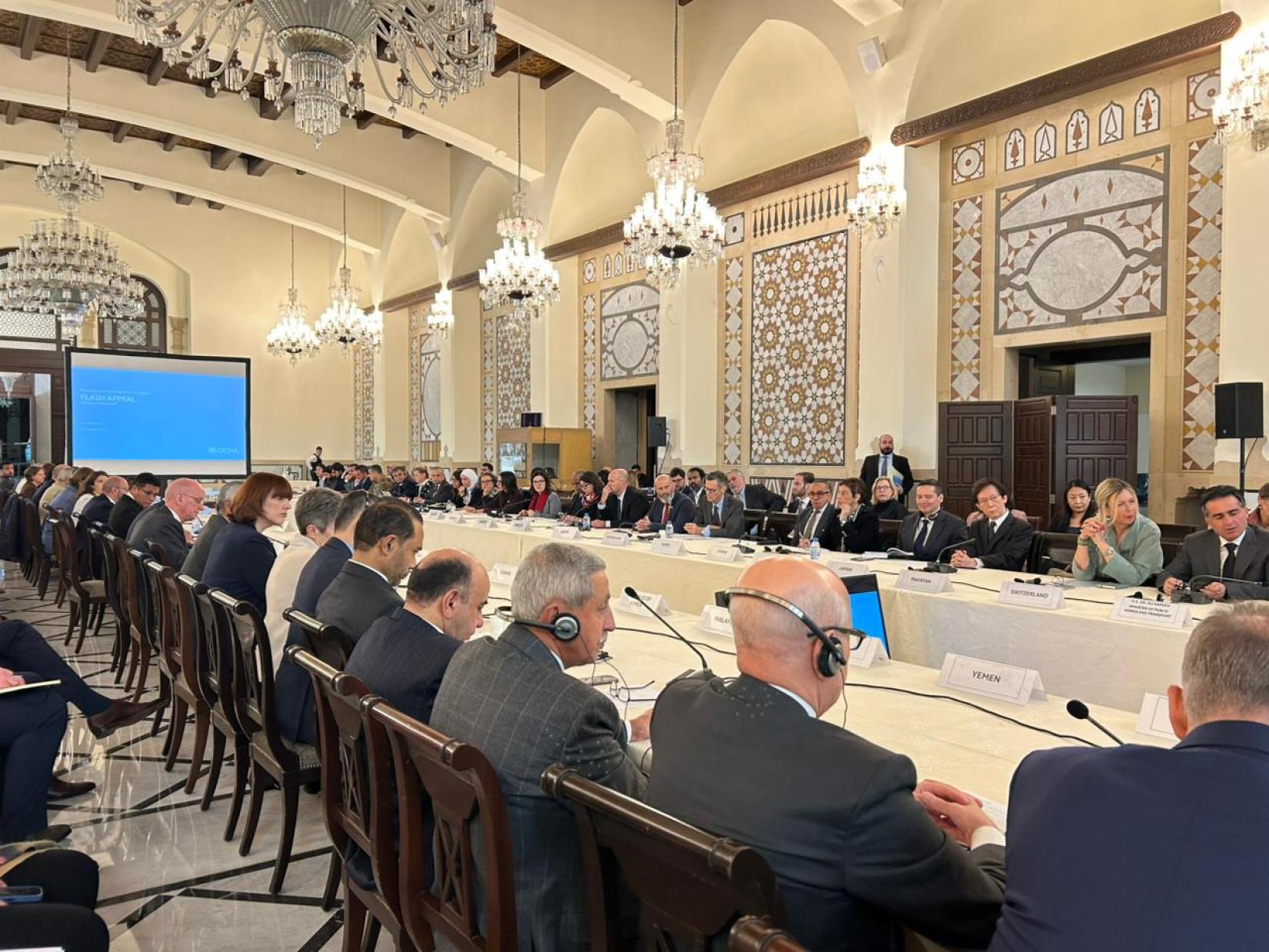
The humanitarian response is currently struggling to keep pace with the influx of people moving toward safer regions, such as Mount Lebanon and Beirut city center. The UN Office for the Coordination of Humanitarian Affairs (OCHA) has noted that schools and public facilities are being repurposed as temporary shelters, but these locations are already reaching maximum capacity. Authorities in these regions are urging international donors to increase funding for basic essentials, including potable water, hygiene kits, and medical supplies, which are becoming scarce.
Military Engagements and Reported Casualties
The military landscape has seen a notable increase in the intensity of strikes. Recent events include reports of targeted airstrikes in the southern suburbs of Beirut, an area that has experienced significant structural damage. While official casualty figures are updated daily by the Lebanese Ministry of Public Health, the verification of these numbers remains a complex task due to the ongoing nature of the conflict and the difficulty of reaching affected areas.
In a separate development, the Israel Defense Forces (IDF) recently acknowledged the death of soldiers in the region, citing “operational accidents” during combat maneuvers. Such incidents highlight the chaotic nature of the current theater of operations, where ground-level miscommunications can occur in high-stress environments. The IDF official portal provides ongoing updates regarding military casualties and operational status, though independent verification of individual incidents is often limited by the fog of war.
Why the Situation Remains Volatile
The current volatility in Lebanon is inextricably linked to the broader regional conflict, with Hezbollah maintaining a significant military presence in the south. Analysts observe that the current “game of escalation” is testing the limits of international diplomatic efforts aimed at implementing UN Security Council Resolution 1701. This resolution, which ended the 2006 Lebanon War, mandates that the area between the Blue Line and the Litani River remain free of any armed personnel other than the Lebanese government and UN peacekeeping forces (UNIFIL).

According to the UNIFIL mandate, the peacekeeping mission is tasked with assisting the Lebanese Armed Forces in maintaining the area as a zone free of unauthorized weapons. However, the current reality on the ground shows a stark departure from these goals. The persistent exchange of fire suggests that neither party is currently willing to de-escalate, leading to a stalemate that disproportionately impacts the civilian population.
What Happens Next
The coming weeks will likely be defined by diplomatic pressure from international mediators, including the United States, France, and various regional stakeholders, who are working to prevent a full-scale regional war. For the average Lebanese citizen, the immediate future holds more uncertainty. Residents are advised to monitor updates from local authorities and international organizations regarding safe travel routes and shelter locations.

Humanitarian agencies continue to appeal for a ceasefire, emphasizing that the current displacement is unsustainable. As the winter months approach, the lack of permanent housing for those sleeping in cars or tents will become a life-threatening issue. Further updates from the World Health Organization (WHO) regarding the status of the Lebanese healthcare system are expected as the strain on hospitals and clinics continues to mount due to the influx of trauma patients.
We will continue to track these developments as they unfold. Readers are encouraged to share this article to ensure the humanitarian needs of those displaced are kept in the public eye. If you have information regarding local relief efforts or verified updates from your region, please join the conversation in the comments section below.