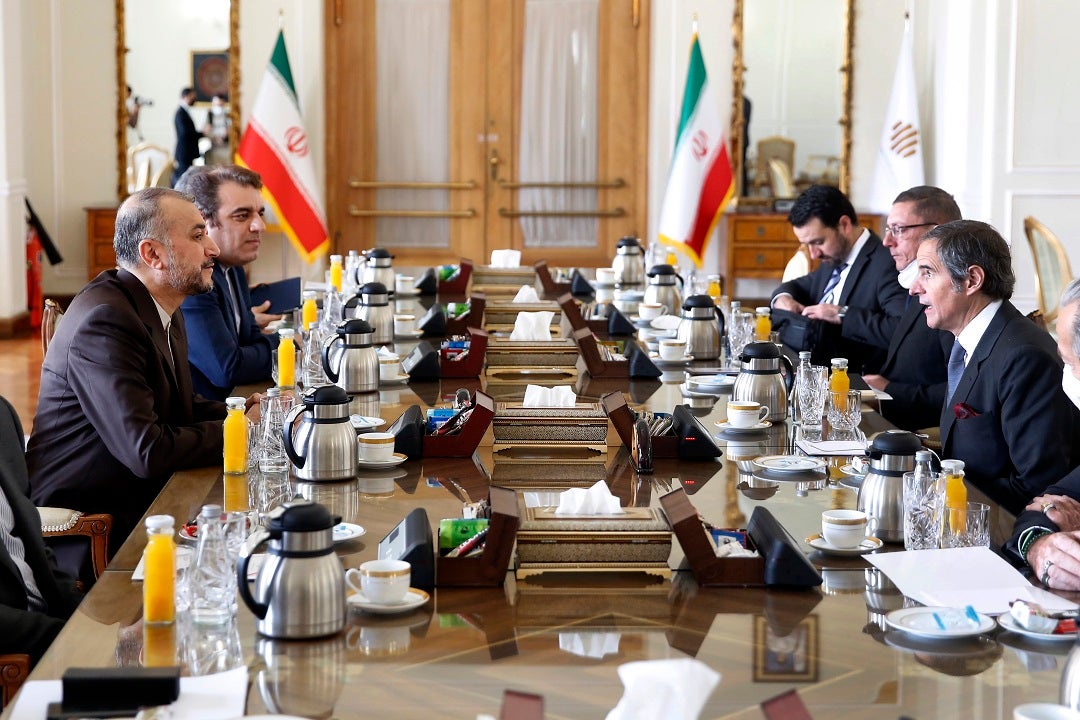
The United States State Department has indicated a significant shift in diplomatic efforts to stabilize the Levant, announcing that upcoming Israel-Lebanon direct talks are expected to be both open and direct. This development signals a move toward more transparent communication between the two nations, aiming to break a long-standing cycle of indirect mediation and regional tension.
The push for direct engagement comes as the international community seeks a durable solution to the ongoing hostilities. According to the Lebanese Presidency, diplomats from both Israel and Lebanon held preliminary discussions this past Friday, establishing the groundwork for a high-level encounter. These officials are scheduled to meet Tuesday in Washington under U.S. Sponsorship to negotiate terms of a potential ceasefire and border arrangement.
For the residents of Lebanon, these negotiations represent more than just a diplomatic exercise. There is a growing sentiment among the Lebanese public to give these mediated efforts a genuine chance, driven by the exhaustion of repeated conflicts and the urgent need for national recovery. However, the path to a formal agreement remains fraught with complex security demands and sovereignty concerns that must be reconciled in the American capital.
The Washington Summit: Objectives and Framework
The scheduled meeting in Washington is designed to move beyond the “shuttle diplomacy” that has characterized previous attempts at peace. By facilitating Israel-Lebanon direct talks, the U.S. Administration aims to reduce the risk of miscommunication and allow both parties to address their core security requirements face-to-face.

Reports indicate that the primary agenda for these discussions will center on border security and the preservation of Lebanese sovereignty. The goal is to establish a framework that prevents future escalations while ensuring that neither side feels its territorial integrity is compromised. The U.S. State Department’s emphasis on “open” talks suggests a willingness to address sensitive issues that were previously avoided in indirect channels.
The timing of the summit is critical. Regional tensions remain high, and the success of these negotiations depends on whether both Beirut and Jerusalem are prepared to make the necessary concessions to secure a long-term cessation of hostilities.
Strategic Hurdles: Security and Sovereignty
While the diplomatic framework is in place, several contentious issues threaten to complicate the proceedings. A significant point of friction is the nature of security enforcement along the border. Some reports, including those from Israeli media outlet Channel 14, suggest that Israel may propose a plan involving a limited military presence within Lebanese territory, provided it receives approval from the government in Beirut.
Such a proposal would likely face intense scrutiny in Lebanon, where sovereignty is a non-negotiable pillar of national identity. The challenge for U.S. Mediators will be to find a security mechanism—perhaps involving international monitors or a strengthened Lebanese Armed Forces (LAF)—that satisfies Israel’s security needs without violating Lebanon’s territorial sovereignty.
The stakes are further heightened by the humanitarian situation. Qatar has recently voiced strong condemnation of “brutal” Israeli strikes on Lebanon via official statements, highlighting the urgent need for a diplomatic resolution to prevent further civilian casualties and infrastructure collapse.
Key Areas of Negotiation
- Border Demarcation: Finalizing the exact boundaries to prevent accidental incursions.
- Security Guarantees: Establishing a verified mechanism to ensure no armed groups operate in the designated buffer zones.
- Sovereignty Protections: Ensuring that any security measures do not infringe upon Lebanon’s administrative control of its land.
- Humanitarian Access: Coordinating the delivery of aid and the reconstruction of affected areas.
What This Means for Regional Stability
The transition to direct negotiations is a calculated risk. If successful, it could provide a blueprint for resolving other intractable conflicts in the Middle East. By bringing the parties together in Washington, the U.S. Is positioning itself as the ultimate guarantor of any resulting agreement, providing a layer of political security that indirect talks cannot offer.
However, the broader regional context cannot be ignored. The influence of external actors and the internal political pressures within both the Israeli cabinet and the Lebanese government imply that any agreement reached on Tuesday will need to be robust enough to survive domestic opposition. The “open and direct” nature of these talks is intended to clear the air, but the actual technical details of border security will be where the real battle for peace is fought.
For the global community, a successful outcome would mean a significant reduction in the risk of a full-scale regional war. For the people of Lebanon, it offers a glimmer of hope for a return to normalcy after years of instability and conflict.
Timeline of Recent Diplomatic Activity
| Date/Timeframe | Action | Key Outcome |
|---|---|---|
| Friday | Preliminary Diplomatic Call | Agreement to hold face-to-face talks in Washington. |
| Recent Weeks | U.S. State Department Mediation | Establishment of the “open and direct” framework. |
| Tuesday (Scheduled) | Washington Summit | Direct negotiations on border security and sovereignty. |
The next confirmed checkpoint in this process is the conclusion of the Tuesday meeting in Washington. Following these talks, the U.S. State Department and the Lebanese Presidency are expected to provide updates on whether a framework for a ceasefire has been reached or if further rounds of negotiations are required.
We invite our readers to share their perspectives on these diplomatic developments in the comments section below. Please share this report to keep the global community informed on the path toward regional peace.
Related reading