
In the evolving landscape of modern warfare, the proliferation of unmanned aerial systems (UAS)—commonly referred to as drones—has introduced a profound shift in regional security dynamics. As Israel continues to navigate complex threats from various non-state actors, the question of international military cooperation versus the preservation of sovereign technological autonomy has come to the forefront. Recent reports regarding Israel’s approach to external technical assistance highlight a strategic preference for internal defense development over reliance on foreign expertise when addressing the specific challenges posed by hostile drone incursions.
The Israeli defense establishment, anchored by the capabilities of the Israel Defense Forces (IDF) and the nation’s robust defense technology sector, has consistently prioritized the integration of indigenous systems to counter aerial threats. This approach is rooted in the necessity of maintaining a “technological edge” in a volatile security environment. By developing proprietary solutions, such as the widely recognized Iron Dome and the specialized C-Dome for naval defense, Israel aims to ensure that its military infrastructure remains shielded from external vulnerabilities that could arise from relying on third-party software or hardware architectures.
Understanding the nuances of Israel’s drone defense strategy requires an examination of how the nation balances its diplomatic alliances with the operational requirement for absolute control over its air defense systems. While Israel maintains deep security ties with key allies—most notably the United States, which provides significant military aid—the decision to decline certain forms of external expert assistance regarding specific drone threats is not necessarily a rejection of partnership. Rather, it reflects a calculated effort to maintain operational security and refine proprietary algorithms that are critical to identifying and neutralizing low-altitude, small-signature aerial threats.
The Evolution of Drone Warfare in the Middle East
The tactical utilization of drones by militant groups, including Hezbollah and various regional proxies, has moved beyond simple surveillance to sophisticated, multi-vector attack profiles. These groups have increasingly adopted “swarm” tactics and low-altitude flight paths designed to saturate traditional radar systems. According to the Center for Strategic and International Studies (CSIS), the democratization of drone technology has allowed non-state actors to bypass traditional air defense gaps, forcing nations to rapidly iterate their detection and interception capabilities.

For Israel, the urgency of this challenge was underscored by the events of October 7, 2023, and the subsequent escalation of hostilities along the northern border. The IDF has reported a significant uptick in attempts by hostile entities to infiltrate Israeli airspace using a variety of unmanned platforms, ranging from commercially available hobbyist drones to more advanced, Iranian-supplied systems. The Israel Defense Forces maintain that these threats require a highly integrated, multi-layered response that combines kinetic interception with sophisticated electronic warfare (EW) jamming techniques.
The reliance on proprietary, localized defense systems is a pillar of Israel’s national security doctrine. By keeping the technical specifications of their counter-drone systems within the domestic loop, Israeli engineers and military planners can implement real-time software patches and hardware adjustments without the bureaucratic or security delays inherent in international collaborative programs. This agility is vital when the opposing threat vector is constantly evolving its own operational software.
Strategic Autonomy and Sovereign Defense
When discussions arise regarding “expert help” from international partners, the context often involves the sharing of intelligence, data-processing algorithms, or specialized electronic warfare components. However, for a state like Israel, the integration of foreign “expert code” or hardware into the national air defense grid represents a potential security risk—a “backdoor” vulnerability that could be exploited by adversaries or, in a worst-case scenario, disabled by a foreign power during a period of intense conflict.
The Reuters coverage of regional security developments frequently notes that while the U.S. And other Western allies provide substantial logistical and financial support, the tactical execution of defense operations remains strictly under the purview of the Israeli military command. This separation is intentional. It allows Israel to maintain its “Iron Wall” doctrine, ensuring that the decision-making process for neutralizing a target is entirely internal, rapid, and unencumbered by the constraints of third-party oversight.
the domestic defense industry—comprising giants like Rafael Advanced Defense Systems, Israel Aerospace Industries (IAI), and Elbit Systems—is a central component of the national economy. These companies are not merely contractors; they are integral partners in the nation’s defense research and development. Relying on external experts would not only risk operational security but would also undermine the competitive advantage these firms provide to the Israeli state on the global defense market.
What This Means for Regional Security
The refusal of external assistance in specific technical domains does not imply isolation. Israel continues to share intelligence with regional partners and Western allies regarding the flight patterns, hardware origins, and electronic signatures of drones used by militant groups. This intelligence-sharing is a cornerstone of the broader effort to track the supply chains that enable the proliferation of these weapons.
However, the distinction between intelligence-sharing and operational-integration is critical. By choosing to handle the technical countermeasures independently, Israel is signaling to both its allies and its adversaries that its air defense capabilities are a product of sovereign innovation. This stance is likely to persist as long as the threat environment remains asymmetric and as long as the technological “cat-and-mouse” game between drone operators and defense systems continues to accelerate.
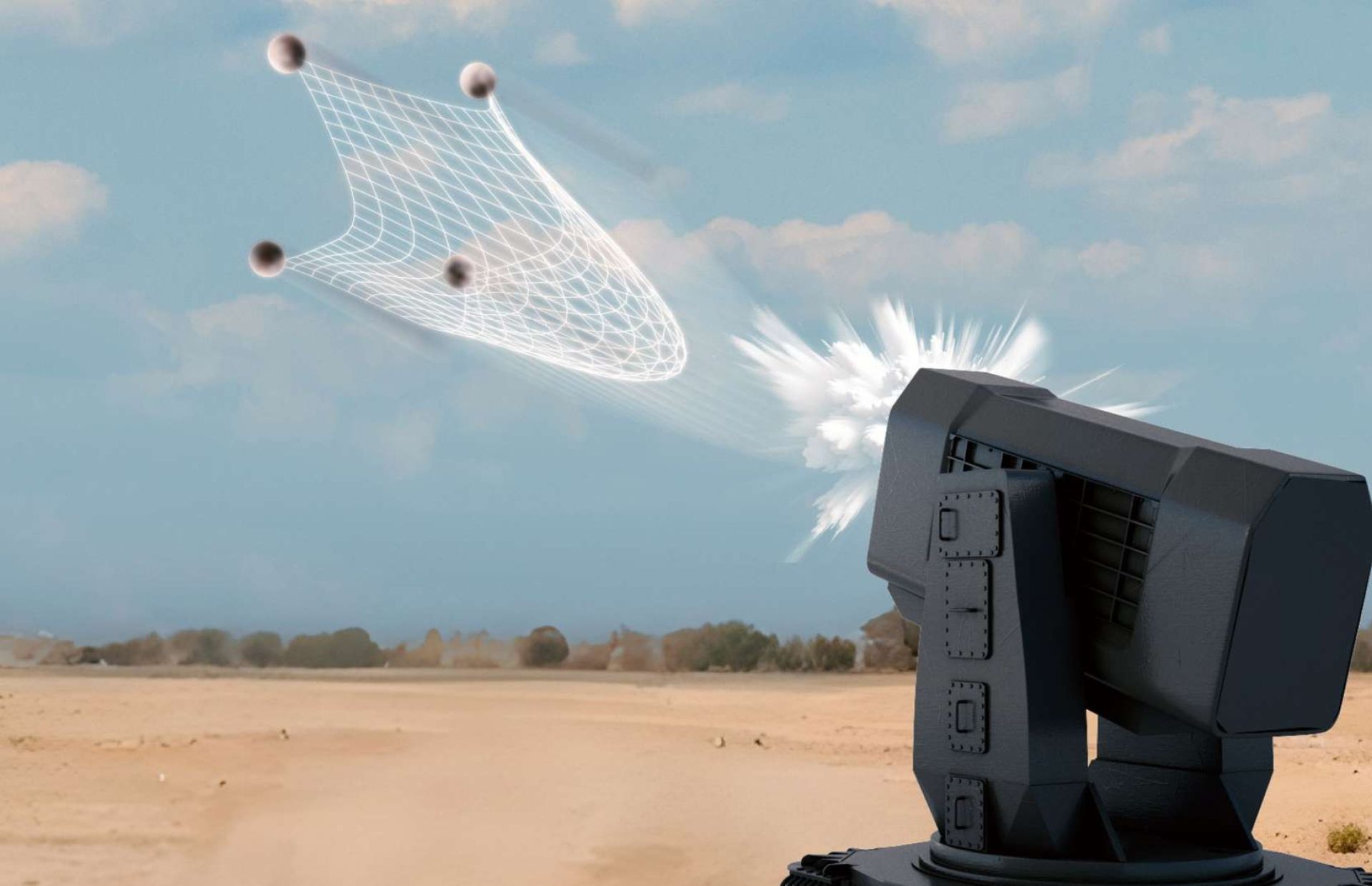
For the average observer, this signifies that the future of air defense in the region will be characterized by increasingly automated, AI-driven systems that are tightly guarded by the nations that deploy them. The “expert help” that Israel often seeks is not in the form of tactical defense, but rather in the form of diplomatic pressure on the state sponsors of these militant groups, primarily aimed at cutting off the supply of the components required to build these drones in the first place.
Key Takeaways on Israel’s Defense Posture
- Sovereign Control: Israel prioritizes the internal development of counter-drone technology to prevent potential security vulnerabilities associated with foreign components.
- Operational Agility: Maintaining proprietary systems allows for rapid, real-time software updates that are crucial when facing evolving drone “swarm” tactics.
- Industrial Strategy: The strength of Israel’s domestic defense sector is a primary driver for its preference for indigenous solutions over international technical outsourcing.
- Strategic Intelligence: While rejecting operational “expert help,” Israel remains deeply engaged in international intelligence-sharing networks to track the supply chains of hostile drone technology.
As the conflict continues to unfold, observers should monitor updates from the Israel Ministry of Defense regarding new investments in directed-energy weapons (such as the “Iron Beam” laser defense system), which represent the next frontier in neutralizing low-cost drone threats. These developments will be the most accurate indicator of how Israel intends to maintain its security without relying on external technical intervention.
We encourage our readers to stay informed through official government statements and verified, high-authority reporting. How do you view the balance between international military cooperation and national technological sovereignty? Share your thoughts in the comments below.
Worth a look