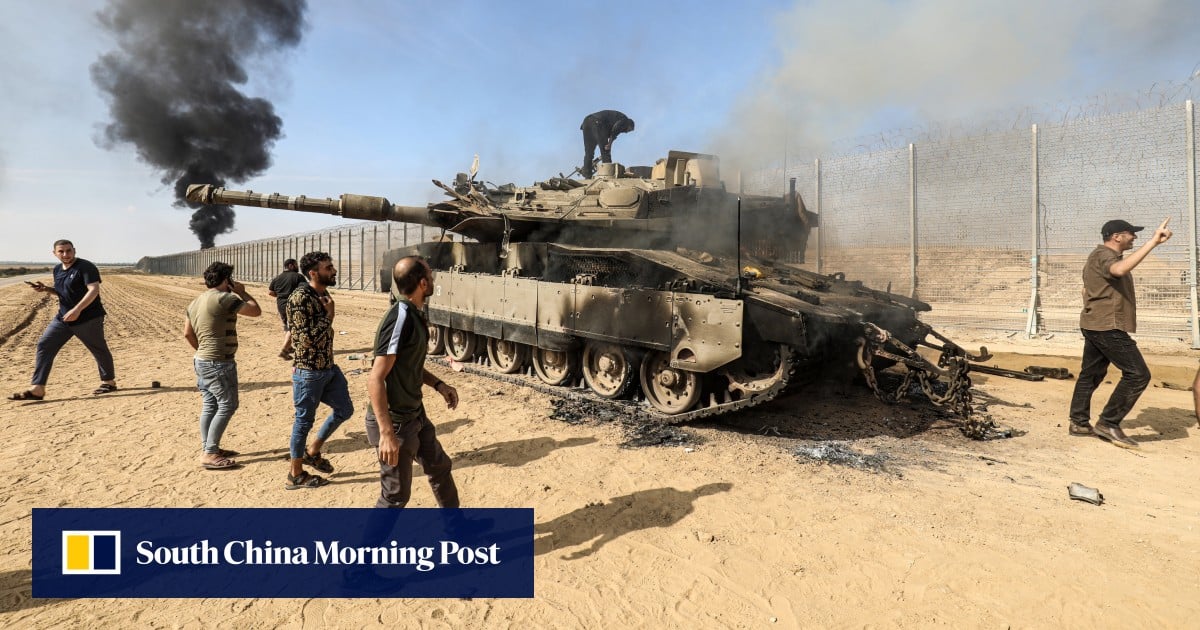
The Fallout from Failure: Examining the Israeli Military’s Response to the October 2023 Hamas Attack
The October 7th, 2023, assault by Hamas remains a pivotal and devastating moment in Israeli history. The sheer scale of the attack – the deadliest in the nation’s existence - triggered a profound reckoning within the Israel Defense Forces (IDF). This article delves into the subsequent fallout, focusing on the recent disciplinary actions taken against high-ranking military officials.Understanding the IDF response to this intelligence and security failure is crucial for assessing future preparedness and maintaining national security. We’ll explore the specifics of the dismissals, the reasons behind them, and what this signifies for the future of Israeli defense strategy.
Did You Know? The October 7th attack saw approximately 2,500 Hamas militants breach the Gaza-Israel barrier, resulting in over 1,200 Israeli deaths and more than 240 hostages taken into gaza.(Source: reuters)
Accountability and Dismissals: Who Was Held Responsible?
The IDF’s declaration on November 24th, 2024, confirmed the dismissal of three generals directly linked to the failures preceding the Hamas attack. These weren’t simply resignations accepted; they were terminations of service stemming from a clear assignment of personal duty. among those dismissed was the former military intelligence chief,a particularly meaningful removal given the critical role of intelligence gathering in preventing such an incursion.
Pro Tip: when analyzing military failures, it’s essential to look beyond individual personnel.Systemic issues – communication breakdowns, inadequate training, or flawed strategic assumptions – often play a far more significant role.
The dismissals extended beyond divisional commanders.disciplinary actions were also levied against the heads of the navy and air force, alongside four additional generals and several other senior officers. This broad scope of accountability suggests a widespread recognition of systemic shortcomings within the IDF. But what exactly were those shortcomings?
Unpacking the Failures: Intelligence Gaps and Strategic Miscalculations
The core of the issue appears to center around a significant intelligence failure. Despite warnings and indicators, the IDF seemingly underestimated Hamas’s capabilities and intentions. This wasn’t a lack of intelligence gathering entirely, but rather a failure in intelligence analysis and dissemination. Reports suggest a reliance on outdated assumptions about Hamas’s operational capacity and a lack of proactive threat assessment.
Pro Tip: effective intelligence isn’t just about collecting data; it’s about interpreting that data correctly and translating it into actionable insights.
Furthermore, questions have been raised about the IDF’s strategic deployment and response time. The initial hours of the attack were marked by confusion and delays, allowing Hamas militants to gain a foothold within israeli territory. This raises concerns about the effectiveness of border security measures and the speed of mobilization. Are current border security protocols sufficient to prevent future attacks?
Here’s a swift comparison of key figures involved:
| Position | Individual | Action Taken |
|---|---|---|
| Military Intelligence Chief | (Name withheld – per reporting guidelines) | Dismissed |
| Southern Command Head | General Yaron Finkelman | Dismissed (previously resigned) |
| Navy Head | (Name withheld – per reporting guidelines) | Disciplinary Action |
| Air Force Head | (Name withheld –
|