Israel Bans Two Prominent Muslim Preachers from Al-Aqsa Mosque, Sparking International Outcry
JERUSALEM — Israeli authorities have barred two prominent Muslim preachers from entering the Al-Aqsa Mosque compound, escalating tensions at one of Islam’s holiest sites and drawing sharp condemnation from Muslim-majority nations. The move, which follows a series of provocative actions by Israeli settlers and officials at the site, underscores the fragile status quo governing Jerusalem’s religious landmarks and risks further inflaming regional tensions.
The ban targets Sheikh Ekrima Sabri, the former Grand Mufti of Jerusalem, and Sheikh Issam Amira, a well-known preacher affiliated with the Al-Aqsa Mosque. Both figures have been vocal critics of Israeli policies in East Jerusalem and the occupied West Bank. Israeli police confirmed the restrictions on Tuesday, citing “security concerns” but providing no further details. The decision comes amid a broader crackdown on Palestinian worshippers and religious leaders at the site, which has seen repeated clashes in recent weeks.
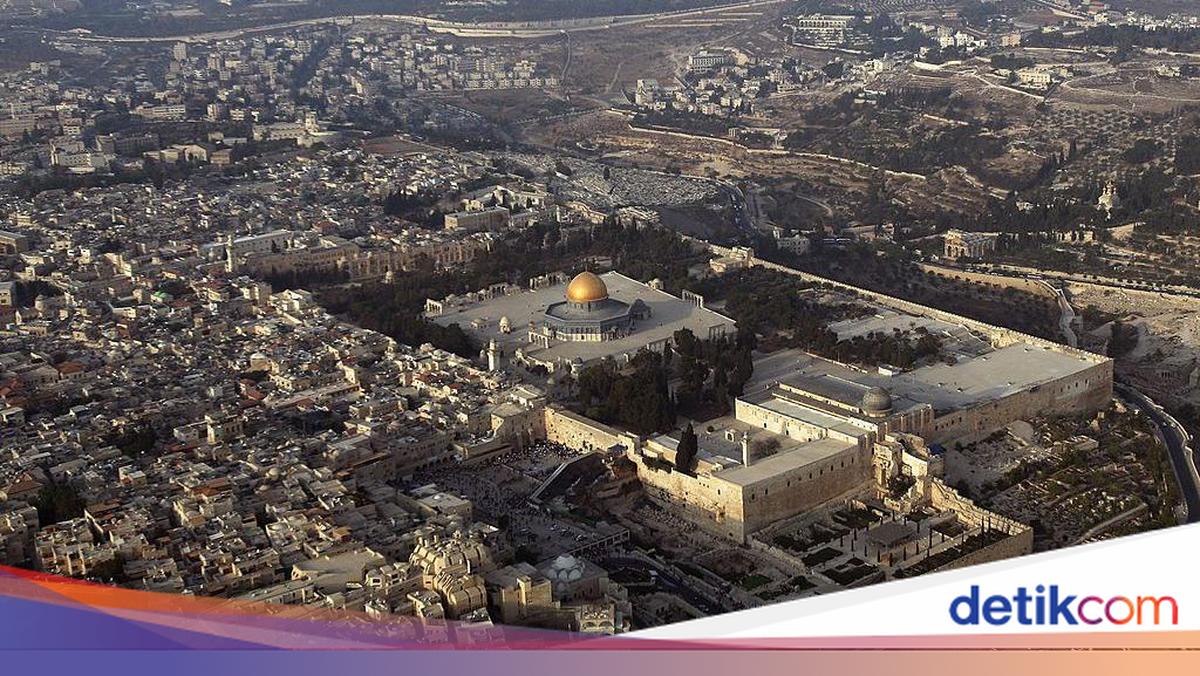
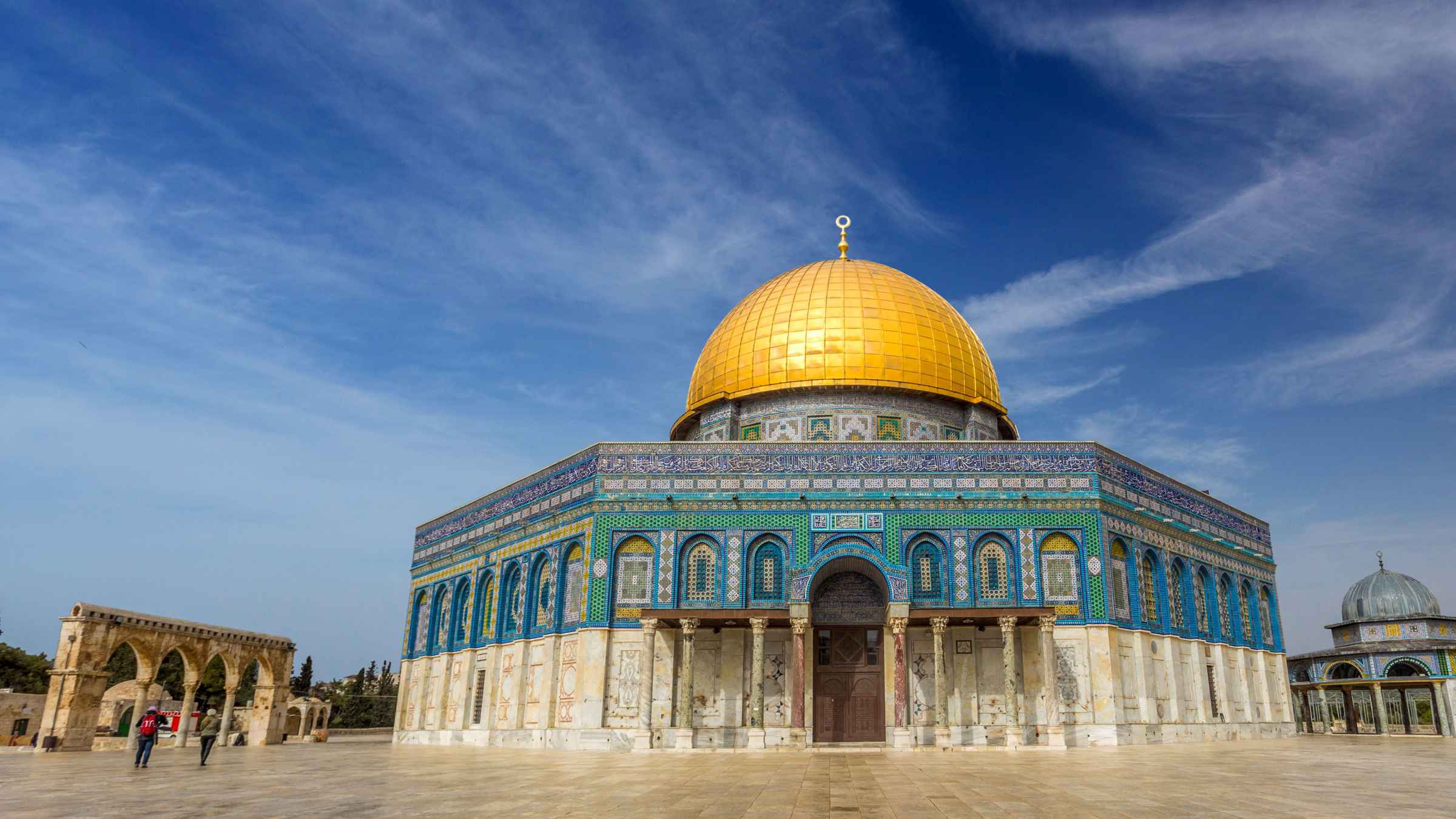
The Al-Aqsa Mosque compound, known to Muslims as Al-Haram al-Sharif and to Jews as the Temple Mount, is one of the most contested religious sites in the world. Its 144-dunam (35-acre) area, which includes the Dome of the Rock and the Qibli Mosque, is administered by the Jerusalem Islamic Waqf, a Jordanian-appointed religious trust. However, Israel maintains security control over the site and has increasingly restricted access for Muslim worshippers, particularly during Jewish holidays and periods of heightened tension.
The Ban and Its Immediate Fallout
Sheikh Ekrima Sabri, 82, served as the Grand Mufti of Jerusalem from 1994 to 2006 and remains a influential figure in Palestinian religious and political circles. Sheikh Issam Amira, a younger preacher, has gained prominence for his sermons at Al-Aqsa, which often address Palestinian resistance and the defense of Islamic holy sites. Both men were notified of the ban on Monday, according to statements from the Jerusalem Islamic Waqf, which oversees religious affairs at the compound.
Israeli police spokesperson Dean Elsdunne told The Times of Israel that the decision was made “based on intelligence assessments” but declined to elaborate on the specific threats posed by the two preachers. The ban prevents them from entering the Al-Aqsa compound for an indefinite period, though Israeli authorities have not clarified whether it applies to other parts of East Jerusalem or the West Bank.
The move has been met with widespread condemnation from Muslim leaders and governments. The Jordanian Ministry of Foreign Affairs, which holds custodianship over Jerusalem’s Islamic and Christian holy sites under a 1994 peace treaty with Israel, called the ban “a blatant violation of the historic and legal status quo” governing the Al-Aqsa compound. Jordan’s Foreign Minister Ayman Safadi warned that such actions “undermine regional stability and provoke the sentiments of millions of Muslims worldwide.”
In a joint statement on April 23, the foreign ministers of eight Muslim-majority nations — including the United Arab Emirates, Saudi Arabia, Egypt, Türkiye, Indonesia, and Pakistan — condemned Israel’s “repeated violations” at Al-Aqsa, including the raising of the Israeli flag within the compound and the protection of settler incursions by Israeli police. The statement reaffirmed that the entire Al-Aqsa compound “is a place of worship exclusively for Muslims” and called for the preservation of Jordan’s custodial role over the site.
A Pattern of Escalation
The ban on Sabri and Amira is the latest in a series of measures by Israeli authorities that have restricted access to Al-Aqsa for Muslim worshippers. On April 21, Israeli police imposed a total ban on Muslims performing Eid al-Fitr prayers at the mosque, marking the first such restriction since 1967. The decision, which coincided with the end of Ramadan, was widely seen as a deliberate provocation and drew criticism from religious leaders and human rights organizations.
Prof. Dr. Sudarnoto Abdul Hakim, Chairman of the Indonesian Ulema Council (MUI) for Foreign Relations and International Cooperation, described the ban as “a strategic move to erode the status quo and alter the demographic and religious character of Jerusalem.” In a statement published by MUI, he warned that such actions could “trigger a wave of regional protests and harsh reactions from international organizations,” given Al-Aqsa’s significance to 1.8 billion Muslims worldwide.
The restrictions at Al-Aqsa have been accompanied by a surge in settler violence and provocative actions in the occupied West Bank. On April 25, Israeli settlers raised the Israeli flag over the Al-Aqsa compound, an act that was condemned by the United Nations and the European Union. The same day, Israel approved the construction of 30 new settlements in the West Bank, a move that the International Court of Justice (ICJ) ruled illegal in its 2024 advisory opinion on the Israeli occupation.
These developments have heightened fears of a broader escalation. The Al-Aqsa compound has long been a flashpoint in the Israeli-Palestinian conflict, with clashes in 2000, 2017, and 2021 sparking widespread violence. The current tensions come amid a backdrop of stalled peace negotiations, rising settler violence, and a rightward shift in Israeli politics, which has seen far-right ministers openly advocate for greater Jewish control over the site.
The Legal and Political Context
The status of Jerusalem and its holy sites has been a contentious issue since Israel captured East Jerusalem from Jordan in the 1967 Six-Day War. While Israel annexed East Jerusalem in 1980, its sovereignty over the area is not recognized by the international community, and the city’s final status is meant to be determined through negotiations under the Oslo Accords.

The Al-Aqsa compound is governed by a delicate status quo agreement dating back to 1967, which grants the Jerusalem Islamic Waqf administrative control over the site while Israel maintains security oversight. Under this arrangement, non-Muslims are permitted to visit the compound but not to pray there. However, Israeli authorities have increasingly allowed Jewish visitors, including far-right activists and politicians, to enter the site under police protection, often leading to clashes with Palestinian worshippers.
The recent bans on Sabri and Amira are part of a broader pattern of restrictions on Palestinian religious and political figures. In 2023, Israel banned several Palestinian officials, including members of the Palestinian Authority, from entering Jerusalem. Human rights groups, including Amnesty International and Human Rights Watch, have accused Israel of using such measures to suppress Palestinian dissent and consolidate control over East Jerusalem.
International Reactions and Next Steps
The international community has responded with alarm to the latest developments at Al-Aqsa. The United Nations has called for the protection of the status quo at the site, while the European Union has urged Israel to “refrain from actions that could further escalate tensions.” The Organization of Islamic Cooperation (OIC), which represents 57 Muslim-majority nations, has scheduled an emergency meeting to discuss the situation.
For their part, Israeli officials have defended the ban on Sabri and Amira as a necessary security measure. National Security Minister Itamar Ben-Gvir, a far-right politician who has repeatedly visited the Al-Aqsa compound in defiance of the status quo, praised the decision as “a step toward restoring order” at the site. Ben-Gvir, who has previously called for greater Jewish access to Al-Aqsa, has been a vocal advocate for changing the status quo to allow Jewish prayer at the compound.
Palestinian leaders, meanwhile, have called for mass protests and international intervention. Palestinian Authority President Mahmoud Abbas described the ban as “a dangerous escalation that threatens to ignite a religious war.” Hamas, the Islamist group that controls the Gaza Strip, has called for a “day of rage” in response to the restrictions, raising fears of renewed violence.
The next few days will be critical in determining whether the situation at Al-Aqsa will de-escalate or spiral into further unrest. The Jerusalem Islamic Waqf has called for an emergency meeting to discuss the ban on Sabri and Amira, while Jordan has indicated it may take the issue to the United Nations Security Council. For now, the fate of the two preachers — and the broader status of Al-Aqsa — remains uncertain.
Why This Matters
The Al-Aqsa Mosque is not just a religious site; it is a symbol of Palestinian identity and resistance. For Muslims worldwide, it is the third-holiest site in Islam, after Mecca and Medina. For Palestinians, it represents a connection to their history and a focal point of their struggle against occupation. The recent restrictions and provocations at the site are seen by many as part of a broader Israeli strategy to assert control over East Jerusalem and marginalize Palestinian presence in the city.
The ban on Sabri and Amira also highlights the growing influence of far-right Israeli politicians, who have increasingly pushed for policies that challenge the status quo at Al-Aqsa. These actions risk not only inflaming tensions within Jerusalem but also sparking broader regional instability, given the site’s significance to Muslims worldwide.
As the situation continues to develop, the international community faces a critical test: whether it can muster the political will to hold Israel accountable for its actions at Al-Aqsa and prevent further escalation. For now, the world watches as one of the most sacred sites in the world becomes a battleground for competing visions of control and identity.
Key Takeaways
- Israeli authorities have banned two prominent Muslim preachers, Sheikh Ekrima Sabri and Sheikh Issam Amira, from entering the Al-Aqsa Mosque compound, citing “security concerns.”
- The ban has drawn sharp condemnation from Muslim-majority nations, including Jordan, Saudi Arabia, and Indonesia, which view it as a violation of the status quo governing the site.
- The Al-Aqsa compound, administered by the Jerusalem Islamic Waqf, is one of the most contested religious sites in the world, with Israel maintaining security control.
- The restrictions come amid a broader crackdown on Palestinian worshippers at Al-Aqsa, including a total ban on Eid al-Fitr prayers for the first time since 1967.
- International organizations, including the UN and EU, have called for the protection of the status quo at Al-Aqsa, warning that further provocations could lead to regional instability.
- The next steps will likely involve diplomatic efforts by Jordan and the OIC to address the situation, as well as potential protests and unrest in the Palestinian territories.
What do you think about the latest developments at Al-Aqsa? Share your thoughts in the comments below, and don’t forget to follow World Today Journal for more in-depth coverage of global affairs.