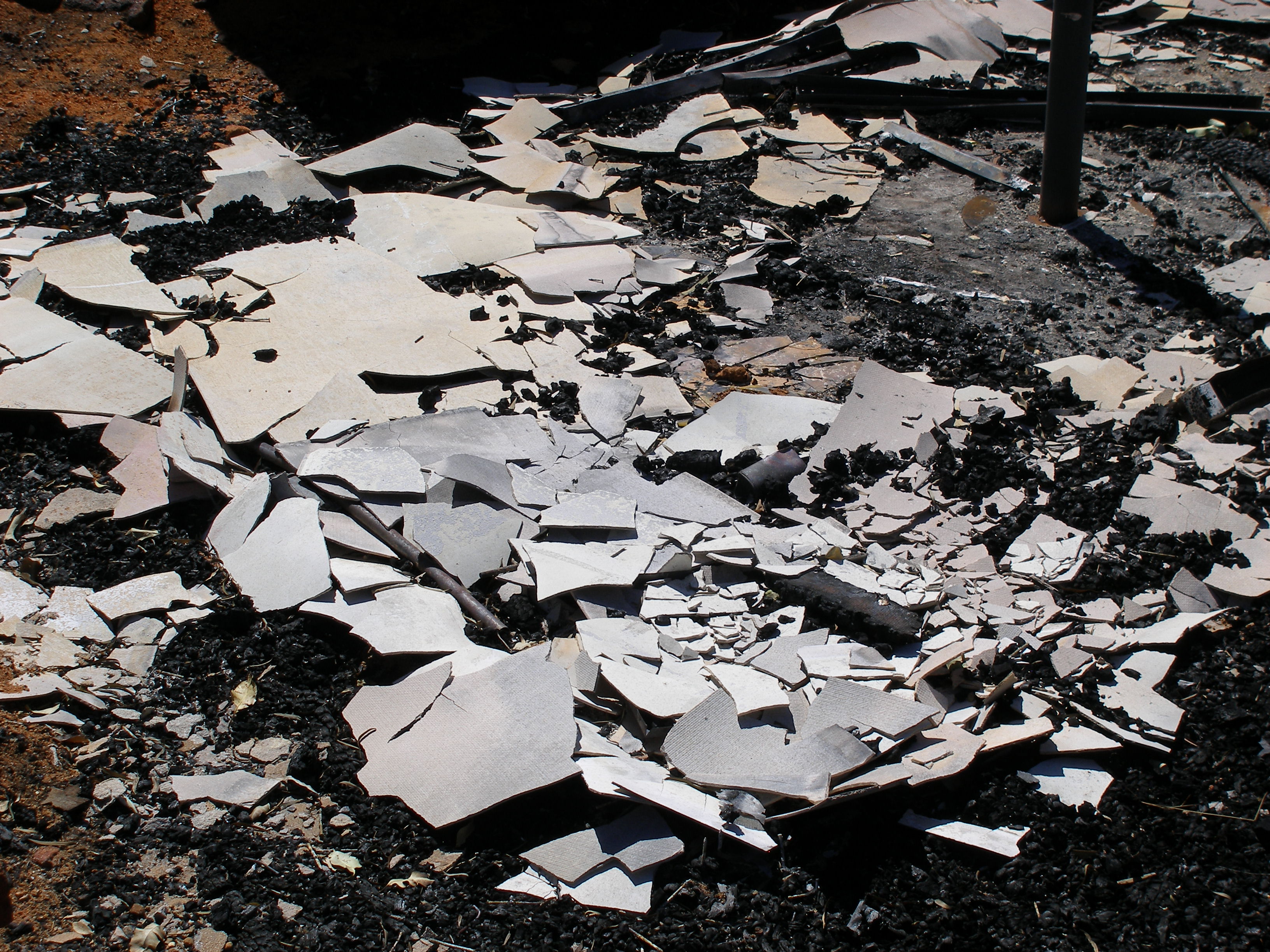
Fire at Farm in Riemst, Belgium, Sparks Asbestos Contamination Fears
RIEMST, Belgium — A late-night fire at a farm in the Belgian municipality of Riemst has led to the closure of a major road and raised urgent concerns about potential asbestos contamination in the surrounding area. The blaze, which broke out shortly before midnight on Monday, destroyed a barn containing stored straw and hay bales, authorities confirmed. The incident has prompted a swift response from local emergency services, environmental agencies and public health officials, who are now assessing the risks posed by asbestos fibers released into the air.

The fire occurred on the Visésteenweg, a key thoroughfare in Riemst, a small municipality in the Limburg province near the Dutch border. The barn’s roof was constructed with asbestos-containing materials, a common but hazardous building practice in older structures across Europe. As the fire consumed the barn, the asbestos sheets were damaged, potentially releasing toxic fibers into the environment. Local police and fire brigades acted quickly to cordon off the area, while authorities began notifying nearby residents of the potential health risks.
Asbestos, a naturally occurring mineral once widely used in construction for its fire-resistant properties, is now known to pose severe health risks when its fibers are inhaled. Prolonged exposure can lead to serious respiratory diseases, including asbestosis, lung cancer, and mesothelioma, a rare and aggressive form of cancer. The European Union has banned the use of asbestos since 2005, but many older buildings and agricultural structures still contain the material, posing ongoing risks during renovations, demolitions, or fires.
Emergency Response and Road Closures
Firefighters from the Limburg province were dispatched to the scene shortly after the fire was reported, arriving to find the barn fully engulfed in flames. According to reports from Het Belang van Limburg, the barn was used to store straw and hay bales, which fueled the intensity of the blaze. The fire was brought under control within hours, but the damage to the asbestos roof raised immediate concerns about airborne contamination.
The Visésteenweg, a busy route connecting Riemst to neighboring towns, was closed in both directions as a precautionary measure. Local police set up roadblocks and diverted traffic, while environmental agencies began air quality monitoring to assess the spread of asbestos fibers. Residents in the immediate vicinity were advised to keep windows and doors closed and to avoid outdoor activities until further notice. Authorities also warned against handling debris or attempting to clean up the site, as improper handling could exacerbate the spread of asbestos fibers.
Health Risks and Public Safety Measures
The potential release of asbestos fibers into the air has raised alarms among public health officials, who are urging caution for residents in the affected area. The Belgian Agency for Care and Health (Zorg en Gezondheid) has issued guidance for those who may have been exposed, emphasizing the importance of avoiding contact with contaminated materials and seeking medical advice if symptoms such as coughing, shortness of breath, or chest pain develop.

Asbestos-related diseases often take years or even decades to manifest, making immediate exposure difficult to quantify. However, short-term exposure to high concentrations of asbestos fibers can still pose significant health risks, particularly for vulnerable populations such as children, the elderly, and individuals with pre-existing respiratory conditions. The Flemish Environment Agency (Vlaamse Milieumaatschappij, VMM) is conducting air quality tests in the area to determine the extent of the contamination and will provide updates as more information becomes available.
In a statement to local media, a spokesperson for the Riemst municipal government confirmed that the site would remain closed until environmental assessments are completed. “The safety of our residents is our top priority,” the spokesperson said. “We are working closely with environmental experts to ensure that any risks are mitigated as quickly as possible. We ask everyone to follow the advice of the authorities and avoid the area until we can confirm it is safe.”
Asbestos in Older Buildings: A Lingering Hazard
The fire in Riemst highlights a broader issue facing many European communities: the presence of asbestos in older buildings and agricultural structures. Despite the EU-wide ban on asbestos, which came into effect in 2005, an estimated 300,000 buildings across Europe still contain the material, according to the European Environment Agency. These structures pose a risk not only during fires but also during renovations, demolitions, or natural disasters that can disturb asbestos-containing materials.
In Belgium, the removal and disposal of asbestos are strictly regulated. The Flemish government has implemented a comprehensive asbestos management plan, which includes mandatory reporting of asbestos-containing materials in buildings, safe removal protocols, and financial incentives for property owners to replace asbestos with safer alternatives. However, enforcement remains a challenge, particularly in rural areas where older agricultural buildings are common.
The incident in Riemst serves as a stark reminder of the dangers posed by asbestos in older structures. While the material was once celebrated for its durability and fire-resistant properties, its long-term health risks have made it a persistent hazard. As communities across Europe grapple with the legacy of asbestos use, incidents like this underscore the importance of proactive measures to identify, manage, and safely remove the material from buildings.
What Happens Next?
Environmental agencies are expected to complete their initial assessments of the site within the next 48 hours. Depending on the findings, the road closure on the Visésteenweg could remain in place for several days or even weeks as cleanup efforts get underway. Residents in the affected area are advised to monitor updates from local authorities and follow any additional safety guidelines that may be issued.
The Flemish Environment Agency has set up a dedicated webpage for updates on the situation, including air quality reports and public health advisories. The Riemst municipal government is also providing information through its official channels, including social media and local news outlets.
For those concerned about potential exposure, the Belgian Agency for Care and Health recommends contacting a healthcare provider if symptoms such as persistent coughing, difficulty breathing, or chest pain develop. While the immediate risks are being assessed, long-term monitoring may be necessary for individuals who were in close proximity to the fire.
Key Takeaways
- Fire at a farm in Riemst, Belgium, has led to concerns about asbestos contamination after the blaze damaged a barn roof containing asbestos materials.
- The Visésteenweg, a major road in Riemst, has been closed as a precautionary measure while environmental agencies assess the risks.
- Asbestos fibers, if inhaled, can cause serious respiratory diseases, including lung cancer and mesothelioma, with symptoms often taking years to develop.
- Residents in the affected area are advised to keep windows and doors closed and avoid outdoor activities until authorities confirm it is safe.
- Asbestos remains a hazard in many older European buildings, despite an EU-wide ban on its use since 2005.
- Environmental assessments are underway, and updates will be provided by the Flemish Environment Agency and local authorities.
Frequently Asked Questions
What is asbestos, and why is it dangerous?
Asbestos is a naturally occurring mineral that was widely used in construction for its fire-resistant and insulating properties. However, when asbestos-containing materials are damaged or disturbed, tiny fibers can be released into the air. Inhaling these fibers can lead to serious health issues, including asbestosis (a chronic lung disease), lung cancer, and mesothelioma, a rare and aggressive form of cancer. The health effects of asbestos exposure often take years or even decades to manifest.
How can I protect myself from asbestos exposure?
If you live or work near a site where asbestos has been disturbed, such as during a fire or demolition, follow these precautions:
- Avoid the area and follow any guidance issued by local authorities.
- Keep windows and doors closed to prevent fibers from entering your home.
- Avoid outdoor activities, such as gardening or playing sports, until authorities confirm it is safe.
- Do not attempt to clean up debris or handle materials that may contain asbestos.
- If you experience symptoms such as coughing, shortness of breath, or chest pain, seek medical advice.
What should I do if I feel I’ve been exposed to asbestos?
If you believe you have been exposed to asbestos, it is important to monitor your health for any symptoms. While short-term exposure to low levels of asbestos is unlikely to cause immediate harm, prolonged or repeated exposure increases the risk of developing asbestos-related diseases. Contact your healthcare provider if you experience persistent respiratory symptoms. In Belgium, you can also reach out to the Belgian Agency for Care and Health for guidance.
How is asbestos removed and disposed of safely?
Asbestos removal is a highly regulated process that must be carried out by licensed professionals. In Belgium, the Flemish government has established strict protocols for the safe removal and disposal of asbestos-containing materials. These include:
- Wetting the materials to minimize the release of fibers.
- Using specialized equipment and protective gear.
- Sealing the materials in airtight containers for disposal at approved facilities.
- Conducting air quality tests before and after removal to ensure safety.
Property owners in Flanders can apply for financial incentives to help cover the costs of asbestos removal.
What It Means for the Community
The fire in Riemst is a sobering reminder of the hidden dangers that can lurk in older buildings. For the residents of Riemst and surrounding communities, the incident has raised awareness about the importance of identifying and safely removing asbestos from properties. While the immediate focus is on assessing and mitigating the risks posed by the fire, the long-term impact of this event could lead to increased efforts to address asbestos hazards in the region.
For local authorities, the incident underscores the need for continued vigilance in enforcing asbestos regulations and providing support to property owners. The Flemish government’s asbestos management plan is a step in the right direction, but incidents like this highlight the challenges of ensuring compliance, particularly in rural areas where older agricultural buildings are prevalent.
As the situation in Riemst continues to develop, the broader lesson for communities across Europe is clear: asbestos remains a significant public health risk, and proactive measures are essential to protect residents from its dangers. Whether through stricter enforcement of removal protocols, increased public awareness, or financial incentives for property owners, addressing the legacy of asbestos use will require a concerted effort from governments, businesses, and individuals alike.
For now, the residents of Riemst are advised to stay informed and follow the guidance of local authorities. The next official update on the situation is expected within the next 48 hours, and further developments will be closely monitored by World Today Journal.
Have you or someone you know been affected by asbestos exposure? Share your thoughts and experiences in the comments below, and help raise awareness about this critical public health issue.
Keep reading