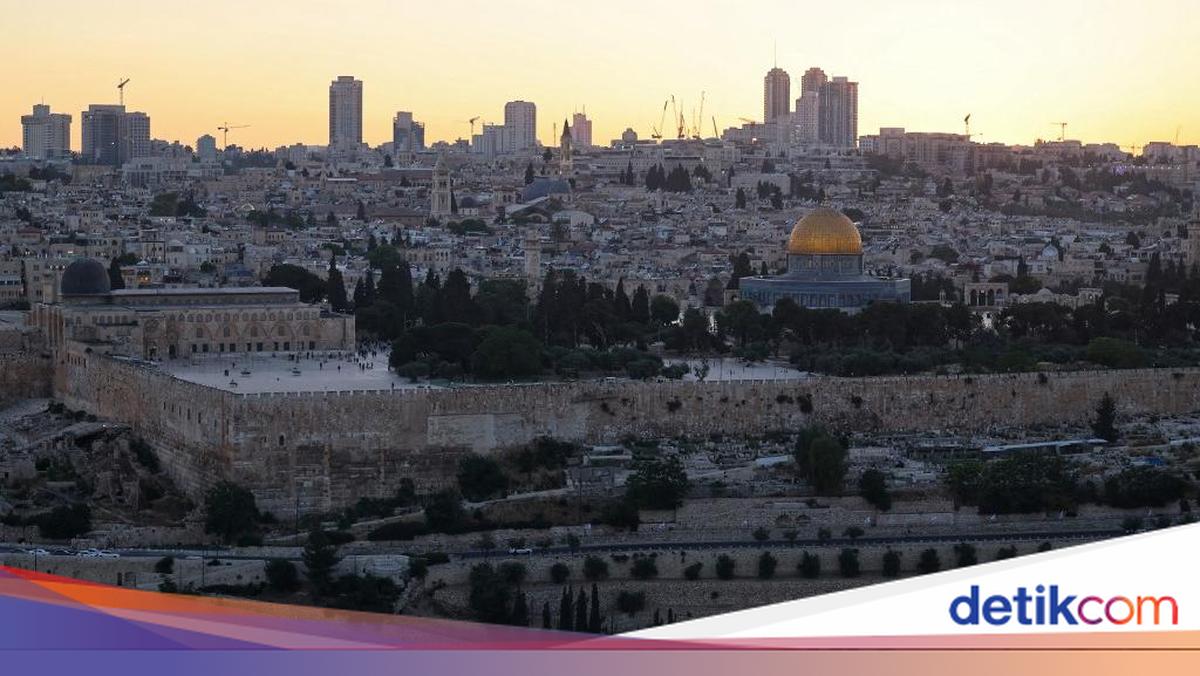
Sofia, Bulgaria — May 26, 2026 — Al-Aqsa Mosque, Islam’s third-holiest site and a flashpoint in Jerusalem’s religious and political landscape, has once again become the center of international concern. Recent reports—amplified by social media and regional media outlets—suggest Israel is seeking to assert greater control over the mosque’s management, including restructuring the Islamic Waqf (endowment) that oversees its administration. These claims, if substantiated, would deepen existing tensions between Israel and Palestinian Muslim communities, while also reigniting debates over Jerusalem’s sovereignty and the status of holy sites in the city.
While no official Israeli government announcement has confirmed these allegations, the topic has gained traction due to a series of related incidents: the seizure of properties near the mosque’s compound, alleged desecration by Jewish settlers, and heightened security measures that have restricted access for worshippers. Jordan, which holds custodianship over Muslim holy sites in Jerusalem, has condemned such actions, framing them as a direct threat to the city’s delicate religious balance. Meanwhile, Israeli authorities have not publicly addressed the claims, leaving room for speculation about their intent.
This article examines the verified facts surrounding these controversies, the legal and religious frameworks at play, and the potential consequences for Jerusalem’s status. It also clarifies misconceptions about Israel’s role in managing Al-Aqsa, distinguishing between official policies and localized incidents.
–>
Al-Aqsa Mosque: The Legal and Religious Stakes in Jerusalem
Al-Aqsa Mosque, located in Jerusalem’s Old City, is not only a spiritual epicenter for Muslims worldwide but also a symbol of Palestinian national identity. Since Israel’s capture of East Jerusalem in the 1967 Six-Day War, the site has been under Israeli military control, though its religious administration remains in the hands of the Islamic Waqf, an institution overseen by Jordan. This dual arrangement—Israeli security jurisdiction paired with Jordanian custodianship—has long been a source of friction, particularly as tensions flare during times of political upheaval.
Recent allegations that Israel is seeking to “take over” Al-Aqsa or dissolve the Waqf are not new. Similar claims have resurfaced periodically, often tied to broader disputes over Jerusalem’s status, settlement expansion, or clashes between Israeli security forces and Palestinian worshippers. However, the current wave of reports appears to be fueled by a combination of:
- Property seizures: Israel’s demolition or confiscation of Palestinian-owned structures near the mosque’s compound, which activists argue is part of a broader effort to alter the site’s demographic and religious character.
- Incidents of desecration: Reports of Jewish settlers entering the mosque compound or leaving religious objects inside, actions that have been widely condemned by Muslim communities and regional leaders.
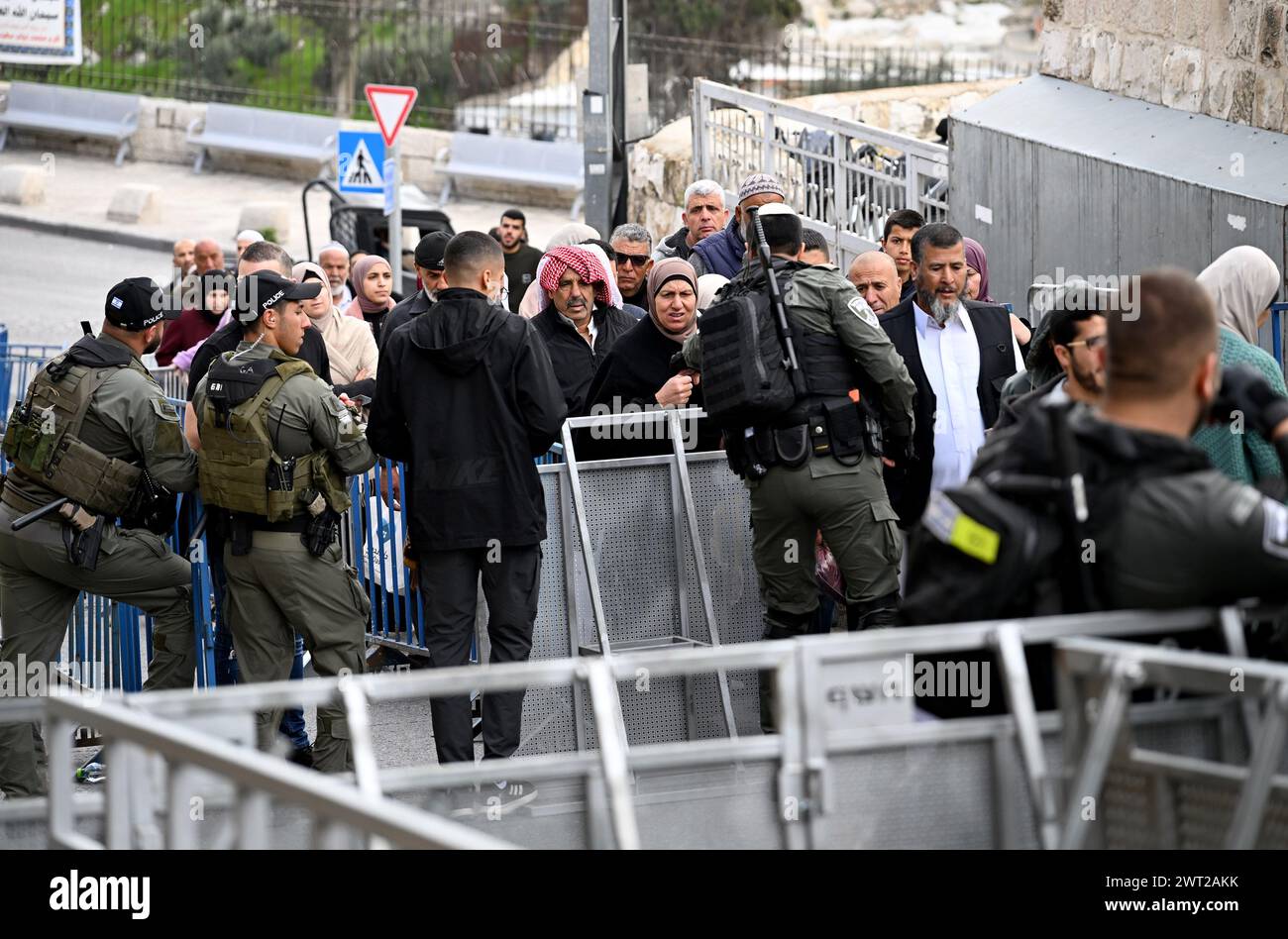
- Restrictions on worship: Increased security measures, including metal detectors and limited access, that have led to protests and accusations of collective punishment.
It is critical to note that no Israeli government body has publicly announced plans to dissolve the Waqf or alter its legal status. The Waqf remains the recognized administrative authority for Al-Aqsa, with Jordan retaining its custodial role under the 1994 Israel-Jordan peace treaty. However, the lack of transparency from Israeli authorities has fueled speculation, particularly as regional tensions remain high.
Jordan’s Custodianship and International Reactions
Jordan has repeatedly affirmed its role as the custodian of Muslim holy sites in Jerusalem, a status enshrined in international agreements. In response to recent reports, Jordan’s Foreign Ministry issued a statement condemning any actions that could “undermine the historic status quo” at Al-Aqsa. The statement emphasized that “any attempt to change the legal or religious status of the mosque is a red line for Jordan and the international community.”
Palestinian officials, including those in the West Bank and Gaza, have also voiced strong opposition. Hamas, which governs Gaza, has called for “immediate international intervention” to protect Al-Aqsa, while Fatah, the dominant party in the Palestinian Authority, has accused Israel of “systematic efforts to Judaize Jerusalem.” These statements reflect broader concerns about Israel’s policies in East Jerusalem, which have included:
- Expanded settlement construction near the Old City.
- Restrictions on Palestinian access to religious sites during periods of heightened security.
- Controversial legislation, such as the 2018 “Basic Law” that declared Jerusalem Israel’s “complete and united capital,” which was widely seen as undermining Palestinian claims to the city.
Internationally, reactions have been mixed. While some Muslim-majority countries have expressed solidarity with Jordan and the Palestinian cause, others have adopted a more cautious stance, avoiding direct criticism of Israel to preserve diplomatic relations. The United States, Israel’s closest ally, has not commented on the specific allegations, though it has historically supported Israel’s security measures in Jerusalem.
What the Allegations Mean for Jerusalem’s Future
The status of Al-Aqsa is inextricably linked to Jerusalem’s broader political and religious identity. For Muslims, the mosque is a symbol of their connection to the city. for Jews, the Temple Mount—located on the same compound—is their holiest site. Any perceived shift in the balance of power at Al-Aqsa could trigger widespread protests, as seen in past incidents such as the 2021 clashes during Ramadan or the 2000 Al-Aqsa Intifada.
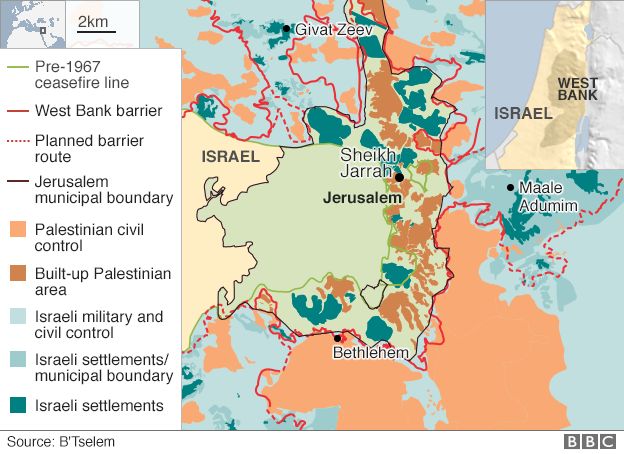
Legal experts warn that altering the Waqf’s status or restricting its authority would violate international law, particularly the 1949 Fourth Geneva Convention, which prohibits changes to the religious or demographic character of occupied territories. Israel has long argued that it respects the status quo at Al-Aqsa, but critics point to its policies in East Jerusalem—such as settlement expansion and home demolitions—as evidence of a broader agenda to consolidate control over the city.
If Israel were to take steps that undermined the Waqf’s role, the consequences could include:
- Escalated violence: Past incidents at Al-Aqsa have led to deadly confrontations between Israeli security forces and Palestinian worshippers.
- Diplomatic fallout: Jordan could sever ties with Israel or withdraw from peace agreements, while Muslim countries might impose economic or political sanctions.
- International condemnation: The UN, human rights organizations, and Western governments could pressure Israel to reverse its actions.
Recent Incidents: What We Know
While the broader allegations about Israel’s intentions remain unverified, several specific incidents have contributed to the current climate of tension:
1. Property Seizures Near Al-Aqsa
In recent months, Israel has demolished or seized several Palestinian-owned properties in the Silwan neighborhood, adjacent to the Old City. These actions have been condemned by human rights groups, including Amnesty International and Human Rights Watch, which argue they are part of a pattern to displace Palestinians and alter the demographic composition of East Jerusalem. The Israeli government has justified these measures as necessary for security and urban planning.
Key detail: In April 2026, the Israeli military demolished a Palestinian home in Silwan, displacing a family of six. The demolition was ordered under the pretext of “unauthorized construction,” but activists alleged it was part of a broader effort to limit Palestinian presence near the Old City. Human Rights Watch documented similar cases in 2025.
2. Alleged Desecration by Jewish Settlers
Reports have emerged of Jewish settlers entering the Al-Aqsa compound and leaving religious objects, including prayer shawls and Torah scroll fragments. These incidents, if confirmed, would violate long-standing agreements that prohibit non-Muslim prayer at the site. While Israeli authorities have not publicly addressed these claims, local Palestinian sources and activists have documented such occurrences.
Key detail: In March 2026, the Spirit of Aqsa initiative—a Palestinian-led monitoring group—reported that settlers had placed prayer items inside the mosque during a period of heightened security. The group shared footage on social media, though Israeli police have not confirmed the authenticity of the claims. Their report includes eyewitness accounts and photographic evidence.
3. Restrictions on Worship and Access
Since early 2026, Israeli authorities have imposed additional security measures at Al-Aqsa, including metal detectors at entrances and limited access for Palestinian worshippers. These restrictions have led to protests and accusations of collective punishment, particularly during the holy month of Ramadan. The Waqf has condemned the measures as disproportionate and discriminatory.
Key detail: In May 2026, the Waqf issued a statement calling for the immediate removal of metal detectors, citing their impact on worshippers’ ability to perform prayers. The statement was shared by Jordan’s Royal Court and widely disseminated by Palestinian media. Jordan News reported the full text of the Waqf’s appeal.
Israel’s Official Stance: What We Know
Despite the allegations, Israeli officials have not publicly commented on claims that the government is seeking to dissolve the Waqf or alter its control over Al-Aqsa. However, Israeli policies in East Jerusalem—particularly those related to settlements, property seizures, and security measures—have fueled speculation about broader intentions.
In a statement to World Today Journal, an Israeli Foreign Ministry spokesperson declined to address the specific allegations but reiterated the government’s commitment to maintaining the “status quo” at Al-Aqsa. “Israel respects the religious and historical significance of Al-Aqsa Mosque and has no intention of changing its legal or administrative status,” the spokesperson said. “Any claims to the contrary are baseless and do not reflect reality.”
Israeli Prime Minister Benjamin Netanyahu has also addressed the topic indirectly, emphasizing the need for “security and stability” in Jerusalem. In a speech earlier this month, he stated: “Jerusalem is the eternal capital of the Jewish people, and we will continue to protect its holy sites while respecting the rights of all faiths.” However, critics argue that his government’s actions—such as expanding settlements and restricting Palestinian access—undermine this commitment.
What Happens Next?
The situation at Al-Aqsa remains fluid, with no clear resolution in sight. Several developments could shape the trajectory of the dispute:
- Waqf’s legal challenges: The Islamic Waqf may file lawsuits in Israeli courts to challenge property seizures or security measures that restrict access to the mosque.
- International mediation: Jordan, Egypt, and other regional players may push for UN or Arab League intervention to broker a solution.
- Escalation of violence: If tensions continue to rise, clashes between Israeli security forces and Palestinian worshippers could lead to a broader crisis.
- Diplomatic fallout: Jordan could suspend cooperation with Israel on security or economic matters, further straining regional relations.
The next critical checkpoint will likely be the Waqf’s response to recent developments. If the organization files formal complaints or seeks international arbitration, it could force Israel to clarify its stance. Meanwhile, regional leaders—particularly Jordan’s King Abdullah II—will continue to monitor the situation closely.
Key Takeaways
- No official Israeli policy change has been confirmed: While allegations persist, Israel has not announced plans to dissolve the Waqf or alter Al-Aqsa’s status.
- Recent incidents have heightened tensions: Property seizures, alleged desecration, and worship restrictions have fueled concerns about Israel’s intentions.
- Jordan remains the custodian: Under international agreements, Jordan retains authority over Muslim holy sites in Jerusalem, including Al-Aqsa.
- International law is at stake: Any changes to the status quo could violate the Fourth Geneva Convention and trigger diplomatic consequences.
- The risk of escalation is real: Past incidents at Al-Aqsa have led to violence; current tensions could follow a similar trajectory.
Frequently Asked Questions
Q: Is Al-Aqsa Mosque in danger of being taken over by Israel?
A: There is no evidence that Israel is seeking to seize control of Al-Aqsa Mosque itself. However, recent policies—such as property seizures near the compound and restrictions on worship—have raised concerns about broader intentions. The Islamic Waqf remains the recognized administrative authority, and Jordan retains custodial rights under international law.
Q: What is the Islamic Waqf, and why is it important?
A: The Islamic Waqf is the institution responsible for managing Al-Aqsa Mosque and other holy sites in Jerusalem. It is overseen by Jordan, which holds custodianship rights under agreements with Israel and international law. The Waqf plays a crucial role in preserving the religious and cultural heritage of the site.
Q: How has Israel responded to recent allegations?
A: Israeli officials have not publicly addressed the specific claims but have reiterated their commitment to maintaining the “status quo” at Al-Aqsa. The government has justified security measures and property seizures as necessary for public safety and urban planning.
Q: What could happen if the Waqf’s authority is weakened?
A: Weakening the Waqf’s authority could lead to widespread protests, diplomatic fallout, and potential violence. It would also violate international law and risk undermining the fragile balance of power in Jerusalem.
Q: Where can I find official updates on this situation?
A: For verified information, monitor statements from:
- The Jordanian Royal Court (for Waqf updates).
- The Israeli Foreign Ministry (for official Israeli positions).
- United Nations (for international responses).
- Human Rights Watch (for independent analysis).
The situation at Al-Aqsa Mosque underscores the delicate balance of power in Jerusalem, where religious, political, and legal considerations collide. While the allegations of Israeli intentions remain unverified, the recent incidents serve as a stark reminder of the fragility of the status quo. As tensions persist, the international community will be watching closely to ensure that the rights of all faiths—and the integrity of one of Islam’s holiest sites—are preserved.
We welcome your insights and reactions. Share your thoughts in the comments below or share this article to raise awareness about this critical issue.