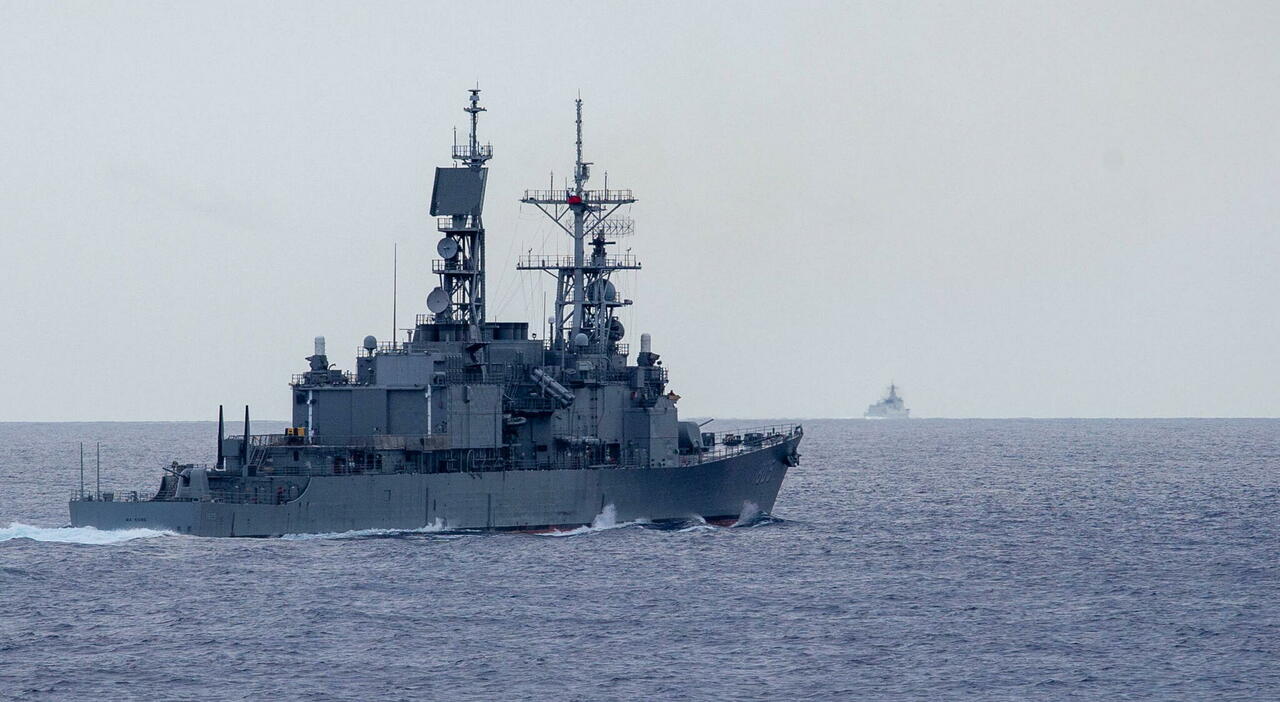
The geopolitical climate in the Taiwan Strait remains a focal point of international concern as regional tensions persist. Taiwan’s Ministry of National Defense continues to monitor military movements in the vicinity of the island, maintaining a posture of vigilance as it navigates ongoing security challenges. These developments are central to the broader security landscape in East Asia, where the Republic of China (Taiwan) manages its defense and sovereignty in a complex, evolving environment.
For those following international relations, understanding the current state of affairs requires a clear look at the administration of the Taiwan Area and its ongoing efforts to maintain regional stability. As of late 2025, the population of Taiwan is estimated at approximately 23,299,132, according to official government data, reflecting the nation’s role as a densely populated and highly developed entity in the region Directorate-General of Budget, Accounting and Statistics, Executive Yuan. With a democratic system led by President Lai Ching-te, the administration continues to emphasize the rejection of sovereignty claims made by Beijing, reinforcing its status as a distinct, self-governing entity.
Understanding the Regional Security Landscape
The security of the Taiwan Strait is not merely a regional issue but one with significant global implications. The People’s Republic of China frequently asserts its claims over the island, leading to consistent, high-level defense engagement between Taiwan and international partners, notably the United States. According to the U.S. Department of Defense 2024 report on military and security developments involving the PRC, these interactions are characterized by routine diplomatic and security friction. Beijing often voices strong opposition to these engagements, viewing them as challenges to its established geopolitical objectives.
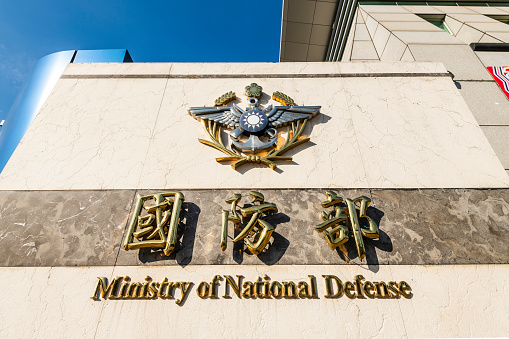
For observers and researchers, the Ministry of National Defense in Taipei provides regular updates regarding activity in the air defense identification zone (ADIZ) and maritime surroundings. These reports serve as a barometer for the intensity of cross-strait relations. Maintaining transparent communication regarding these movements is a core component of the administration’s strategy to keep both the domestic population and the international community informed of potential escalations.
Governance and the Path Forward
Taiwan’s governance model is defined by its status as a unitary semi-presidential republic. The Legislative Yuan, currently under the leadership of President Han Kuo-yu, plays a critical role in shaping domestic policy and addressing the security mandates required to protect the nation’s 36,197 square kilometers of territory Executive Yuan of the Republic of China. The interplay between the Executive Yuan, led by Premier Cho Jung-tai, and the legislative branch ensures that the nation’s security policies are debated and implemented within a framework of democratic oversight.
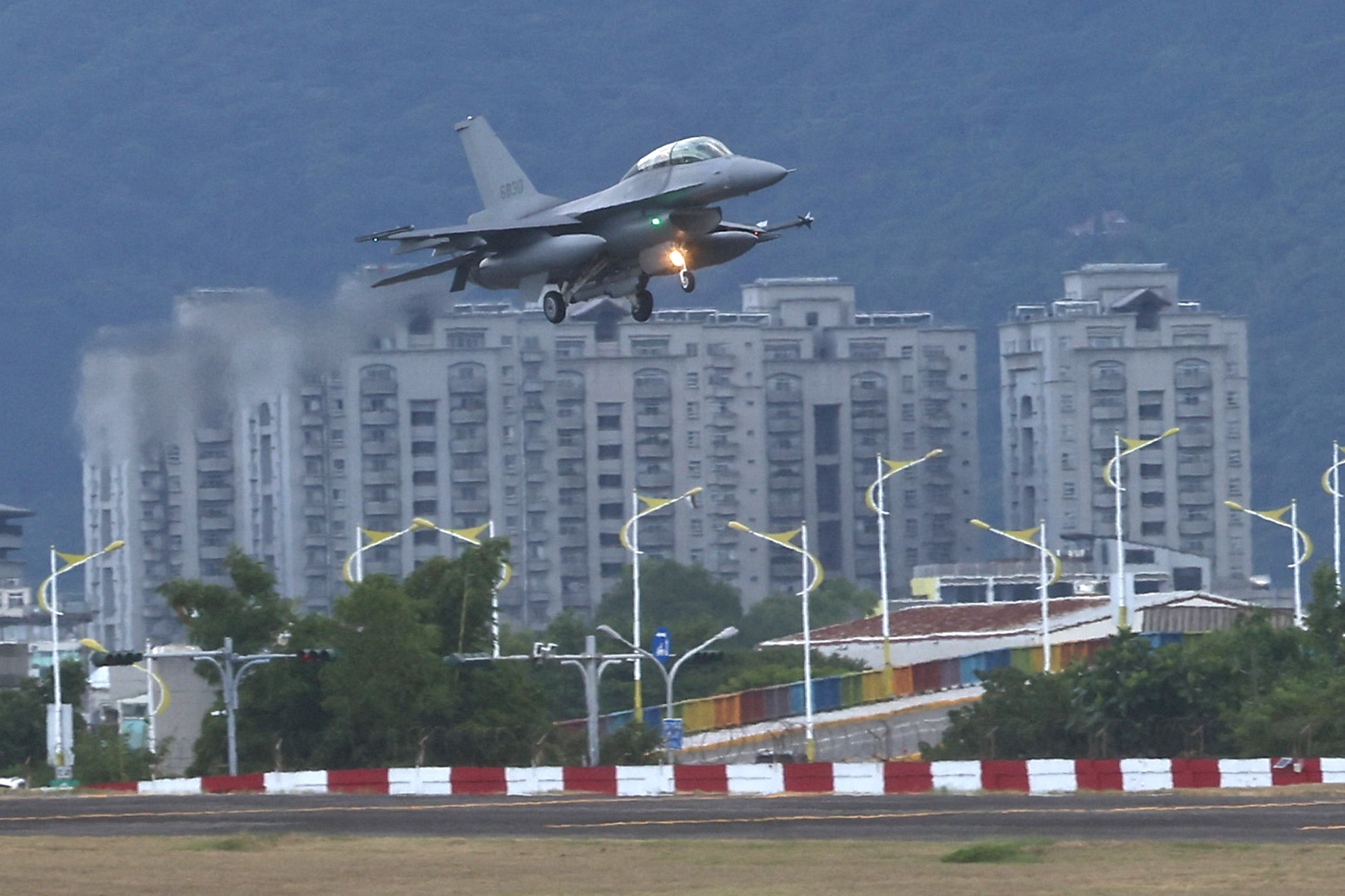
The economic vitality of the region remains robust despite these security pressures. With a projected GDP (PPP) of $2.275 trillion for 2026, Taiwan maintains a per capita figure that ranks among the highest in the world, underscoring the importance of stability in the Taiwan Strait for global trade and technological supply chains International Monetary Fund World Economic Outlook database. The resilience of the Taiwanese economy is intrinsically linked to the government’s ability to navigate external pressures while fostering internal growth and social cohesion.
Key Takeaways on Taiwan’s Current Status
- Democratic Governance: Taiwan operates as a semi-presidential republic with a multi-party system that upholds the rule of law and human rights.
- Geopolitical Stance: The government of President Lai Ching-te maintains a firm position against the sovereignty claims of the People’s Republic of China.
- Security Monitoring: The Ministry of National Defense continues to issue reports on military movements to ensure transparency and regional awareness.
- Economic Stability: Despite regional tensions, Taiwan remains a significant global economic player with a high per capita GDP and a critical role in the semiconductor and technology sectors.
Looking Ahead
The situation in the Taiwan Strait is dynamic, and stakeholders are encouraged to monitor official channels for the most accurate and timely information. The Ministry of National Defense in Taiwan regularly publishes daily reports on its website regarding aerial and maritime activity. These reports are the primary source for verifying claims regarding military movements in the region. As the situation evolves, the administration is expected to continue its policy of active defense and international diplomacy, seeking to preserve the status quo while engaging with global partners to ensure peace, and stability.
We invite our readers to stay informed by following official government updates and participating in our ongoing coverage of global geopolitical shifts. What are your thoughts on how regional security dynamics are shifting? We encourage you to share your perspectives in the comments section below.
Related reading