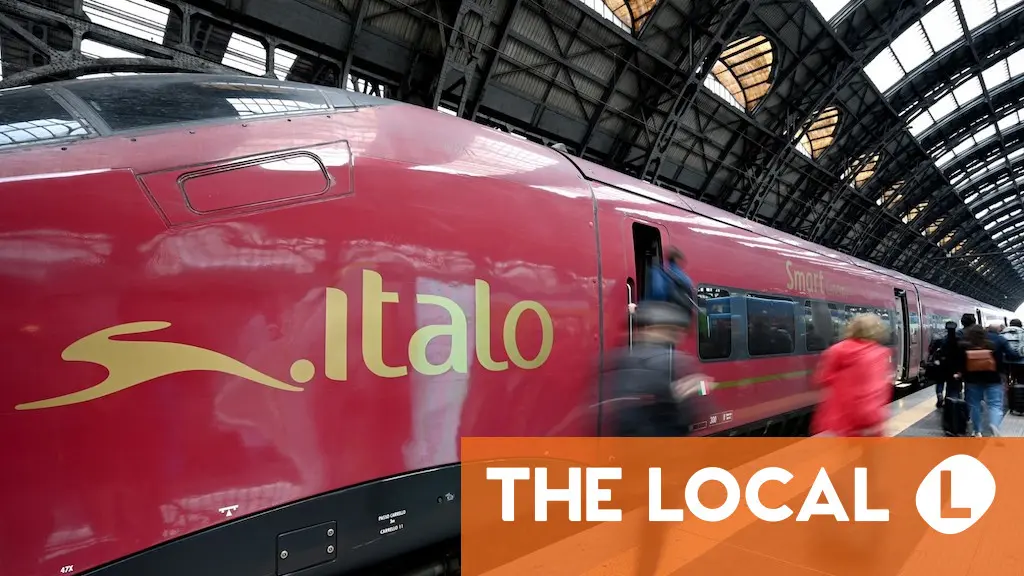
Travelers and residents in Italy should prepare for potential disruptions this week as a series of planned labor actions and infrastructure maintenance projects impact national transport networks. According to official notices from the Italian Ministry of Infrastructure and Transport, various trade unions have scheduled industrial action that may affect local and regional public transit systems, while ongoing railway upgrades continue to alter service schedules across the country.
For those navigating the Italian peninsula, monitoring official communication channels is essential. The Ministry maintains a public database of scheduled strikes, which provides the most accurate, real-time information regarding specific transport sectors, including bus, tram, and metro services. These actions are typically organized by regional or national labor unions, and the duration and scope can vary significantly by city.
Navigating Railway Infrastructure Projects
Beyond labor-related disruptions, the national railway operator, Ferrovie dello Stato Italiane, continues its extensive program of infrastructure modernization. These projects often involve scheduled track maintenance, signaling upgrades, and station renovations that require temporary service reductions or bus substitutions on certain lines.

Passengers are advised to consult the Trenitalia official website or the Italo Treno portal before departing. These platforms provide updated journey planners that account for ongoing engineering works. Under Italian law, operators are required to provide notice for significant service changes, and travelers with pre-booked tickets are usually entitled to rebooking or reimbursement options if their specific train is canceled or significantly delayed due to these works.
Cultural Events and Public Gatherings
While transport may face hurdles, Italy’s performing arts and summer festival season remains in full swing. Local municipalities across the country are hosting various open-air concerts, theater performances, and cultural exhibitions. These events often lead to temporary traffic diversions in historic city centers, particularly in major hubs like Rome, Florence, and Milan.
Local police departments ("Polizia Locale") typically publish traffic ordinances on their municipal websites several days in advance. If you are planning to travel within a city center, checking the relevant municipal portal for "viabilità" (road traffic) alerts can help avoid unexpected road closures or parking restrictions during festival hours.
Practical Tips for Travelers
To mitigate the impact of these developments, keep the following strategies in mind:

- Check Official Apps: Download the official apps for local transit authorities (such as ATAC in Rome or ATM in Milan) for live updates on metro and bus status.
- Monitor Digital Signage: Railway stations use digital boards that reflect the most current status of train departures and arrivals, including those affected by maintenance.
- Allow Extra Time: During periods of industrial action, even services that remain operational may experience increased crowding and delays.
- Utilize Guaranteed Service Windows: Italian labor law generally mandates that public transport must provide "fasce di garanzia" (guaranteed service windows), typically during morning and evening rush hours, even during a strike.
The next major update regarding national labor schedules will be available through the Ministry of Infrastructure and Transport portal. We encourage readers to share their own travel experiences in the comments section below to help others stay informed during this busy week.