Global Urbanization and the Rise of the Megacity: A 2026 Perspective
As of 2026, the global urban landscape is undergoing a profound transformation. With more than half of the world’s population currently residing in cities, experts project that this figure will climb to 70% by 2050. This rapid shift places urban centers at the forefront of demographic change, intensifying pressure on housing stocks, infrastructure, transport networks, and public spaces, while necessitating urgent adaptation to climate change.
Methodological Challenges in Ranking Megacities
Determining the “largest” city in the world is complex, as rankings depend heavily on the criteria used for measurement. Analysts at World Population Review (WPR) and other international bodies note that definitions of city, metropolitan, and agglomeration boundaries vary significantly across nations, making direct comparisons difficult. While some assessments focus on administrative limits—such as the Chinese municipality of Chongqing, which spans 82 тисячі square kilometers, an area larger than Austria—the United Nations’ World Urbanization Prospects 2025 utilizes a methodology that includes central districts, suburban territories, and densely populated satellite cities. This approach provides a more comprehensive view of urban scale, often yielding higher population counts than local administrative data.
Jakarta and the New Global Hierarchy
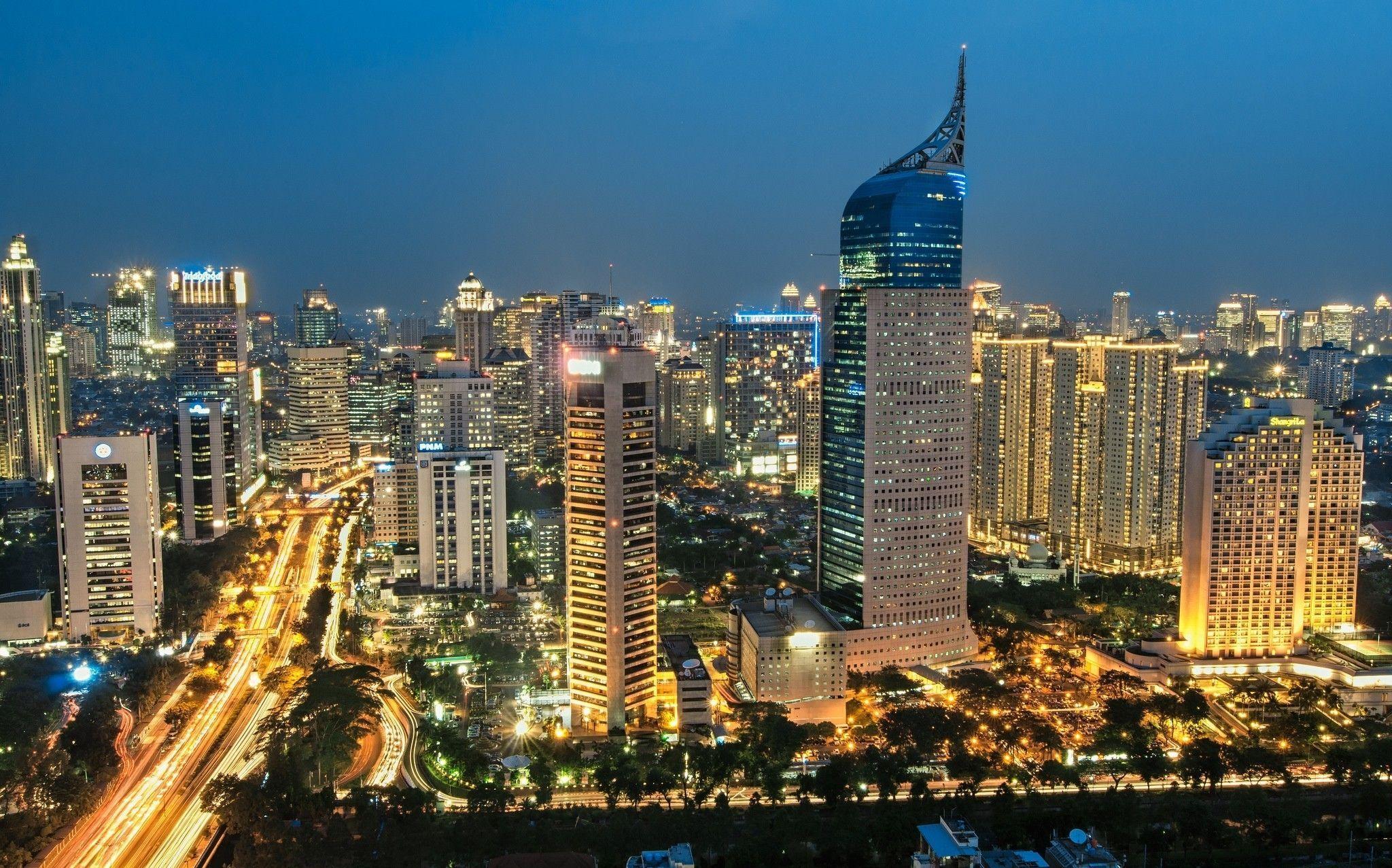
According to the World Urbanization Prospects 2025 report, the Indonesian capital, Jakarta, has officially overtaken Tokyo to become the world’s most populous metropolitan area. Current estimates place the population of the greater Jakarta agglomeration at approximately 42 million people—a figure that exceeds the total population of Ukraine. This shift is attributed not only to natural population growth but also to the refined methodology of the UN, which more accurately captures the true extent of the metropolitan footprint. This methodology could have theoretically positioned Jakarta as the global leader over a decade ago had standardized definitions existed at the time.
Following Jakarta, other major hubs continue to expand rapidly. Dhaka, Bangladesh, now hosts over 36 million residents, driven by a constant influx of people from rural regions. Tokyo, Japan, occupies the third position with approximately 33 million residents, maintaining its status as a massive urban center despite Japan’s broader demographic challenges.
Regional Dominance and Urban Growth
The 2026 data confirms that Asia remains the dominant force in global urbanization. Nine out of the ten most populous megacities are located in Asia, fueled by economic booms, rapid development, and migration. The list of the world’s most populous cities, based on World Population Review estimates, highlights the following scale of expansion:

- Shanghai, China: 24,722,254
- Delhi, India: 23,390,383
- Kinshasa, DR Congo: 21,852,144
- Mumbai, India: 21,782,818
- Beijing, China: 21,571,693
- Karachi, Pakistan: 21,243,390
- Shenzhen, China: 20,622,629
- Guangzhou, China: 18,515,410
- Kano, Nigeria: 17,510,247
- Chengdu, China: 15,831,571
While Asia holds the majority of these positions, African and South American cities are also rising in the ranks. Cairo, Egypt, is a major regional leader with over 25 million people, while São Paulo, Brazil, remains a consistent leader in South America with approximately 19 million residents. In North America, Mexico City continues to lead with over 17 million inhabitants.
Infrastructure and the Future of Planning
The proliferation of megacities—defined as cities with over 10 million residents—has been dramatic. In 1975, there were only eight such cities globally; by 2025, that number rose to 33. This growth is not merely a statistical curiosity but a living organism,
as described by urban researchers, where technology, environmental challenges, and cultural integration intersect. For example, in Jakarta, the reality of this growth includes the environmental challenge of rising sea levels, where the ocean is slowly reclaiming the land. In contrast, cities like Chongqing are characterized by vertical streets
and complex, multi-level architectural labyrinths.
The importance of architecture, urban planning, and state policy has never been higher. As these spaces continue to grow, the ability to create inclusive and sustainable environments will determine the quality of life for billions. For many, the search for stability outside these hyper-dense zones remains a priority. OBOZ.UA previously reported on alternative living options, noting that in regions like Italy, cities such as Trento are favored for their stability, order, and strong economy, while others like Bolzano attract those prioritizing nature and lower housing costs. These smaller centers serve as a counterpoint to the intense pressures facing the world’s largest megacities, where density in areas like Jakarta reaches approximately 8,600 people per square kilometer.
As the world celebrates World Population Day on July 11, the focus remains on these demographic trends. Whether through the lens of the UN or international analysts like those at World Population Review, the data confirms a singular truth: the planet is becoming increasingly urbanized, and the megacities of 2026 are the primary engines of the modern global economy.
Sources: Obozrevatel, Zaxid.net.