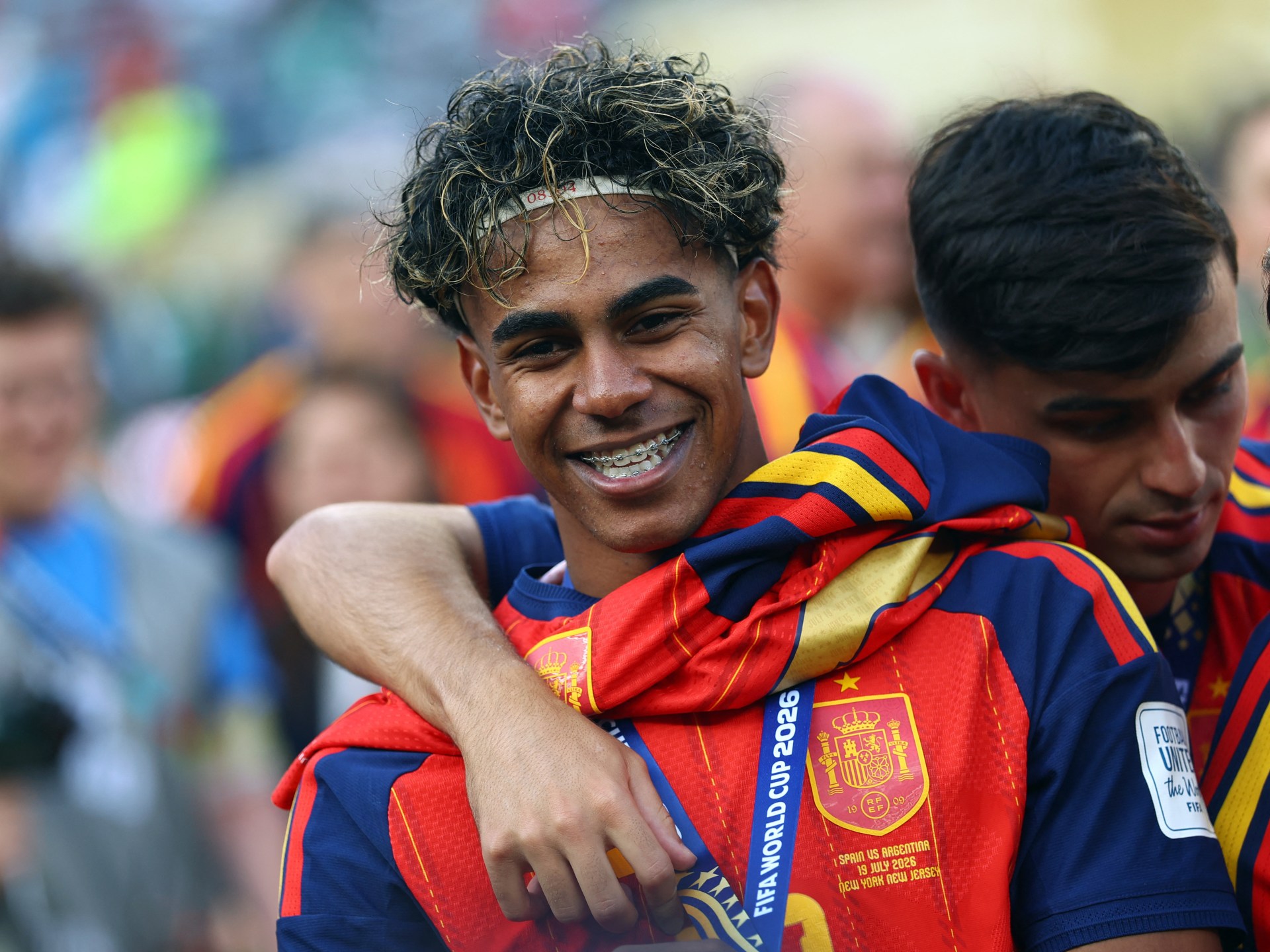
A Ferran Torres goal in extra time secured the victory for Spain, while Argentina’s Lionel Messi concluded his final tournament appearance in a match marked by significant on-field tension. The win capped an unbeaten run for Spain, which has now stretched to an incredible 38 games.
Luis de la Fuente built a 38-game unbeaten streak with a young Spanish squad
Spain’s Path to World Cup Victory
Spain’s journey to the championship was defined by a steady progression from a rocky start to a dominant finish. Thirty-four days before the final, the team began their campaign on June 11, 2026, with a scoreless draw against tournament debutants Cape Verde in Atlanta. That opening result prompted widespread skepticism regarding the squad’s potential. However, Spain remained unbeaten throughout the tournament, ultimately conceding only one goal across their entire run.
The team’s roster stood out for its youth, ranking as the sixth-youngest squad of the 48 teams competing with an average age of 26.19. Only six players on the roster were over the age of 30. Coach Luis de la Fuente relied on a core of young talent, including teenagers Pau Cubarsi and Lamine Yamal. This strategic emphasis on youth proved effective, as Spain navigated a challenging knockout stage that included victories over Portugal and Belgium. In those two matches, super-sub Mikel Merino came off the bench to score late winners to book Spain’s slot in the final four.
Ferran Torres and the Spain bench secured a 1-0 victory in New Jersey
Tactical Decisions in the Final
In the final held in New Jersey, Spain’s tactical consistency proved decisive. De la Fuente utilized second-half substitutions that ultimately had exactly the desired effect. Pedri was introduced shortly after the hour mark and seized control of the game, creating more chances than anyone else with four. Mikel Merino’s physicality provided a new attacking dimension, and Nico Williams was a far more direct threat than Alex Baena on the left flank.
For more on this story, see Spain Wins 2026 World Cup as Lamine Yamal Makes Historic Final Start.
The winning goal arrived in extra time when Williams teed up fellow substitute Ferran Torres with a perfect reverse, downward header. The victory underscored a period of success for Spanish football, as the team claimed the European Championship and World Cup back to back. Mikel Oyarzabal led the way for Spain in North America with five goals, while Merino and Pedro Porro each scored twice during the tournament.
Leandro Paredes and Lionel Messi drew criticism for Argentina’s conduct
Lionel Messi’s Final Match and Argentina’s Volatile Exit
The final match marked the conclusion of Lionel Messi’s World Cup career. As the final whistle sounded, the Argentina superstar was inconsolable, standing in touching distance of a historic second title in what many believe was his last match in the competition.

This follows our earlier report, Spain vs Argentina: Six Key Subplots That Could Decide 2026 World Cup Final.
While Messi was viewed by many as a tragic figure in his final appearance, the broader conduct of the Argentina squad throughout the competition drew criticism. During the final, Leandro Paredes was involved in a heated brawl as he pushed Eric Garcia to the ground during a spat. Reports from the final also noted that Messi attempted to get Spain star Pau Cubarsi sent off during the match, an incident that saw him blasted as “baby” by observers. Argentina’s fouls and controversies during the competition ended up giving them a bad name, transforming them into the ultimate villains of the saga.
Lionel Scaloni faces an uncertain future as Argentina manager
Legacy of the 2026 Tournament
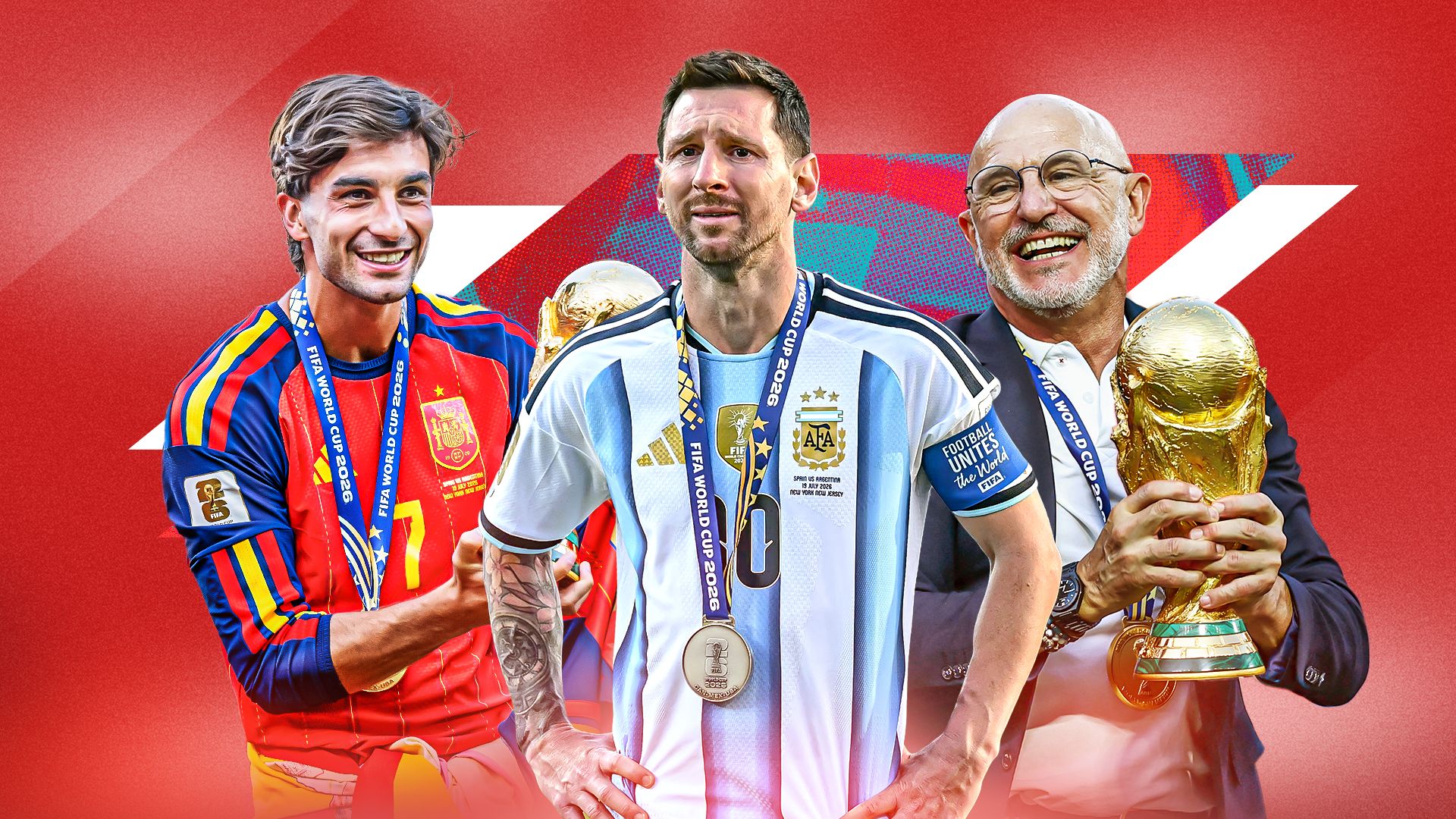
The tournament concluded with Spain establishing a reputation for cohesive football under De la Fuente, who has proven himself to be a tournament expert with both the youth ranks and the senior side. Analysts suggest that this relatively young squad could be capable of years of dominance, potentially signaling the start of another Spanish dynasty.
.jpg "Photo: Goal.com")
Read also: Spain Win World Cup as Donald Trump Refuses to Leave Trophy Stage.
As the football world moves past the 2026 event, the contrast between Spain’s tactical evolution and Argentina’s volatile finale serves as the defining narrative of the competition. While Spain celebrates a second World Cup title, the lasting image for many will remain the emotional departure of Messi, who finished his international tournament career without the final trophy he sought.
Related reading