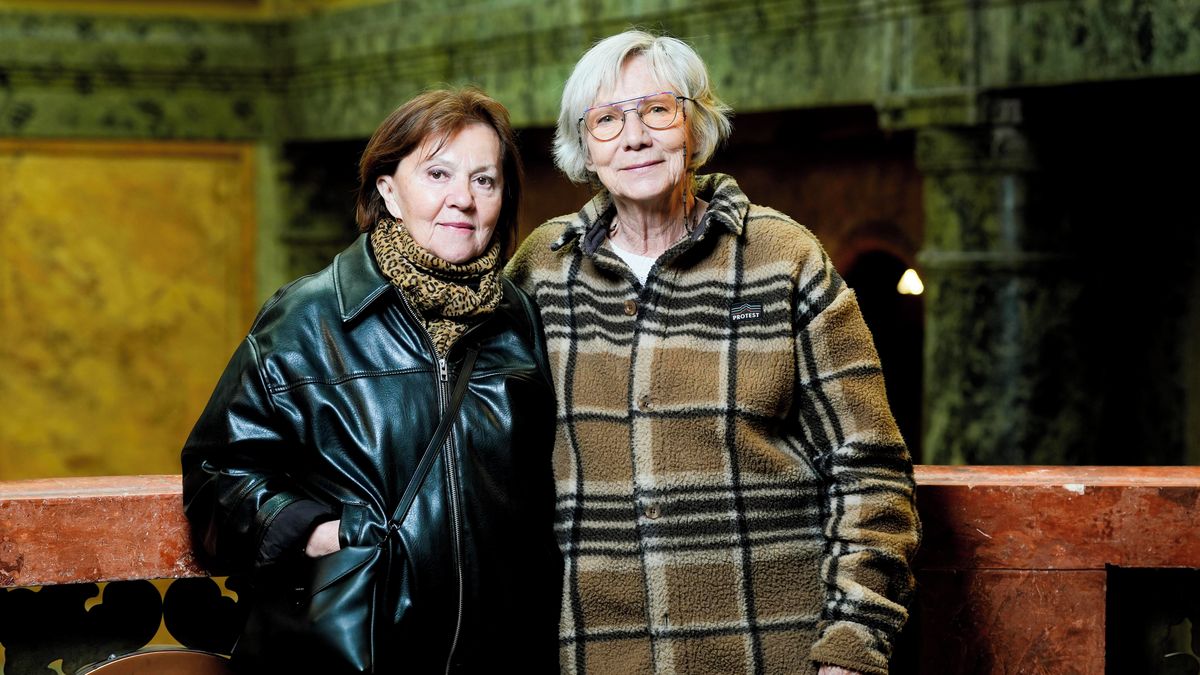
In the evolving landscape of contemporary Czech cinema, director Jan Svěrák—a name synonymous with Academy Award-winning storytelling—has recently unveiled his latest project, Pět švestek (Five Plums). The film, which explores the lives of senior citizens navigating the complexities of aging and personal freedom, has sparked significant conversation regarding its thematic choices, most notably the portrayal of drug use among its elderly protagonists. As the film makes its way into theaters, the discourse surrounding its narrative risks and stylistic execution continues to capture the attention of both critics and audiences alike.
The film centers on a group of elderly friends whose journey toward self-discovery takes an unconventional turn. For lead actresses Dana Syslová and Lenka Termerová, the script presented a departure from traditional roles, inviting them to engage with characters who are not afraid to challenge societal expectations. The actors have noted that the inclusion of unconventional habits, such as the use of marijuana, serves as a narrative device to highlight the characters’ desire to reclaim agency in their twilight years, potentially sparking curiosity among viewers who are accustomed to more traditional depictions of the elderly in domestic cinema.
A New Direction for Jan Svěrák
Jan Svěrák, whose career includes acclaimed works like Kolya and Dark Blue World, has long been a fixture of the European film scene. With Pět švestek, he returns to the screen with a story that attempts to bridge the gap between generational comedy and existential drama. However, the film’s reception has been notably polarized, with critics debating whether the director’s attempt to modernize his storytelling resonates with his established audience or if it strays too far from the humanistic warmth that defined his earlier successes. According to reports from Czech Radio (iROZHLAS), the film has faced scrutiny regarding its pacing and thematic consistency, with some reviewers suggesting that the narrative lacks the cohesive emotional arc found in his previous collaborations with his father, Zdeněk Svěrák.
The production process itself was not without its challenges. During the filming process, which took the crew to coastal locations, the cast faced significant physical hardships. It has been documented that one of the lead actresses struggled with a painful health condition while shooting on location, a testament to the dedication required to bring this complex story to the screen under demanding circumstances. Such behind-the-scenes realities often add a layer of poignancy to the final product, though they do not necessarily shield a film from critical evaluation regarding its artistic merit.
Thematic Exploration: Aging and Agency
At its core, Pět švestek attempts to dissect the concept of “the golden years” by stripping away the veneer of polite society. The decision to portray characters who experiment with substances is a deliberate attempt to portray the elderly as multi-dimensional individuals with their own desires, frustrations, and rebellious streaks. This thematic choice aims to provoke a reaction, forcing the audience to confront their own biases regarding how the elderly should behave, live, and find joy.
However, the execution of these themes remains a point of contention. While some viewers may appreciate the audacity of the script, others have argued that the film struggles to balance its comedic aspirations with its more serious undertones. The challenge of depicting such sensitive topics is that they require a delicate touch to avoid becoming caricatures. Whether the film succeeds in its mission to humanize these characters or merely relies on shock value is a question that remains at the heart of current discussions in Czech cultural media, as noted in recent critiques published by Seznam Zprávy.
Professional Perspectives and Industry Impact
As a sports journalist who appreciates the discipline of preparation and the unpredictability of live action, I find the parallels in filmmaking to be quite striking. Just as an athlete must balance aggressive strategy with controlled execution, a director must balance bold narrative choices with a coherent vision. The involvement of professionals like František Svěrák—who has contributed to the technical side of the production—highlights the collaborative nature of this project. His insights into the editing and camera work, often shared through platforms like Český rozhlas Dvojka, offer a glimpse into the technical hurdles the team faced during the production.
The film’s impact on the current cinematic season is still being measured. It’s not uncommon for legacy directors to experiment with new tones, and such efforts often serve as a catalyst for wider industry conversations about the role of aging in media. Regardless of individual critical reception, the film has successfully centered its elderly protagonists in a way that is rarely seen in mainstream commercial releases, ensuring that the dialogue around these characters continues long after the credits roll.
Looking Ahead: The Cinematic Calendar
For those interested in the ongoing trajectory of Czech cinema and the reception of Pět švestek, the coming months will likely see further analysis from film festivals and academic circles. As the film completes its initial theatrical run, industry analysts will be watching to see how it performs in terms of audience engagement and its influence on future projects that tackle similar subjects. The next major checkpoint for the film will be its release on digital streaming platforms and potential inclusion in upcoming regional award circuits, where the performances of Syslová and Termerová may receive further recognition.
Cinema, much like sport, is a subjective experience that thrives on debate. Whether Pět švestek is viewed as a bold step forward or a misstep in a storied career, it is undeniably a project that refuses to be ignored. I invite our readers to share their thoughts on these themes; how do you feel about the way modern media portrays the aging process? Join the conversation in the comments section below, and stay tuned to World Today Journal for more updates on international film and cultural developments.
Keep reading