The Japanese Citrus Fruit That May Help Prevent Cancer Before It Starts
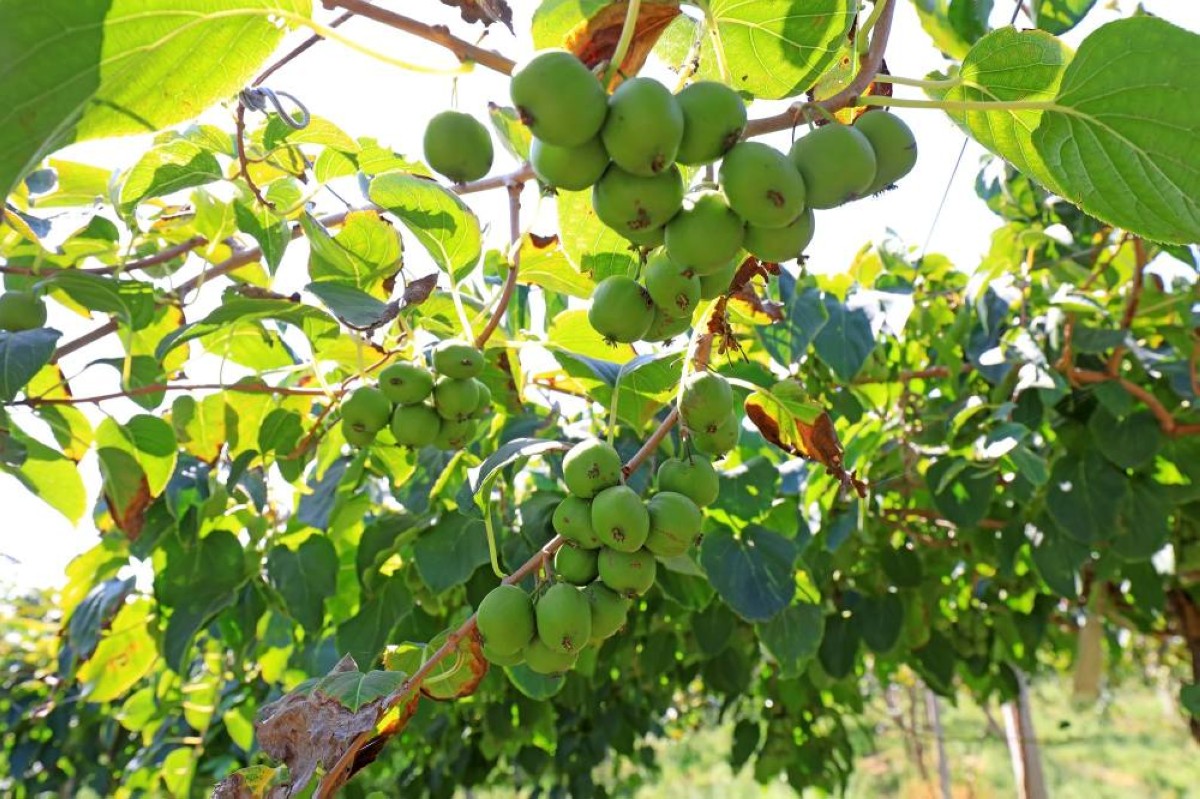
In the lush orchards of southern Japan, a modest, bumpy citrus fruit with a fragrance reminiscent of grapefruit and mandarin is quietly gaining attention for its potential role in cancer prevention. Known as yuzu (Citrus junos), this ancient fruit—once believed to ward off evil spirits—is now the subject of modern scientific research suggesting it may help inhibit the development of cancer before it even begins. While no single food can prevent cancer, emerging studies indicate that yuzu’s unique blend of antioxidants, flavonoids, and other bioactive compounds could play a supportive role in reducing cancer risk when part of a balanced diet.
For centuries, yuzu has been a staple in Japanese cuisine and traditional medicine, prized for its aromatic zest and tart juice. But its potential health benefits extend far beyond its culinary uses. Recent research, including studies published in peer-reviewed journals, highlights yuzu’s ability to combat oxidative stress and inflammation—two key factors in the development of cancer. Unlike more common citrus fruits like oranges or lemons, yuzu contains higher concentrations of certain compounds, such as limonoids and polymethoxyflavones, which have been linked to anti-cancer properties in laboratory and animal studies. While human trials are still limited, the findings are promising enough to warrant a closer look at this unassuming fruit.
As global interest in preventive health grows, yuzu is emerging as a potential ally in the fight against cancer. But what does the science say, and how might this fruit fit into a broader strategy for reducing cancer risk? Here’s what we know so far.
What Is Yuzu?
Yuzu is a hybrid citrus fruit believed to have originated in China over 1,200 years ago before spreading to Japan and Korea, where it became a cultural and culinary cornerstone. Smaller than a grapefruit—typically measuring 2 to 3 inches in diameter—yuzu has a thick, uneven rind that ranges from green to bright yellow, depending on its ripeness. Its flavor is a complex blend of tart, sweet, and floral notes, making it a versatile ingredient in everything from sauces and marinades to desserts and teas.
Nutritionally, yuzu is a powerhouse. According to registered dietitian Christine Gillespie, a single yuzu fruit contains just 20 calories but packs a punch with fiber, sodium, magnesium, manganese, and a significant dose of vitamin C—an essential nutrient for immune function and skin health. But what sets yuzu apart from other citrus fruits is its high concentration of bioactive compounds, including:

- Antioxidants: Yuzu is rich in antioxidants like vitamin C and flavonoids, which help neutralize free radicals—unstable molecules that can damage cells and contribute to cancer development.
- Limonoids: These compounds, found in the peel and juice of yuzu, have been shown in laboratory studies to inhibit the growth of cancer cells and induce apoptosis (programmed cell death) in certain types of tumors.
- Polymethoxyflavones (PMFs): Unique to citrus fruits, PMFs have demonstrated anti-inflammatory and anti-cancer effects in preclinical research, particularly in breast and prostate cancer models.
- Carotenoids: These pigments, which give yuzu its vibrant color, have been linked to reduced risks of certain cancers, including lung and skin cancers.
While yuzu is not a magic bullet, its nutritional profile suggests it could be a valuable addition to a cancer-preventive diet. But how exactly do these compounds work to reduce cancer risk?
The Science Behind Yuzu and Cancer Prevention
Cancer develops through a complex interplay of genetic, environmental, and lifestyle factors, but one of the most well-established contributors is chronic inflammation. Prolonged inflammation can damage DNA, promote the growth of abnormal cells, and create an environment conducive to tumor formation. This is where yuzu’s bioactive compounds come into play.
1. Combating Oxidative Stress
Oxidative stress occurs when there’s an imbalance between free radicals and antioxidants in the body. Free radicals are highly reactive molecules that can damage cellular structures, including DNA, proteins, and lipids. Over time, this damage can lead to mutations that may trigger cancer. Yuzu’s high antioxidant content—particularly vitamin C and flavonoids—helps neutralize free radicals, reducing oxidative stress and potentially lowering cancer risk.
A 2018 study published in the Journal of Agricultural and Food Chemistry found that yuzu peel extract exhibited strong antioxidant activity, outperforming other citrus fruits like lemon and grapefruit in laboratory tests. The researchers attributed this to yuzu’s unique combination of flavonoids and phenolic compounds, which work synergistically to scavenge free radicals. While these findings are based on in vitro (lab-based) studies, they provide a foundation for further research into yuzu’s potential role in cancer prevention.
2. Anti-Inflammatory Effects
Chronic inflammation is a known risk factor for several types of cancer, including colorectal, liver, and pancreatic cancers. Yuzu contains compounds like limonoids and PMFs that have been shown to reduce inflammation in animal and cell studies. For example, a 2020 study in the Journal of Nutritional Biochemistry demonstrated that yuzu extract reduced markers of inflammation in mice with colitis, a condition linked to an increased risk of colorectal cancer. The researchers suggested that yuzu’s anti-inflammatory effects could be due to its ability to inhibit the production of pro-inflammatory cytokines, signaling molecules that promote inflammation.
3. Inhibiting Cancer Cell Growth
Perhaps the most compelling area of research involves yuzu’s potential to inhibit the growth of cancer cells. Limonoids, a class of compounds found in yuzu, have been studied for their ability to induce apoptosis (programmed cell death) in cancer cells. A 2019 study in Cancer Letters found that limonoids extracted from yuzu peel inhibited the growth of human breast cancer cells in laboratory settings. The researchers noted that these compounds appeared to target multiple pathways involved in cancer cell survival, making them a promising candidate for further study.

Similarly, polymethoxyflavones (PMFs) in yuzu have been shown to suppress the proliferation of prostate cancer cells in preclinical models. A 2021 study in Molecular Nutrition & Food Research reported that PMFs from yuzu peel reduced the growth of prostate cancer cells by interfering with cell signaling pathways that promote tumor development. While these results are preliminary and based on laboratory and animal studies, they suggest that yuzu’s compounds may have a role to play in cancer prevention.
4. Enhancing Immune Function
A robust immune system is critical for identifying and destroying abnormal cells before they can develop into cancer. Vitamin C, which yuzu contains in abundance, is well-known for its immune-boosting properties. Some research suggests that flavonoids in yuzu may enhance the activity of natural killer (NK) cells, a type of white blood cell that plays a key role in the body’s defense against cancer.
While the majority of research on yuzu and cancer prevention is still in its early stages, the existing evidence points to a fruit with significant potential. However, it’s important to note that most studies have been conducted in laboratories or on animals, and human trials are needed to confirm these effects. As with any dietary approach to cancer prevention, yuzu should be viewed as part of a broader strategy that includes a balanced diet, regular exercise, and avoidance of known carcinogens like tobacco and excessive alcohol.
How to Incorporate Yuzu Into Your Diet
Yuzu is not as widely available as other citrus fruits, but it can be found in specialty grocery stores, Asian markets, and online retailers, often in the form of fresh fruit, juice, or zest. Here are some ways to enjoy yuzu while reaping its potential health benefits:
- Yuzu Zest: The peel of yuzu is particularly rich in limonoids and flavonoids. Use the zest to add a bright, citrusy flavor to dishes like salads, seafood, or desserts. A little goes a long way—just a teaspoon can elevate a dish.
- Yuzu Juice: The juice can be used in place of lemon or lime juice in dressings, marinades, or cocktails. It’s likewise a popular ingredient in Japanese ponzu sauce, a tangy condiment often served with sashimi or grilled meats.
- Yuzu Tea: In Japan and Korea, yuzu tea is a popular beverage made by mixing yuzu juice or peel with honey and hot water. It’s often enjoyed for its soothing properties and immune-boosting effects.
- Yuzu-Infused Dishes: Yuzu pairs well with a variety of foods, from seafood and poultry to rice dishes and sweets. Try adding yuzu zest to baked goods, or use the juice to make a refreshing sorbet.
For those who can’t find fresh yuzu, yuzu paste or powdered yuzu peel are convenient alternatives. However, be mindful of added sugars or preservatives in processed products. When possible, opt for fresh or minimally processed yuzu to maximize its nutritional benefits.
Limitations and Considerations
While the potential benefits of yuzu are exciting, it’s important to approach the research with a critical eye. Here are a few key considerations:
1. Human Studies Are Limited
Most of the research on yuzu and cancer prevention has been conducted in laboratories or on animals. While these studies provide valuable insights, they do not always translate to the same effects in humans. Human trials are needed to confirm whether yuzu’s compounds can effectively reduce cancer risk in people.
2. Dosage Matters
The amount of yuzu used in studies is often much higher than what a person might consume in a typical diet. For example, some laboratory studies use concentrated extracts of yuzu peel, which contain far more bioactive compounds than a single fruit. This makes it difficult to determine how much yuzu a person would need to eat to achieve potential cancer-preventive effects.
3. Diet Is Just One Piece of the Puzzle
No single food can prevent cancer, and yuzu is no exception. Cancer prevention requires a multifaceted approach that includes a balanced diet rich in fruits, vegetables, whole grains, and lean proteins, as well as regular physical activity, maintaining a healthy weight, and avoiding known carcinogens like tobacco and excessive alcohol. Yuzu can be a part of this strategy, but it should not be relied upon as a standalone solution.
4. Potential Allergies and Interactions
As with any citrus fruit, yuzu may cause allergic reactions in some individuals, particularly those with sensitivities to other citrus fruits. Yuzu contains compounds that could interact with certain medications, such as blood thinners or chemotherapy drugs. If you have a medical condition or are taking medication, it’s always a good idea to consult with a healthcare provider before making significant changes to your diet.
Global Efforts in Cancer Prevention: Where Does Yuzu Fit In?
Cancer remains one of the leading causes of death worldwide, with an estimated 19.3 million new cases and 10 million deaths in 2020 alone, according to the World Health Organization (WHO). While advances in treatment have improved survival rates for many types of cancer, prevention remains a critical focus for public health organizations. The WHO’s global action plan for the prevention and control of noncommunicable diseases aims to reduce premature deaths from cancer by 25% by 2025, with a strong emphasis on lifestyle interventions, including diet.

foods like yuzu that are rich in bioactive compounds could play a supportive role in cancer prevention strategies. However, public awareness of cancer risk factors and preventive measures remains a challenge. For example, a 2022 survey conducted by the UAE Ministry of Health and Prevention found that only 58% of respondents had a good understanding of cancer and its risk factors. This highlights the need for continued education and outreach to empower individuals to make informed choices about their health.
Yuzu’s potential benefits are just one piece of a much larger puzzle. Other dietary strategies for reducing cancer risk include:
- Eating a variety of fruits and vegetables: Different colors and types of produce contain unique combinations of vitamins, minerals, and antioxidants that may help protect against cancer.
- Limiting processed and red meats: The WHO has classified processed meats as carcinogenic and red meats as probably carcinogenic, particularly for colorectal cancer.
- Choosing whole grains over refined grains: Whole grains are rich in fiber, which has been linked to a reduced risk of colorectal cancer.
- Avoiding sugary drinks and excessive alcohol: Both have been associated with an increased risk of several types of cancer, including breast and liver cancers.
While yuzu is not a cure-all, its potential to contribute to cancer prevention underscores the importance of dietary diversity and the need for further research into the health benefits of lesser-known foods.
The Future of Yuzu Research
As interest in yuzu grows, so too does the need for more rigorous scientific investigation. Future research should focus on:
- Human clinical trials: To determine whether yuzu’s compounds can effectively reduce cancer risk in people, as well as to establish safe and effective dosages.
- Mechanistic studies: To better understand how yuzu’s bioactive compounds interact with cellular pathways involved in cancer development.
- Epidemiological studies: To explore the relationship between yuzu consumption and cancer incidence in populations where the fruit is a dietary staple.
In the meantime, yuzu offers a delicious and nutritious way to add variety to your diet. Whether enjoyed as a zesty garnish, a tangy juice, or a soothing tea, this ancient fruit is a reminder that nature’s pharmacy is vast—and that sometimes, the most powerful health allies come in small, unassuming packages.
Key Takeaways
- Yuzu (Citrus junos) is a small, aromatic citrus fruit native to East Asia, prized for its unique flavor and potential health benefits.
- The fruit is rich in antioxidants, flavonoids, limonoids, and polymethoxyflavones, which have been linked to anti-cancer properties in laboratory and animal studies.
- Yuzu’s compounds may help combat oxidative stress, reduce inflammation, inhibit cancer cell growth, and enhance immune function.
- While promising, most research on yuzu and cancer prevention is still in its early stages, and human trials are needed to confirm these effects.
- Yuzu can be incorporated into the diet in various ways, including as zest, juice, or tea, but it should be viewed as part of a broader cancer-preventive strategy.
- Global efforts to reduce cancer risk emphasize the importance of a balanced diet, regular exercise, and avoidance of known carcinogens.
What’s Next?
As research into yuzu and its potential health benefits continues, the scientific community will be watching closely for the results of human clinical trials. In the meantime, public health organizations worldwide are ramping up efforts to educate communities about cancer prevention, with a focus on early detection and healthy lifestyle choices. The next World Cancer Day, observed annually on February 4, will likely highlight new initiatives and research findings aimed at reducing the global burden of cancer.
For now, yuzu remains a fascinating example of how traditional foods can offer modern health benefits. Whether you’re a culinary enthusiast or simply looking to diversify your diet, this humble citrus fruit is worth exploring—one tangy, fragrant bite at a time.
What are your thoughts on the potential health benefits of yuzu? Have you tried this fruit before? Share your experiences in the comments below, and don’t forget to share this article with friends and family who might be interested in learning more about cancer-preventive foods.
Keep reading