The Curious Case of Jellycat: How a Plush Toy Became a Symbol of Chinese Youth Frustration (and a Collectible Craze)
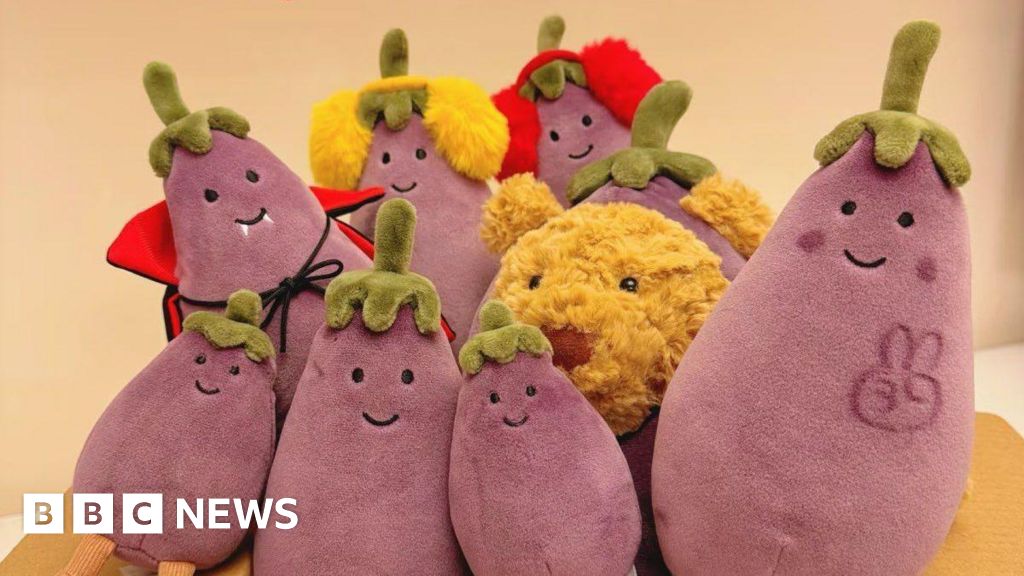
Jellycat, the British plush toy maker, has become a surprising cultural phenomenon in China. More than just cuddly companions,these toys – particularly the aubergine design affectionately dubbed “the boss” by Chinese fans – have tapped into a deeper current of anxieties surrounding economic pressures and the realities of modern adult life. This article explores the rise of Jellycat in china, its connection to social commentary, and whether the craze is beginning to wane.
From Cute Plushies to Digital Confessions
The popularity of Jellycat in China isn’t simply about aesthetics. it’s about finding a safe, lighthearted outlet for expressing frustrations in a society were open criticism can be risky. the aubergine Amuseable, in particular, has become a canvas for relatable memes.
* Fans are sharing their struggles with work-life balance and economic uncertainty.
* A popular hashtag on RedNote features drawings on the plushies depicting various moods – exhaustion, forced smiles, and even the simple act of enjoying a drink.
Wendy Hui, a marketing professional from Hong Kong, perfectly illustrates this trend. She modified her aubergine Amuseable with dark circles and glasses, posting a picture on Threads with the caption: ”The mental state of workers on Monday.” She explained she wanted to visually represent her exhaustion from constantly working, even during time off.
This resonates with a generation facing a slowing economy where hard work doesn’t always translate into proportional rewards. Despite censorship, the internet remains a vital space for these conversations, and Jellycat provides a subtle, yet powerful, vehicle for expression.
The “Hunger Marketing” Strategy & The Thrill of the Hunt
Jellycat’s business model has also fueled its popularity. the brand frequently releases limited-edition products and retires designs, a tactic many in China call “hunger marketing.” This creates a sense of scarcity and drives demand.
Here’s how the strategy plays out:
- Limited Releases: New designs appear sporadically, creating anticipation.
- Retirements: Popular designs are discontinued, increasing their perceived value.
- The Hunt: Fans actively search department stores and self-reliant shops,both domestically and while traveling abroad.
- “Daigou” Agents: Many rely on overseas shopping agents (“daigou”) to secure rare items.
Consequently, rare Jellycats can fetch prices exceeding $1,400, becoming status symbols for dedicated collectors. Though, for many, a Jellycat remains an affordable comfort.
An Accessible Luxury in a Challenging Economy
In a climate of economic uncertainty, Jellycat offers a relatively inexpensive form of self-care. Jessie Chen, a medical sales representative, explains the appeal: “You have to consider for a long time before buying a luxury bag. but you don’t need to do that for a Jellycat.”
The brand even offers practical, affordable bags – costing just tens of US dollars – that are changing how some young Chinese consumers think about luxury. These items provide a sense of attainable indulgence amidst broader economic anxieties. China’s youth unemployment rate, while easing slightly, remains high (above 17% as of recent reports), making accessible luxuries like Jellycat particularly appealing.
Is the Jellycat Craze Cooling Down?
Recent observations suggest the peak of Jellycat mania in China may be passing. Social media discussions surrounding the toys appear to be diminishing.
Some fans, like Ms. Hui, are seeking new thrills with “blind boxes” – toys where the contents are unknown until opened – as a more exciting and affordable alternative. She’s even contemplating “quitting the pit,” a Chinese slang term for abandoning a hobby.
The difficulty of acquiring Jellycats is also contributing to the shift. As Stella, another fan, put it: “It is so arduous to buy them. Our daily life is not easy already and why should we make things harder for ourselves?”
Ultimately, the Jellycat story in China is a captivating case study in how a simple product can become intertwined with complex social and economic realities. While the initial fervor may be subsiding, the brand’s impact on chinese youth culture is
Worth a look