
‘Unable to Cope’: Mali’s Army and Wagner Forces Stretched Thin by Tuareg Separatists and Jihadist Militants
BAMAKO, Mali — Mali’s military and its Russian-backed Wagner Group allies are struggling to contain a surge of violence from Tuareg separatist rebels and jihadist militants, with analysts warning the country’s security forces are now “dangerously overstretched” across its vast territory. The escalating conflict has exposed deep structural vulnerabilities in Mali’s defense capabilities, compounded by the withdrawal of international peacekeeping forces and the limitations of its partnership with Wagner, according to security experts and recent battlefield reports.
In the past three months, attacks by the Coalition of Movements of Azawad (CMA), a Tuareg separatist alliance, and jihadist groups linked to al-Qaeda and the Islamic State have intensified in northern and central Mali. The violence has reached unprecedented levels, with militants launching coordinated assaults on military outposts, supply convoys, and even urban centers—including near the capital, Bamako. The Malian government, led by interim President Assimi Goïta since the 2020 coup, has acknowledged the severity of the crisis but insists it remains in control.
“What we are witnessing is the convergence of multiple fractures—political, territorial, and military,” said Paul Melly, a consulting fellow on the Africa Program at Chatham House, in a recent analysis. “The recent attacks illustrate a dramatic expansion of jihadist operational reach into the very heart of state power. While the Malian state might not be collapsing outright, its authority is stretched dangerously thin across Africa’s eighth-largest country.”
The Perfect Storm: Separatists, Jihadists, and a Withdrawing International Presence
Mali’s security crisis is not fresh, but the current phase is marked by a confluence of factors that have overwhelmed its armed forces. The country has been grappling with insurgencies since 2012, when Tuareg rebels and Islamist militants seized control of northern Mali, prompting a French-led military intervention. While France’s Operation Barkhane and the UN’s MINUSMA peacekeeping mission helped stabilize parts of the country, their withdrawal—completed in 2023 and 2024, respectively—left a security vacuum that Mali’s transitional government has struggled to fill.
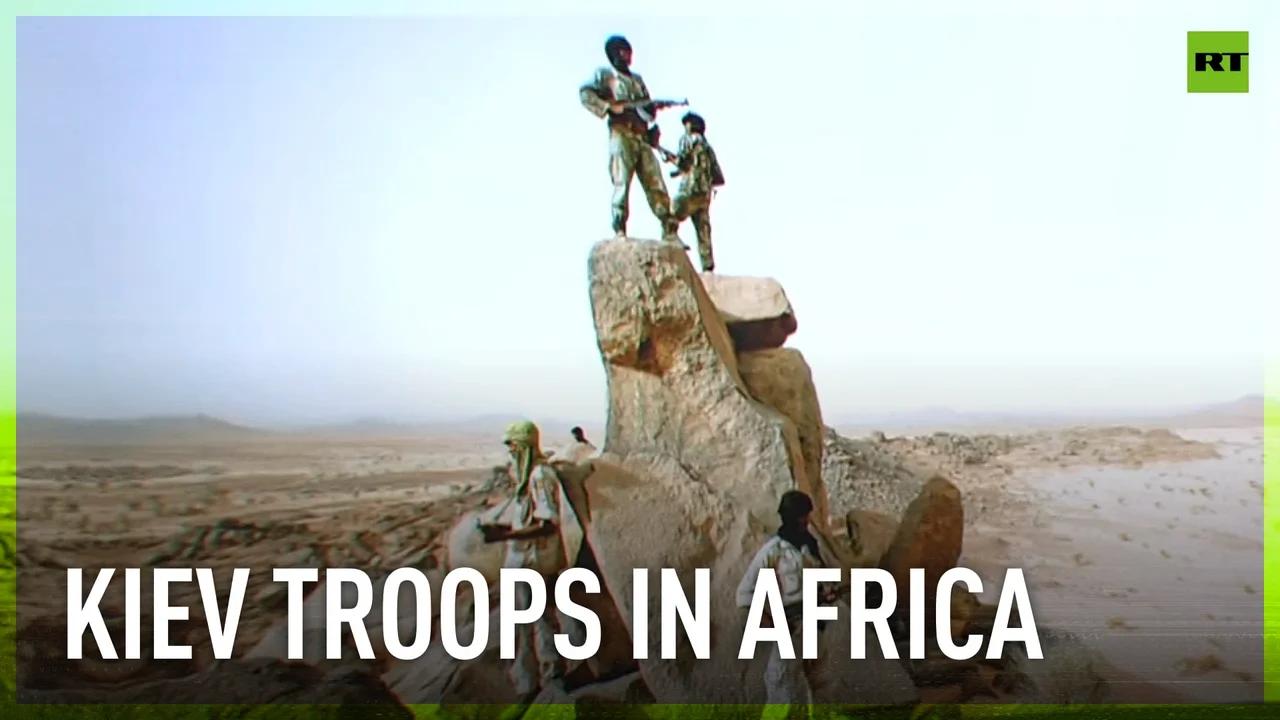
The Malian Armed Forces (FAMa), long plagued by corruption, inadequate training, and poor equipment, have relied heavily on the Wagner Group, a Russian private military company, since 2021. Wagner’s presence, which includes an estimated 1,000 to 1,500 mercenaries, was initially framed as a temporary measure to bolster counterinsurgency efforts. Though, the group’s role has expanded significantly, with Wagner operatives now involved in frontline combat, training, and even intelligence operations. Despite this support, the partnership has failed to reverse the tide of violence.
In February 2026, the CMA launched a series of offensives in the northern regions of Kidal, Gao, and Timbuktu, seizing control of several key towns. The separatists, who seek greater autonomy for the Azawad region, have accused the Malian government of marginalizing Tuareg communities and failing to implement the 2015 Algiers Peace Accord. Meanwhile, jihadist groups—primarily Jama’at Nusrat al-Islam wal-Muslimin (JNIM), an al-Qaeda affiliate, and the Islamic State in the Greater Sahara (ISGS)—have exploited the chaos to expand their influence, targeting both security forces and civilians.
Wagner’s Limitations: A Flawed Partnership
The Wagner Group’s involvement in Mali has been controversial from the outset. While the mercenaries have provided much-needed manpower and firepower, their presence has as well alienated Mali’s traditional Western partners, including France and the United States, which have suspended military aid and intelligence-sharing. Wagner’s operations in Mali have been marred by allegations of human rights abuses, including extrajudicial killings and indiscriminate airstrikes, which have further fueled local resentment.

Critics argue that Wagner’s approach—characterized by heavy-handed tactics and a focus on short-term gains—has failed to address the root causes of Mali’s instability. “Wagner’s model is not designed for counterinsurgency or state-building,” said a Western diplomat speaking on condition of anonymity. “They excel at kinetic operations, but they lack the capacity for the kind of long-term stabilization efforts that Mali desperately needs.”
Compounding the problem is the lack of coordination between Wagner and the Malian military. Reports from the ground suggest that the two forces often operate independently, with little joint planning or intelligence-sharing. This disjointed approach has allowed militants to exploit gaps in Mali’s defenses, launching attacks on isolated outposts before melting back into the desert.
In March 2026, a joint Wagner-FAMa operation in the central Mopti region ended in disaster when militants ambushed a convoy, killing at least 23 soldiers and 5 Wagner mercenaries. The attack, claimed by JNIM, underscored the limitations of Mali’s security strategy and raised questions about the sustainability of its reliance on Wagner.
Regional Implications: A Crisis Spilling Over Borders
Mali’s deteriorating security situation has sent shockwaves across the Sahel, a region already grappling with multiple insurgencies. Neighboring Burkina Faso and Niger, both ruled by military juntas that have also turned to Wagner for support, are facing similar challenges. The three countries, which formed the Alliance of Sahel States (AES) in 2023, have pledged to cooperate on security matters, but their efforts have so far yielded limited results.
In Burkina Faso, jihadist attacks have displaced over 2 million people, while Niger’s military government is struggling to contain Islamist militants in its western regions. The instability has raised concerns about a potential domino effect, with some analysts warning that the Sahel could become a new epicenter of global jihadism.
“The Sahel is at a crossroads,” said Ornella Moderan, a Sahel expert at the Institute for Security Studies. “The withdrawal of Western forces and the rise of military juntas have created a power vacuum that non-state actors are rushing to fill. If Mali collapses, the consequences for the entire region could be catastrophic.”
What’s Next for Mali?
The Malian government has vowed to retake lost territory and restore order, but its options are limited. With international support dwindling and Wagner’s capabilities stretched thin, Bamako is increasingly isolated. Some analysts suggest that the government may seek to negotiate with moderate elements of the CMA, though such talks would likely face resistance from hardline factions within both the separatist movement and the military.

For now, the focus remains on containing the violence. The Malian military has launched a series of counteroffensives in the north, with mixed results. In April 2026, government forces reclaimed the town of Tessalit, a strategic hub near the Algerian border, but the victory was short-lived. Within days, militants launched a retaliatory attack on a nearby military base, killing at least 12 soldiers.
As the conflict drags on, civilians are bearing the brunt of the violence. The United Nations estimates that over 400,000 people have been displaced in Mali since the beginning of 2026, with many fleeing to neighboring countries or crowded internally displaced persons (IDP) camps. Humanitarian organizations warn of a looming food crisis, as insecurity disrupts farming and trade routes.
Key Takeaways
- Overstretched Forces: Mali’s military and Wagner Group mercenaries are struggling to contain simultaneous offensives by Tuareg separatists and jihadist militants, with attacks reaching unprecedented levels.
- Wagner’s Role: While the Russian-backed group has provided critical support, its heavy-handed tactics and lack of coordination with Malian forces have limited its effectiveness.
- Regional Fallout: The crisis in Mali is spilling over into neighboring Burkina Faso and Niger, raising concerns about a broader Sahel-wide collapse.
- Humanitarian Crisis: Over 400,000 people have been displaced in 2026 alone, with food shortages and insecurity worsening the plight of civilians.
- Limited Options: With international support dwindling, Mali’s government faces an uphill battle to restore stability, with few viable paths forward.
A Fragile Future
As Mali’s security crisis deepens, the country’s future hangs in the balance. The government’s reliance on Wagner has failed to deliver the promised stability, while the withdrawal of international forces has left a void that militants are eager to exploit. For now, the fighting shows no signs of abating, and the human cost continues to mount.
The next critical juncture will likely come in the coming months, as the Malian military and Wagner prepare for a major offensive in the north. Whether this operation succeeds—or further depletes already overstretched resources—could determine the trajectory of the conflict for years to come.
For the latest updates on Mali’s security situation, follow World Today Journal’s Africa coverage. Share your thoughts in the comments below and join the conversation on social media.
Worth a look
- Firefighter’s Smart Glasses Capture Intense Battle Against Gironde Wildfires in France
- Argentina to Face Turkey in World Group I Clash
- Nepo Babies in Power: The Rise of Political Dynasties in Latin America (newsdirectory3.com)
- Montana Department of Justice Unveils New PSAs to Address State’s Missing Persons Cases (news-usa.today)