
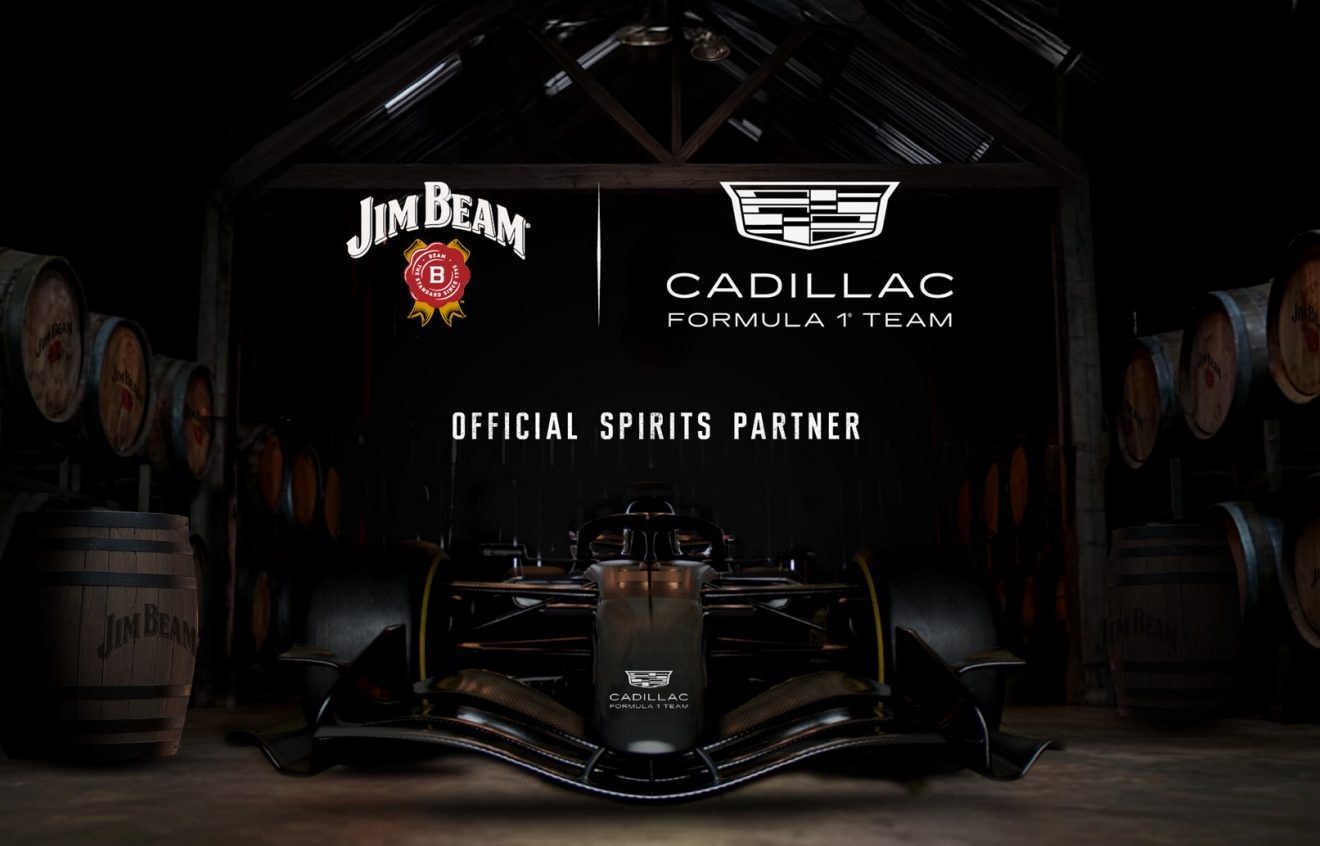
Jim Beam’s strategic partnership with the Cadillac Formula One team underscores a broader industry push to expand the global footprint of American bourbon. By aligning with one of the most technologically intensive sports on the international circuit, the whiskey brand aims to increase its visibility among a diverse, high-spending demographic. This collaboration marks a significant effort by Suntory Global Spirits, the parent company of Jim Beam, to cultivate new consumer bases in regions where bourbon consumption currently remains a niche market.
The global spirits industry is increasingly looking toward sports sponsorships as a primary vehicle for brand growth. According to data from the Distilled Spirits Council of the United States (DISCUS), American whiskey exports have consistently grown, with total U.S. spirits exports reaching $2.2 billion in 2023, reflecting a sustained international demand for American-made products. For a brand like Jim Beam, the Cadillac F1 partnership provides a high-profile platform to reach international fans who may be less familiar with the nuances of bourbon compared to more established spirits in markets like Asia and Europe.
The Synergy of Automotive and Distilling Heritage
The connection between Jim Beam and Cadillac is presented by the brand as a reflection of shared American heritage. Historical accounts from the distillery note that Jim Beam, the distiller, frequently drove a Cadillac to work during his tenure. This narrative serves as the foundation for the current marketing alignment, emphasizing a legacy of craftsmanship that both companies claim to represent. As noted by the company, the partnership is not merely transactional; it is designed to leverage the “American ingenuity” associated with both the automotive and spirits sectors.
However, the collaboration arrives at a time when the alcohol industry faces evolving consumption patterns. Research from the International Wine and Spirit Record (IWSR) indicates that while total volume for spirits has faced headwinds, there is a notable shift toward “premiumization,” where consumers opt for higher-quality, more expensive products. By associating with Formula One, a sport often characterized by luxury and high performance, Jim Beam is positioning its premium lines to appeal to consumers who prioritize brand prestige and production standards.
Reaching a Global Fanbase
Formula One’s expansion into new markets, including significant growth in the United States and continued dominance in Europe and Asia, makes it an attractive partner for beverage brands seeking to diversify their reach. The sport’s audience has grown significantly, with Formula One reporting a cumulative television audience of 1.5 billion for the 2023 season. For Suntory Global Spirits, this reach provides an opportunity to normalize bourbon consumption in markets like China and India, where historical preferences have leaned toward other spirits, such as Scotch whisky or local baijiu.
The strategy aligns with industry reports suggesting that the future growth of American whiskey is heavily dependent on international adoption. Industry analysts at Rabobank have previously highlighted that emerging market middle-class expansion is a key driver for long-term category growth. By integrating into the Cadillac F1 team’s ecosystem, Jim Beam is effectively attempting to “diversify its egg distribution,” moving beyond its traditional stronghold in North America to capture a share of the global premium spirits market.
The Role of Responsible Consumption
A central challenge for any alcohol brand partnering with a racing series is the inherent contradiction between drinking and the high-speed nature of motorsport. Both Jim Beam and the Cadillac team have emphasized a commitment to responsible consumption. Formula One management and its partner brands are governed by strict advertising regulations in many of the countries that host Grand Prix events, including prohibitions on alcohol advertising in certain jurisdictions. Consequently, these partnerships often focus on lifestyle branding rather than direct product promotion.
Drivers involved with the team have navigated this relationship by focusing on the cultural aspects of the brand. Valtteri Bottas, a driver for the Cadillac team, has publicly stated his appreciation for the brand while emphasizing his adherence to responsible habits. This approach is intended to mitigate criticism regarding the optics of the partnership. Industry observers note that sports-alcohol partnerships now typically incorporate extensive “responsible drinking” messaging, a requirement for maintaining social license in a global regulatory environment that is increasingly skeptical of alcohol marketing.
What Happens Next for Bourbon Exports
The success of this partnership will be measured against long-term export growth targets. The U.S. government and trade organizations continue to monitor the impact of retaliatory tariffs on American whiskey, which have fluctuated in recent years following trade disputes with the European Union and the United Kingdom. According to the Office of the United States Trade Representative (USTR), the removal of certain tariff barriers in 2022 and 2023 has been critical to restoring the competitiveness of American whiskey in the European market.
As the Cadillac team moves through its inaugural season, industry experts will watch to see if this marketing investment translates into measurable market share gains in international retail sectors. The next significant checkpoint for the industry will be the annual report on spirits exports from the Distilled Spirits Council, expected in early 2025, which will provide a clearer picture of whether these high-visibility sports partnerships are effectively moving the needle on global bourbon consumption. Readers interested in the official performance of these sectors can monitor updates from the U.S. Department of Commerce regarding trade data and export statistics. We invite you to share your thoughts on the intersection of sports marketing and the spirits industry in the comments section below.
Related reading