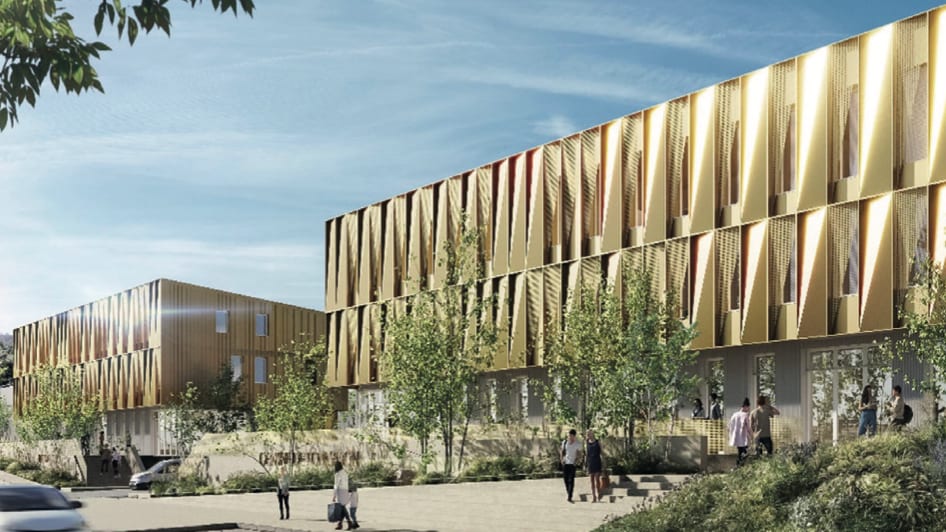
A new real estate development in Alès, France, is set to transform the local commercial landscape with the construction of a 5,200-square-meter business park. The project, designed to accommodate a diverse array of professional activities, represents a significant investment in the Gard region’s economic infrastructure, aiming to provide modernized facilities for local entrepreneurs and established firms alike.
The development is intended to house a mix of office spaces, workshops, vocational training centers, and retail units. By centralizing these functions, the project—often referred to in regional development plans as a key pillar for local business expansion—seeks to address the growing demand for flexible, high-quality industrial and professional property in the Alès agglomeration. According to the Alès Agglomération official portal, the city has been actively working to attract new enterprises by providing infrastructure that meets contemporary environmental and operational standards.
Strategic Importance for the Gard Economic Corridor
The decision to invest in 5,200 square meters of commercial space is part of a broader strategy to bolster the economic attractiveness of the Cevennes foothills. Historically, the region has sought to transition from its industrial past toward a more diversified economy, emphasizing service-oriented businesses and high-tech manufacturing. As noted by the Chamber of Commerce and Industry of the Gard (CCI Gard), the availability of turnkey business premises remains a primary factor in the decision-making process for companies looking to relocate or expand within the department.
This project is notable not just for its size, but for its integration of varied vocational and commercial uses. By co-locating training facilities with business operations, the development aims to create a synergy between workforce development and job creation. This model is increasingly common in French regional planning, where authorities attempt to reduce the “skills mismatch” by ensuring that education centers are embedded within the business ecosystem.
Project Scope and Technical Specifications
The total footprint of 5,200 square meters is divided into modular zones. These zones are engineered to be adaptable, allowing businesses to scale their operations as their needs evolve. The architecture of such parks in the Gard region typically adheres to the RT 2012 or RE 2020 thermal regulations, ensuring that these new structures meet current energy efficiency requirements, which is a critical concern for modern business tenants looking to manage long-term operating costs.
Local urban planning documents indicate that the site selection process prioritized accessibility, ensuring that the new park maintains proximity to major transit arteries. For businesses, this translates to improved logistical efficiency and easier access for employees commuting from the wider Gard and Hérault areas. The project serves as a tangible metric of the local government’s commitment to private-sector growth, reflecting a shift toward incentivizing capital investment in the tertiary sector.
What This Means for Local Entrepreneurs
For small-to-medium enterprises (SMEs) operating in Alès, the introduction of this facility provides an opportunity to upgrade from older, less efficient industrial sites to modern, compliant, and well-connected premises. The availability of specialized workshop space is specifically tailored to the artisan and light-manufacturing sectors that remain vital to the local economy.
According to data from INSEE (The National Institute of Statistics and Economic Studies), the Gard region has seen a consistent interest in business creation, yet the scarcity of suitable commercial real estate has historically acted as a bottleneck for expansion. This development aims to mitigate that pressure by increasing the total stock of available professional space, thereby stabilizing rental prices and providing long-term security for tenants.
Looking Ahead: Next Steps for the Development
While the project design and zoning approvals have moved forward, the next critical phase involves the tendering process for the final fit-outs and the commencement of active commercial leasing. Interested parties, including business owners and investors, are encouraged to monitor the official Alès Agglomération economic development page for updates regarding permit timelines and the availability of specific units.
Construction timelines and specific move-in dates for the facility are subject to the completion of final regulatory inspections and infrastructure hook-ups. The project remains a focal point for regional economic observers who are tracking how infrastructure investment translates into tangible employment growth in the coming fiscal years. We invite our readers to share their thoughts on regional development trends in the comments section below.
Keep reading