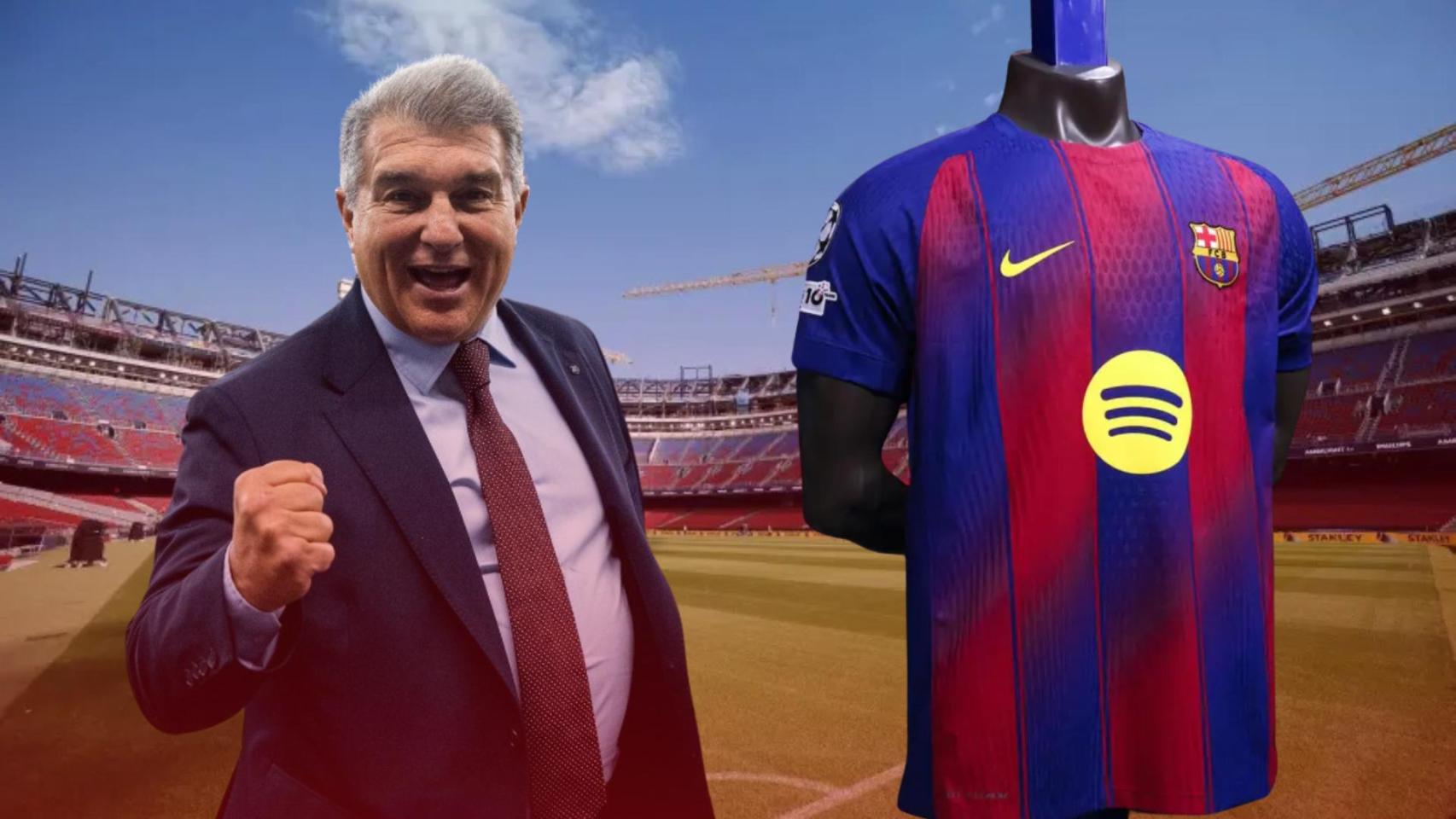
FC Barcelona is targeting a significant financial milestone, aiming to surpass 1.3 billion euros in annual revenue by the 2029 fiscal year as part of its long-term strategic recovery plan. This ambitious objective centers on the full operational capacity of the renovated Spotify Camp Nou, a project designed to transform the club’s primary asset into a year-round revenue-generating hub. According to the club’s official financial reporting, the organization is focused on diversifying income streams beyond traditional matchday ticket sales to stabilize its fiscal health following years of economic volatility.
The financial strategy, frequently discussed by club president Joan Laporta, relies heavily on the modernization of the stadium infrastructure. By transitioning the Spotify Camp Nou into a premium, multi-purpose venue, the club expects to capture increased hospitality revenue and non-matchday income, such as hosting high-profile concerts, private events, and expanded museum tours. Official filings from the club detail that these upgrades are essential to meeting the repayment schedules established for the Espai Barça financing project, which secured 1.45 billion euros in funding from international investors to facilitate the stadium renovations.
Infrastructure as the Engine of Growth
The core of Barcelona’s revenue growth is the expectation that the renovated stadium will function differently than its predecessor. Under the current projections, the club anticipates a substantial increase in VIP and corporate hospitality capacity, which traditionally commands higher margins than general admission seating. Official statements from the club have emphasized that the integration of modern technology and luxury services within the stadium is designed to attract global sponsors and high-net-worth visitors, thereby increasing the average revenue per visitor.
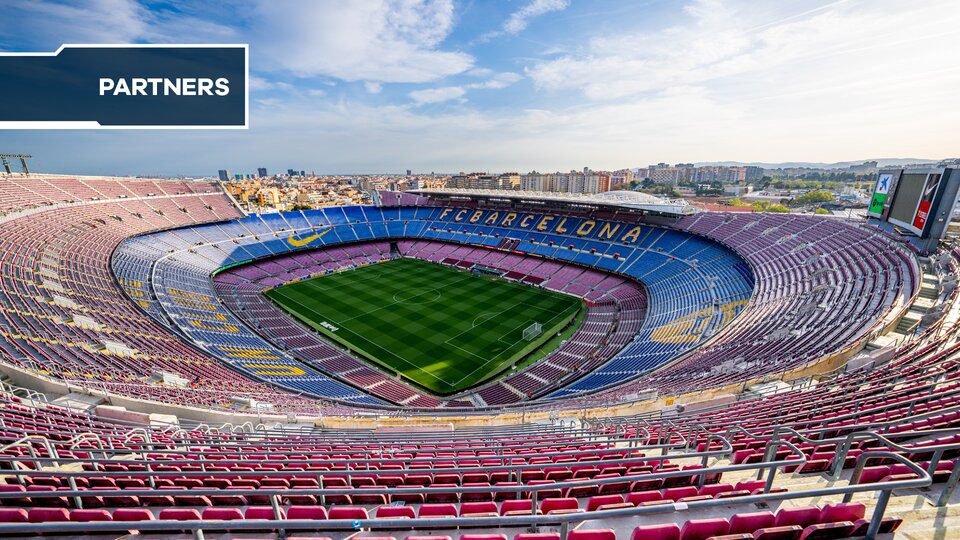
This development is closely tied to the club’s broader commercial strategy, which includes leverage from its high-profile partnership with Spotify. The naming rights deal, which covers both the stadium and the team’s training kit, remains a cornerstone of the organization’s commercial revenue portfolio. According to public financial summaries, the club is prioritizing these partnerships to offset high wage bills and debt-servicing costs that have constrained sporting investments in recent seasons.
Financial Sustainability and Future Outlook
Achieving the 1.3 billion euro threshold is not merely a goal for growth, but a requirement for long-term operational sustainability within the framework of European football’s financial regulations. The club has consistently highlighted the importance of increasing its “ordinary revenue,” which excludes one-off asset sales—a practice the current board has sought to move away from after utilizing various financial levers in previous years. By focusing on recurring income from the Spotify Camp Nou, the club aims to achieve a more predictable financial trajectory.
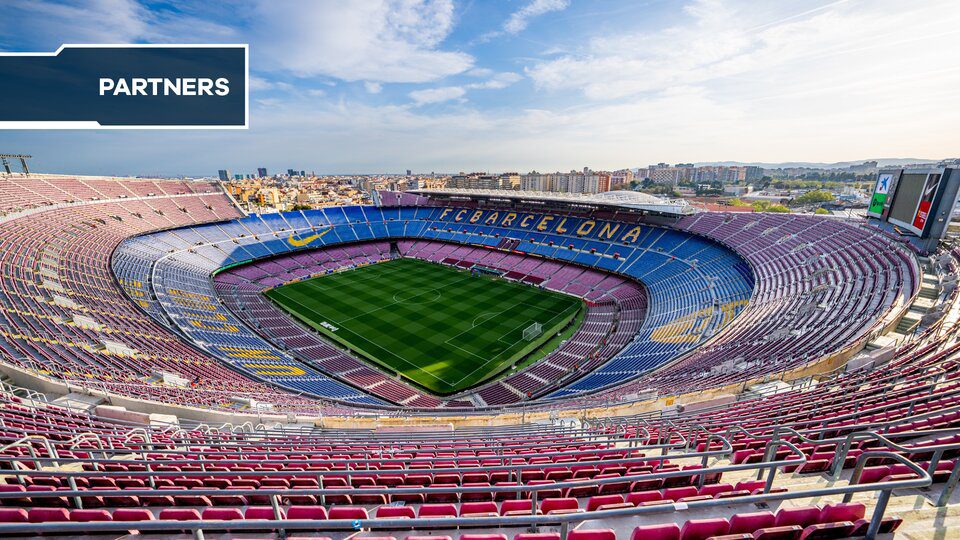
The path to 2029 involves navigating complex construction timelines and managing the temporary displacement of home matches. While the club has aimed to return to the stadium with partial capacity as soon as feasible, the full completion of the project remains the primary catalyst for the projected revenue surge. Official updates on the construction progress are typically provided during the club’s annual General Assembly, where members (socios) vote on the budget and strategic direction for the coming seasons.
For shareholders and observers tracking the club’s progress, the next major update regarding the financial outlook will be provided during the upcoming annual report presentation, where the club will detail its progress against these revenue targets. As the institution continues its transition, the efficacy of this plan will depend on consistent commercial performance and the successful integration of the new stadium facilities into the broader global sports and entertainment market.
We welcome your thoughts on this strategy; please share your perspective in the comments below.