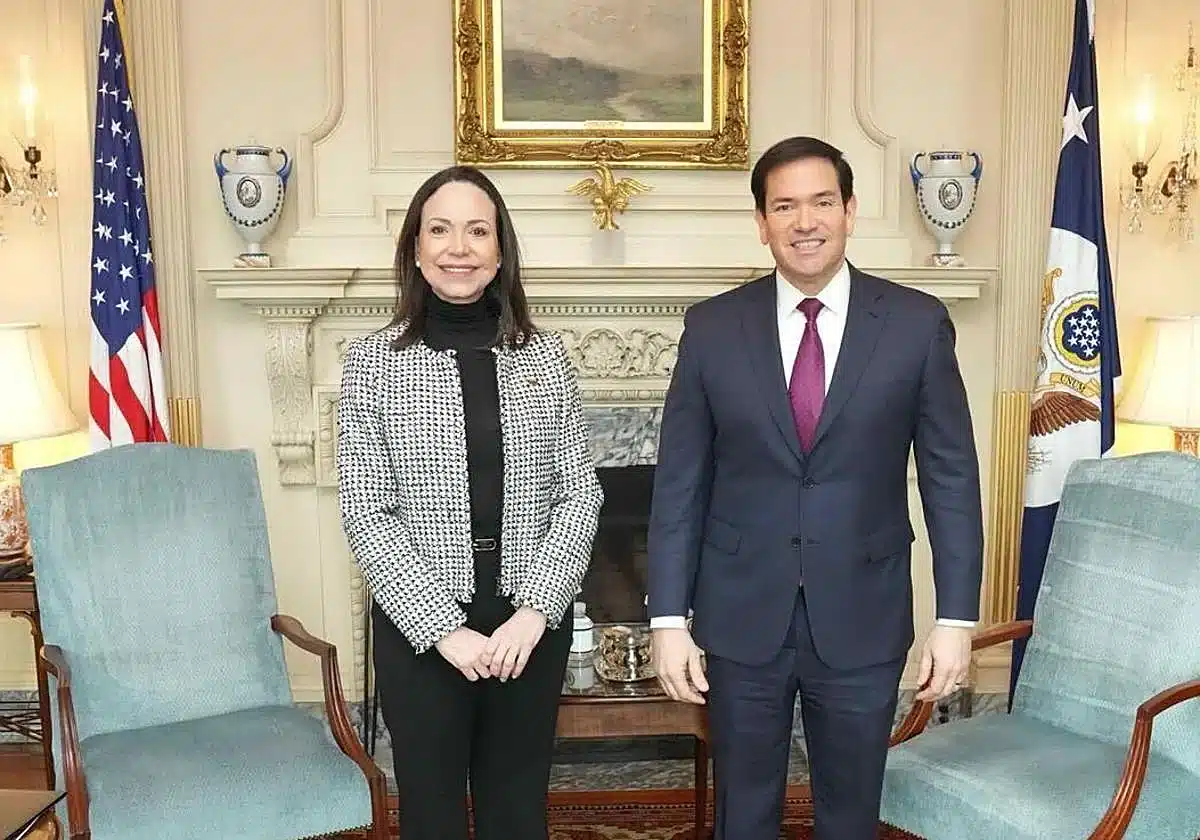
United States Secretary of State Marco Rubio has called for the urgent appointment of new leadership within Venezuela’s National Electoral Council (CNE), framing the move as a necessary step toward restoring democratic processes in the country. The call, made during a June 3, 2026, hearing before the U.S. House of Representatives, arrives in the wake of a political proposal recently circulated by Venezuelan opposition leader María Corina Machado and the Unitary Platform Democratic (PUD).
The proposal, known as the “Panama Manifesto,” outlines a framework for direct negotiations regarding the nation’s presidential elections. Analysts are now examining whether Rubio’s public stance serves as a strategic endorsement of the opposition’s roadmap or a broader signal regarding U.S. foreign policy toward the current administration in Caracas. While the Venezuelan National Assembly, currently controlled by supporters of the government, has focused its legislative efforts on selecting magistrates for the Supreme Tribunal of Justice (TSJ), it has yet to initiate a formal process for replacing the electoral authorities.
Evaluating the Path to Electoral Reform
The demand for a restructured CNE is a central pillar of the opposition’s strategy to ensure transparent, internationally recognized elections. Political observers suggest that Rubio’s testimony functions as an acknowledgment of the opposition’s recent diplomatic overtures. By highlighting the necessity of an electoral body that can guarantee impartiality, the U.S. Secretary of State has underscored a requirement that many regional experts argue is fundamental to any credible transition of power.
However, the divide between the opposition’s objectives and the current legislative agenda in Caracas remains significant. While the international community watches for signs of movement, the Venezuelan government has remained concentrated on judicial appointments, leaving the composition of the electoral commission unchanged. This discrepancy has fueled debate among regional experts regarding the potential for an “ad hoc” electoral commission—a solution that some analysts suggest could bypass the current legislative deadlock if political conditions allow for a negotiated settlement.
Strategic Implications for U.S. Diplomacy
The discourse surrounding Venezuela’s electoral future is increasingly viewed through the lens of shifting diplomatic priorities. Rubio’s recent comments are being analyzed not only for their focus on the CNE but also for what they reveal about the United States’ evolving approach to the region. Unlike previous, more rigid policy frameworks, current discussions emphasize the creation of specific “conditions” necessary for free and fair balloting, rather than relying solely on external pressure.
This approach marks a nuanced adjustment in how Washington engages with the Venezuelan political crisis. By advocating for specific structural changes, such as the overhaul of the CNE and the promotion of a free press, the U.S. is signaling that its support for the opposition is tied to a concrete, step-by-step methodology aimed at institutional reform. Whether these calls will gain traction within the halls of the Venezuelan National Assembly remains the primary question for diplomats and political analysts tracking the situation.
What Happens Next
As of June 9, 2026, there is no confirmed timeline for the Venezuelan National Assembly to address the composition of the CNE. The political situation remains fluid, with the international community awaiting further developments following the recent legislative focus on the Supreme Tribunal of Justice. Observers continue to monitor whether the “Panama Manifesto” will serve as a catalyst for actual negotiation or if the current political impasse will persist through the coming months.
Readers interested in official updates on U.S. policy toward Venezuela can monitor the Department of State’s press briefings or the official records of the House Committee on Foreign Affairs for transcripts of ongoing hearings regarding Western Hemisphere security. We invite our readers to share their analysis of these diplomatic developments in the comments section below.