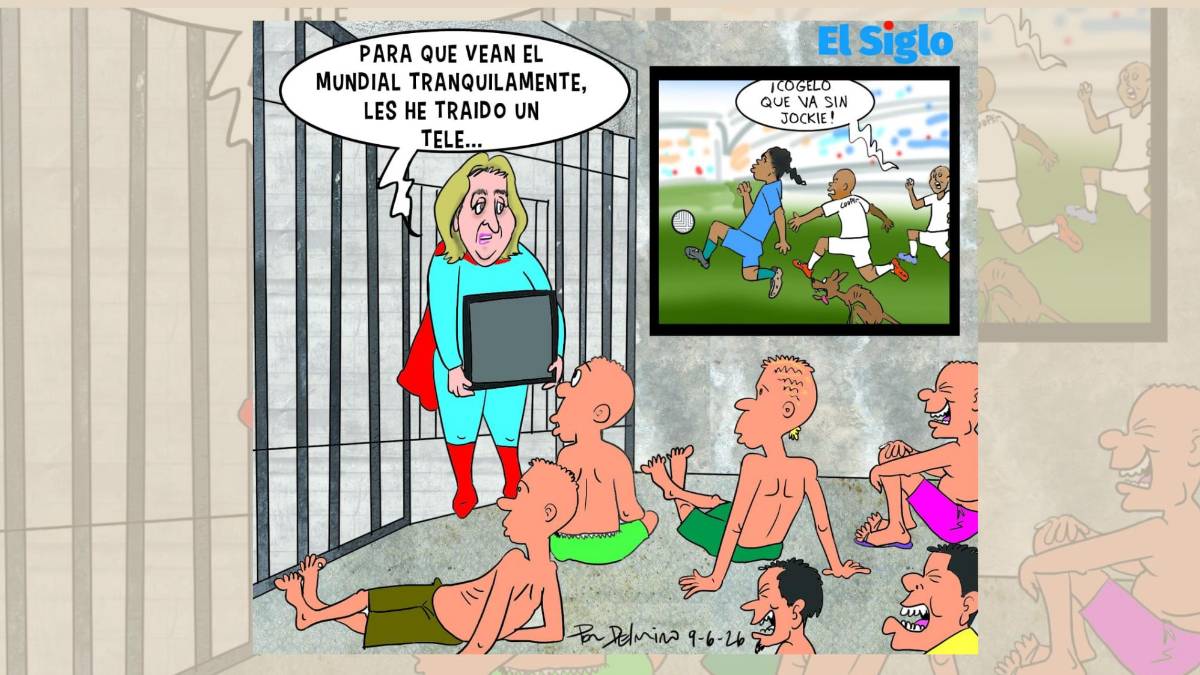
The visual commentary published in El Siglo on June 9, 2026, draws direct inspiration from the television sets located within La Joyita prison, highlighting a specific intersection of technology and the Panamanian correctional environment. As a journalist covering the evolving landscape of public discourse in Panama, I find that such editorial illustrations often serve as a mirror to ongoing administrative debates regarding the management and modernization of the country’s penitentiary system.
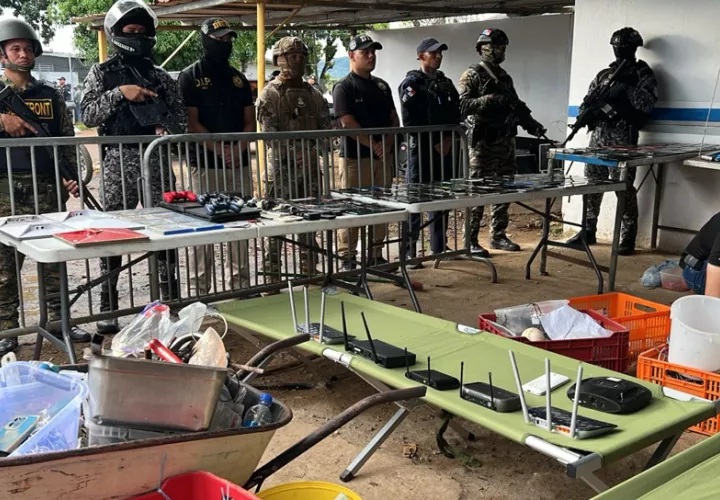
The La Joyita complex, one of the most significant correctional facilities in Panama, has frequently been a focal point for discussions concerning security, inmate rehabilitation, and the logistical challenges of managing large-scale detention centers. The inclusion of television equipment as a thematic element in a satirical illustration underscores broader public interest in how communication tools and entertainment media are regulated within the walls of high-security institutions. According to official reports from the Ministerio de Gobierno (Mingob), which oversees the penitentiary system, the regulation of electronic devices is a component of broader security protocols designed to prevent illicit activities while maintaining basic human rights standards for the incarcerated population.
The use of editorial cartoons in Panama, particularly in publications like El Siglo, acts as a critical mechanism for civic engagement. These illustrations often simplify complex bureaucratic issues—such as the oversight of prison facilities—into accessible visual narratives. By focusing on the presence of television sets, the artist invites the reader to consider the intersection of institutional control and the daily reality of those living and working within the correctional system. This specific commentary on June 9, 2026, serves as a poignant reminder of the persistent scrutiny that facilities like La Joyita face from the public and human rights monitors.
Institutional Oversight and Correctional Management
The management of facilities like La Joyita is governed by the Dirección General del Sistema Penitenciario (DGSP), which operates under the mandate of the Ministry of Government. The DGSP is tasked with enforcing Law 55 of 2003, which outlines the legal framework for the penitentiary system in Panama. This law emphasizes the need for rehabilitation and the maintenance of order within detention centers. The presence of televisions in these facilities is often a matter of internal policy, balancing the need for inmate information and recreation against the potential for misuse in unauthorized communication or security breaches.
In recent years, the Panamanian government has faced pressure to improve infrastructure and security measures within the La Joyita complex. Official statements from the government often highlight efforts to modernize security systems and reduce the influence of organized crime within the prison walls. These efforts are frequently documented in annual reports and public budget filings available through the Gaceta Oficial, the state’s official publication for legislative and administrative acts.
The Role of Media in Public Discourse
Editorial cartoons occupy a unique space in Panamanian journalism. They provide a platform for social critique that transcends traditional reporting. When an artist chooses to focus on the equipment or conditions inside a prison, they are often tapping into a deeper societal anxiety regarding the efficacy of the justice system. For many citizens, the image of a television set inside a prison cell is not merely about an appliance; it represents a question of whether the state is effectively managing the rehabilitation process or if the facilities have become disconnected from the objectives set forth by the judicial system.
The scrutiny applied by local media serves as a form of external accountability. By highlighting conditions at La Joyita, the press ensures that the penitentiary system remains in the public eye, even when official updates are infrequent. This transparency is crucial for the democratic process, as it prompts citizens to hold their representatives accountable for the allocation of state resources and the enforcement of humane prison conditions.
Looking Forward: Administrative Updates
The conversation surrounding the conditions in Panamanian prisons is continuous. The next major checkpoints for this topic will likely emerge during the National Assembly’s sessions regarding the Ministry of Government’s budget for the 2027 fiscal year. These proceedings, which are open to the public and documented by the Legislative Assembly, typically provide the most accurate look at how the government intends to address the ongoing challenges of prison management and infrastructure updates.
Readers interested in the latest official developments regarding the penitentiary system are encouraged to monitor the official channels of the Ministry of Government. As these stories continue to develop, the role of independent journalism remains vital in bridging the gap between official state policy and the lived reality of those affected by these institutions. I welcome your thoughts on how visual media shapes our understanding of these complex social issues—please feel free to share your perspectives in the comments section below.
Worth a look