
As the European Union navigates an increasingly volatile geopolitical landscape, the discourse surrounding the bloc’s strategic autonomy and its role in global affairs has intensified. Kaja Kallas, the former Prime Minister of Estonia and the current High Representative of the Union for Foreign Affairs and Security Policy, has recently emphasized the urgent need for a more cohesive and strategic approach to EU foreign policy and aid distribution. In a climate defined by shifting alliances and multifaceted security threats, Kallas’s warnings highlight a growing tension between the necessity for unified European action and the complex realities of member state interests.
The call for a more robust European strategy comes at a time when the continent faces pressure from multiple directions. Kallas has frequently articulated concerns regarding the influence of major global powers—specifically the United States, China, and Russia—and their potential to exploit internal divisions within the European Union. As reported by the European External Action Service, Kallas has underscored that the EU’s ability to exert influence on the world stage is intrinsically linked to its internal unity and its capacity to act with a singular, strategic voice.
The Challenge of Strategic Cohesion in EU Foreign Policy
At the heart of the current debate is the question of how the EU manages its external resources and diplomatic priorities. Critics and policymakers alike have pointed to the fragmentation of European efforts, suggesting that without a unified vision, the bloc risks becoming a bystander in global power struggles. Kallas’s recent focus on the Strategic Compass—the EU’s action plan for strengthening security and defense policy by 2030—reflects a recognition that the status quo is insufficient to meet contemporary challenges.
The complexity of these challenges is underscored by the diversity of interests among the 27 member states. While some nations prioritize immediate territorial security, others focus on economic stability and trade relations with non-EU powers. This divergence often complicates the process of reaching a consensus on foreign aid, sanctions, and defense spending. Analysts suggest that the “strategic deficit” often cited in policy circles is not merely a lack of planning, but a reflection of the inherent difficulty in reconciling disparate national agendas under a single supranational banner.
Navigating External Pressures and Global Alliances
Kallas has been vocal about the risks posed by external actors aiming to influence European political and economic trajectories. The narrative that the EU is being “divided and conquered” is a recurring theme in her public addresses. According to documentation from the European Parliament, the High Representative-designate has stressed that the EU must bolster its resilience against disinformation and economic coercion. This involves a dual strategy: strengthening internal market integrity and deepening partnerships with reliable global allies who share a commitment to democratic values.
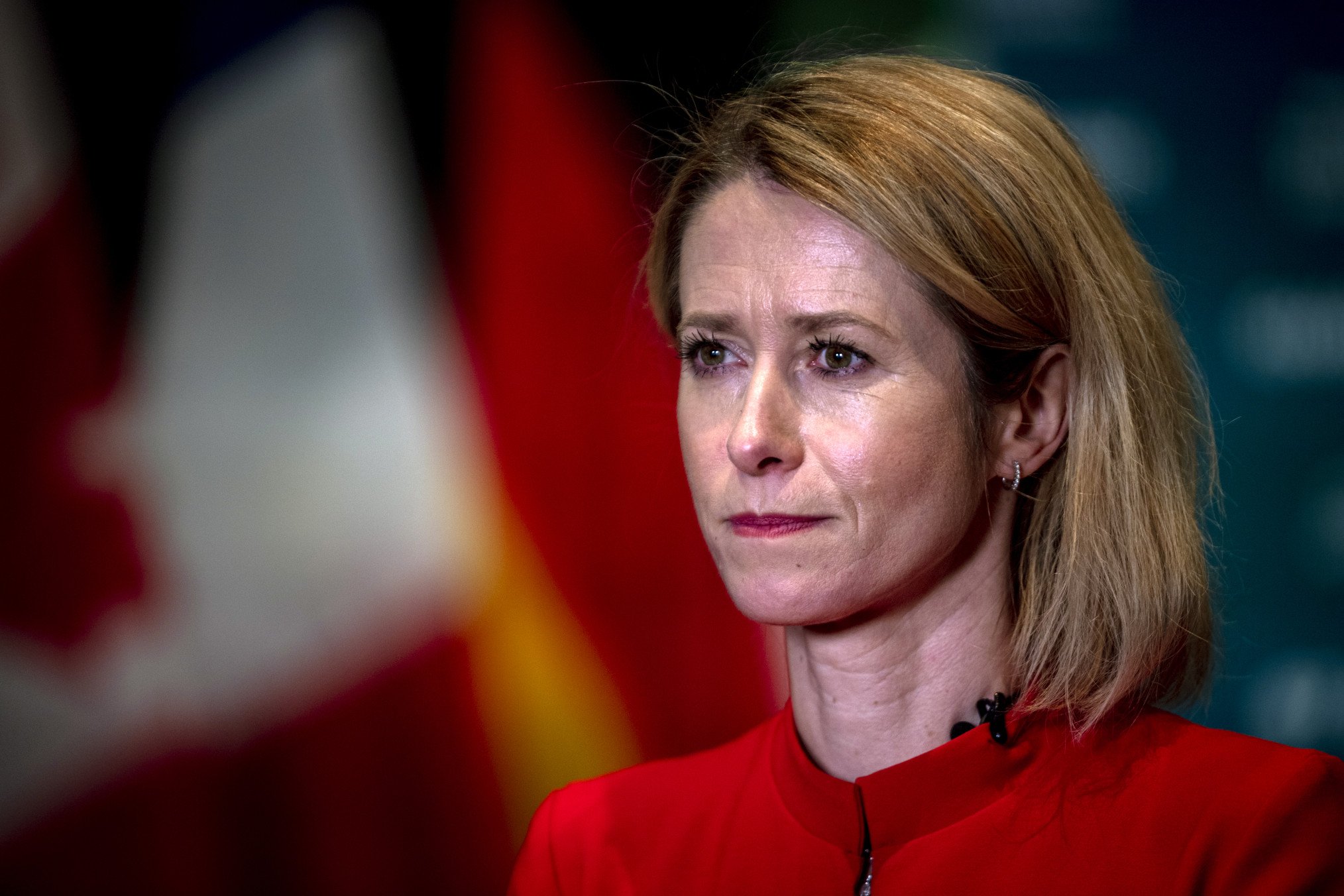
The relationship with the United States remains a cornerstone of European security, yet the uncertainty surrounding future American political cycles has prompted a push for “strategic autonomy.” This concept, often debated in Brussels, does not imply a decoupling from transatlantic partners, but rather the development of independent capabilities that allow Europe to act decisively when its interests are at stake. As the EU continues to address the fallout from the ongoing conflict in Ukraine, the necessity of maintaining a robust, well-funded, and strategically oriented foreign policy has moved from a theoretical ideal to a pressing security imperative.
Key Takeaways: The Path Toward a Unified EU Strategy
- Strategic Autonomy: The EU is shifting toward a model that prioritizes independent defense and security capabilities while maintaining the transatlantic partnership.
- Internal Unity: Kallas emphasizes that the primary obstacle to effective foreign policy is the internal division among member states, which external powers frequently exploit.
- Global Competition: The bloc is recalibrating its approach to China and Russia, focusing on economic de-risking and long-term security commitments.
- Resource Management: There is a renewed push for transparency and strategic alignment in how EU financial aid is allocated to neighboring regions and global partners.
What Happens Next?
The next major checkpoint for the development of these policies will be the upcoming European Council meeting, where heads of state are expected to discuss the implementation of the next phase of security and defense cooperation. The European Commission is expected to release updated assessments on the “de-risking” of supply chains and foreign investment screening mechanisms in the coming months. These developments will provide a clearer picture of how the EU intends to operationalize the strategic vision articulated by leadership in Brussels.
As these policies evolve, the debate over the effectiveness of current leadership will undoubtedly continue. The challenge for Kallas and her colleagues remains clear: to transform the collective intent of the EU into a coherent, actionable, and sustainable global strategy. We invite our readers to share their perspectives on the future of European diplomacy in the comments section below.
Keep reading