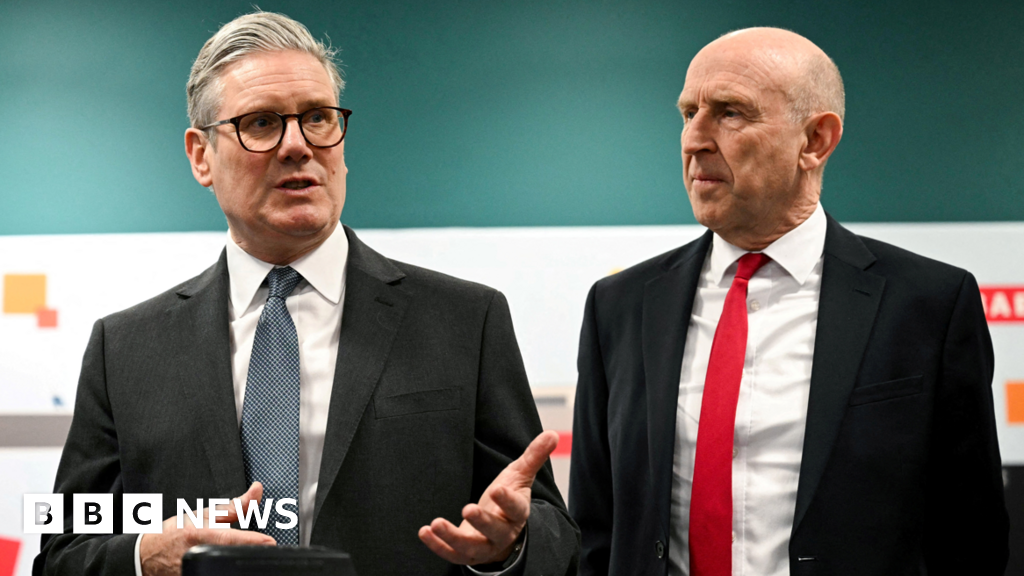
Prime Minister Sir Keir Starmer has defended his government’s approach to fiscal management and national security, characterizing his recent policy decisions as necessary “hard-edged” actions. The Prime Minister’s comments follow the resignation of his Defence Secretary, John Healey’s predecessor, who stepped down amid internal disagreements regarding the prioritization of public spending and the allocation of funds for the United Kingdom’s armed forces.
The government is currently navigating the complexities of the Autumn Budget 2024, which has placed significant pressure on ministerial portfolios to identify efficiency savings. While the administration faces criticism from opposition benches and some military advocates regarding the pace of increasing defence spending to the target of 2.5% of GDP, Sir Keir maintains that the government’s broader economic strategy requires difficult trade-offs to stabilize the national economy.
The Fiscal Context of Defence Spending
At the heart of the current political friction is the tension between maintaining robust military capabilities and addressing a projected £22 billion “black hole” in public finances, a figure identified by the Treasury shortly after the Labour Party assumed office in July 2024, according to official statements from Chancellor Rachel Reeves. The government has committed to a Strategic Defence Review, which is intended to align military capabilities with modern threats, but the timeline for reaching the 2.5% of GDP spending target remains a focal point of debate.

Sir Keir Starmer stated that his administration’s priority is to ensure that every pound of public money is spent effectively. In his view, the “hard-edged” decisions—a term he has used to describe the necessity of cutting lower-priority programs to fund essential services—are the only path to long-term fiscal responsibility. This rhetoric highlights a shift toward a more centralized control of departmental budgets, moving away from the spending patterns observed under the previous Conservative administration.
Challenges in Cabinet Cohesion
The resignation of a senior minister from the defence brief serves as a significant test for the Prime Minister’s authority. Historically, disagreements over defence budgets have led to high-profile departures, reflecting the deep-seated importance of the armed forces in British political life. According to the House of Commons library, cabinet ministers are collectively responsible for government policy; however, when a minister cannot reconcile their departmental requirements with the Treasury’s fiscal constraints, resignation is often the final recourse.
Political analysts note that the departure underscores the difficulty of balancing Labour’s election manifesto pledges—which emphasized economic stability and growth—with the geopolitical reality of rising global instability. The Ministry of Defence is currently tasked with managing significant procurement projects, including the Dreadnought-class submarine program and the ongoing support for Ukraine, both of which require sustained, long-term financial commitments that are now under intense scrutiny.
What Happens Next for the Defence Review
The government’s next major milestone is the publication of the full Strategic Defence Review, which is expected to provide clarity on the future size and composition of the British military. This report, led by former senior officials, is anticipated to influence the legislative agenda for the remainder of the parliamentary session. The Ministry of Defence has confirmed that it will continue to work closely with the Treasury to finalize these figures before the next fiscal update.
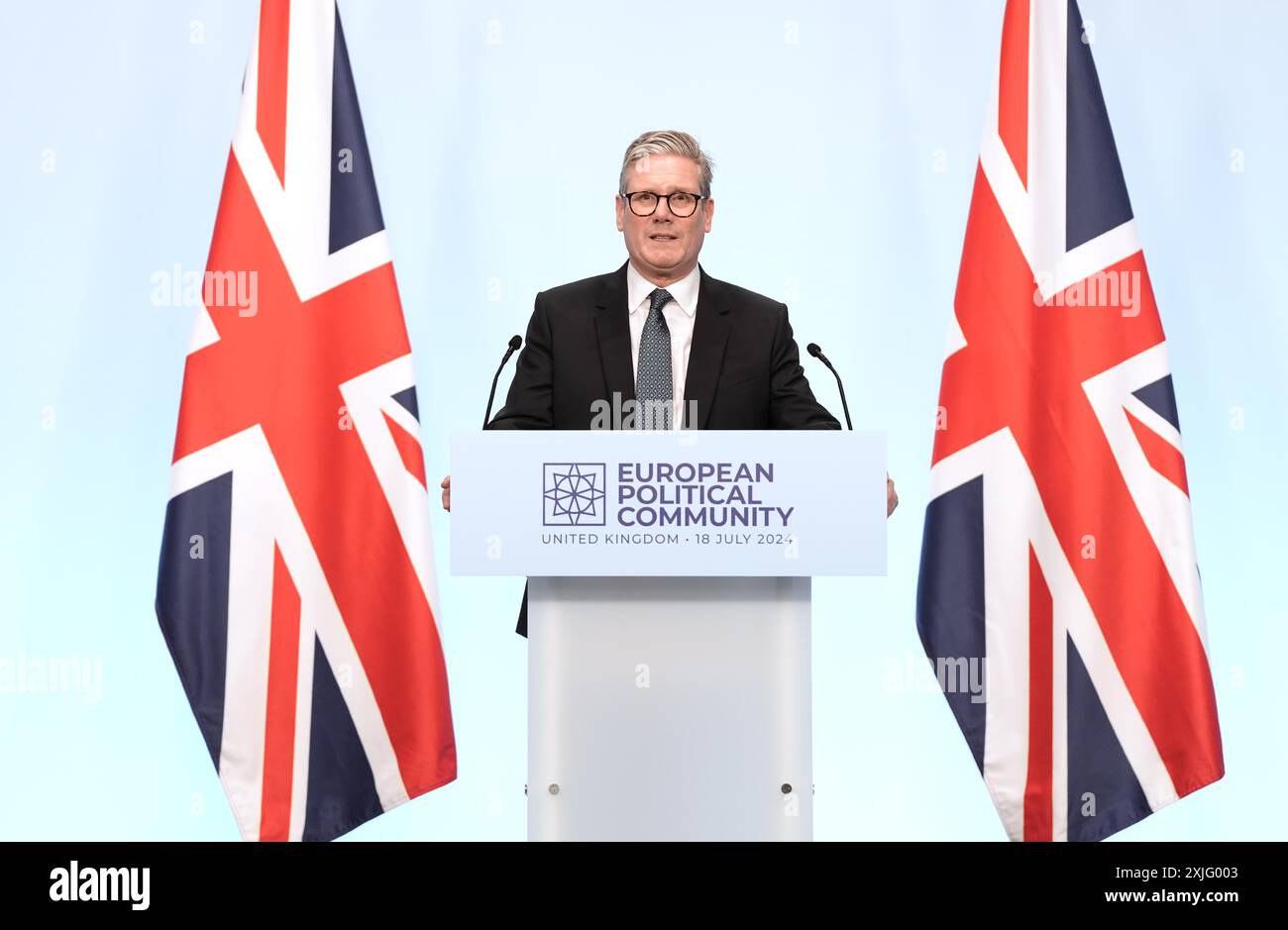
Observers are closely watching for signs of how the government will reconcile its spending commitments with the demands of NATO, which expects member nations to meet the 2% floor and strive for higher investment in light of the evolving security environment in Eastern Europe. For now, the administration appears focused on maintaining its fiscal discipline, betting that the public will prioritize economic stability over immediate, large-scale increases in military expenditure.
As the political situation evolves, further updates are expected during the next session of Prime Minister’s Questions in the House of Commons. We invite our readers to share their perspectives on the current balance between fiscal prudence and national security in the comments section below.