
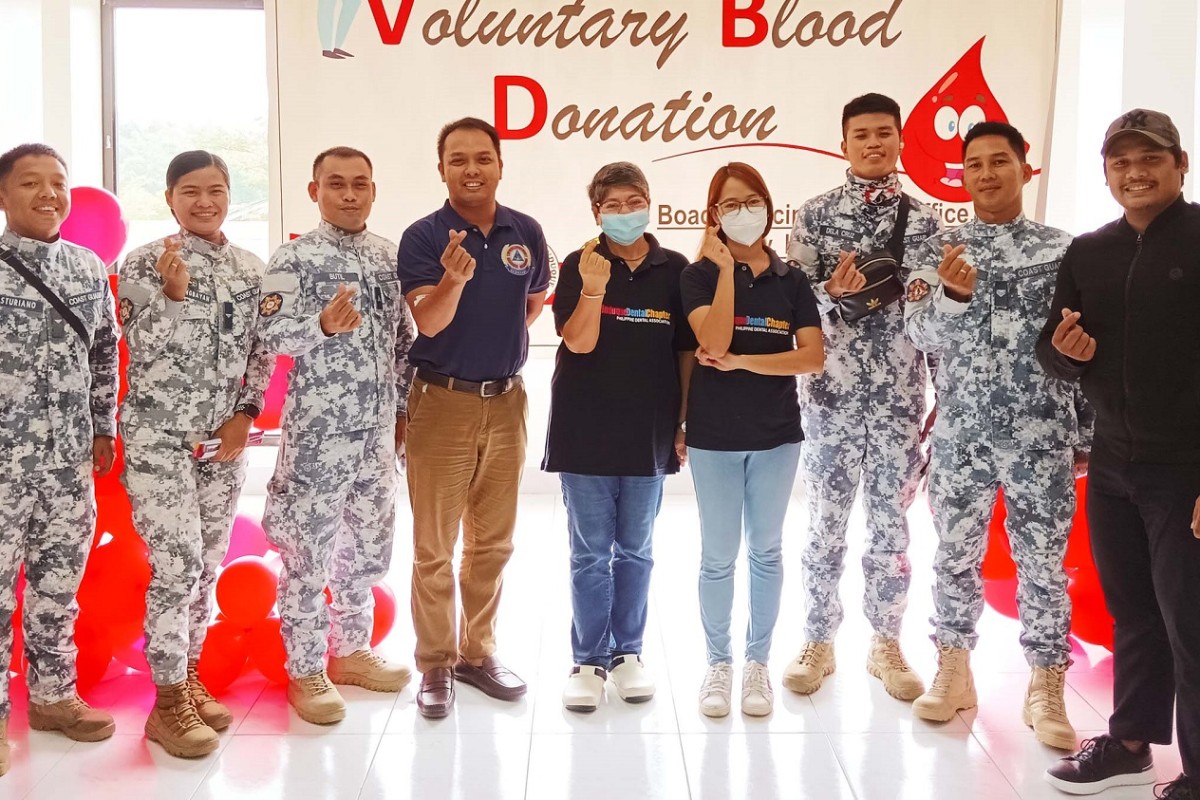
Volunteers gathered at the Hospital General San Juan de Dios (HGSJD) in Guatemala City this past Friday to participate in a coordinated blood donation drive, bolstering the facility’s reserves to meet critical patient needs. The initiative, organized as part of ongoing institutional health outreach efforts, saw a steady turnout of citizens aiming to support the hospital’s blood bank, which serves as a primary referral center for medical emergencies in the region.
According to official statements from the Hospital General San Juan de Dios, maintaining consistent blood supplies is a constant operational necessity, as the facility manages high volumes of trauma cases and complex surgeries daily. Blood donation drives are essential components of public health strategies in Guatemala, where the Ministry of Public Health and Social Assistance (MSPAS) frequently coordinates with local hospitals to ensure that life-saving resources remain available for patients undergoing elective procedures or emergency interventions.
The Operational Importance of Blood Reserves
The HGSJD functions as a national reference hospital, meaning it receives patients from across the country, often with conditions requiring immediate blood transfusions. Dr. Olivia Bennett notes that for large-scale public hospitals, the reliance on voluntary donations is not merely a logistical preference but a requirement for maintaining the standard of care for trauma, oncology, and obstetrics departments.
Donors at Friday’s event underwent the standard screening processes mandated by national health protocols. These protocols, overseen by the MSPAS, are designed to ensure the safety of both the donor and the recipient. By fostering a culture of regular, voluntary, and non-remunerated donation, the hospital aims to reduce the reliance on “replacement donors”—individuals who provide blood only when a family member is already hospitalized—which is often a less efficient and more stressful system for families in crisis.
How Voluntary Donation Programs Function
Voluntary blood donation programs in Guatemala operate under strict safety guidelines. Prospective donors must generally be between 18 and 60 years old, weigh more than 50 kilograms, and be in good health at the time of the donation. These requirements are in line with international standards promoted by the Pan American Health Organization (PAHO), which emphasizes the need for a stable base of repeat donors to ensure a safe and sufficient blood supply.
The process involves a comprehensive medical questionnaire and a brief physical examination to rule out conditions such as anemia or recent infections. Once cleared, a donor typically provides approximately 450 milliliters of blood. The collected units are then subjected to rigorous testing for infectious diseases, including HIV, hepatitis B and C, and syphilis, before being cleared for clinical use.
Public Health Impact and Community Participation
Community-led drives, such as the one held at the HGSJD, serve a dual purpose: they secure necessary blood units while simultaneously raising public awareness about the ongoing need for donors. In many urban centers, the demand for blood often outpaces the supply, particularly during holiday periods or times of increased traffic accidents, which significantly burden the emergency capacity of institutions like the San Juan de Dios.
The participation of volunteers is encouraged through public outreach and partnerships with local organizations, universities, and private sector entities. These collaborations help bridge the gap between hospital requirements and community willingness to contribute. By normalizing the act of donating blood, health authorities hope to move toward a model where the national blood supply is sustained entirely by voluntary, altruistic donors.
Next Steps for Prospective Donors
For those interested in contributing to the blood supply at the Hospital General San Juan de Dios, the facility maintains a dedicated blood bank department. Interested individuals are encouraged to contact the hospital directly or visit the official Ministry of Public Health website for information on upcoming donation campaigns and eligibility criteria.

The hospital typically schedules donation appointments to manage flow and ensure that staff can adequately process each donor. Regular updates regarding specific blood type shortages are often disseminated through the hospital’s official social media channels, providing a real-time link between urgent patient needs and the local donor community. As with all medical procedures, potential donors should consult with their general practitioner if they have concerns regarding their personal health history before attempting to donate.
If you found this report informative, please share it with your network to help raise awareness about the critical need for voluntary blood donations in our community. We invite readers to share their thoughts or experiences with local health initiatives in the comments section below.