
Research suggests that ketogenic dietary interventions—characterized by high fat and very low carbohydrate intake—may improve both metabolic health and psychiatric symptoms in patients with schizophrenia by addressing neuroinflammation and mitochondrial dysfunction. While clinical data varies, emerging studies in nutritional psychiatry indicate that shifting the body’s primary fuel source from glucose to ketones can stabilize energy levels in the brain and improve metabolic markers.
The intersection of metabolic health and mental illness has become a focal point for medical researchers investigating the underlying causes of schizophrenia. Traditionally, schizophrenia has been treated primarily through neurochemical modulation via antipsychotic medications. However, new clinical observations are shifting the focus toward the metabolic foundations of brain health, specifically how carbohydrate consumption influences insulin levels and brain energy production.
Recent reports have highlighted varying degrees of success in clinical settings, with some data suggesting significant improvements in patient outcomes. While some headlines have cited improvement rates as high as 91% in specific patient subsets, other clinical observations report more conservative symptom reductions, such as 32% to 43%. These discrepancies often stem from whether researchers are measuring metabolic markers—like insulin sensitivity and weight—or specific psychiatric symptom scales, such as the Positive and Negative Syndrome Scale (PANSS).
How the ketogenic diet influences schizophrenia symptoms
The mechanism by which a ketogenic diet affects the brain involves more than simple weight loss. In patients with schizophrenia, researchers are investigating a potential link between the disorder and “cerebral glucose hypometabolism,” a state where the brain struggles to utilize glucose effectively for energy. By inducing ketosis, the body produces ketone bodies, such as beta-hydroxybutyrate (BHB), which serve as an alternative, highly efficient fuel source for neurons.
According to research in the field of nutritional psychiatry, ketones do more than provide energy; they act as signaling molecules that can reduce systemic inflammation. Neuroinflammation is widely considered a contributing factor to the cognitive and behavioral symptoms of schizophrenia. By suppressing inflammatory pathways, a ketogenic diet may help stabilize the neural environment. Furthermore, BHB has been shown to influence the balance of neurotransmitters, potentially modulating the glutamate and GABA systems which are often dysregulated in psychiatric patients.
Clinical interest in this area is growing as researchers attempt to move beyond symptom management toward addressing the metabolic drivers of mental illness. For many patients, the side effects of long-term antipsychotic use—including significant weight gain and increased risk of Type 2 diabetes—create a secondary health crisis. A ketogenic approach aims to mitigate these metabolic risks while simultaneously targeting psychiatric stability.
The biological link between carbohydrates and metabolism
To understand why carbohydrates are central to this discussion, one must look at the role of insulin in human metabolism. When carbohydrates are consumed, the body breaks them down into glucose, which enters the bloodstream. In response, the pancreas secretes insulin to facilitate the uptake of glucose into cells for energy or storage.
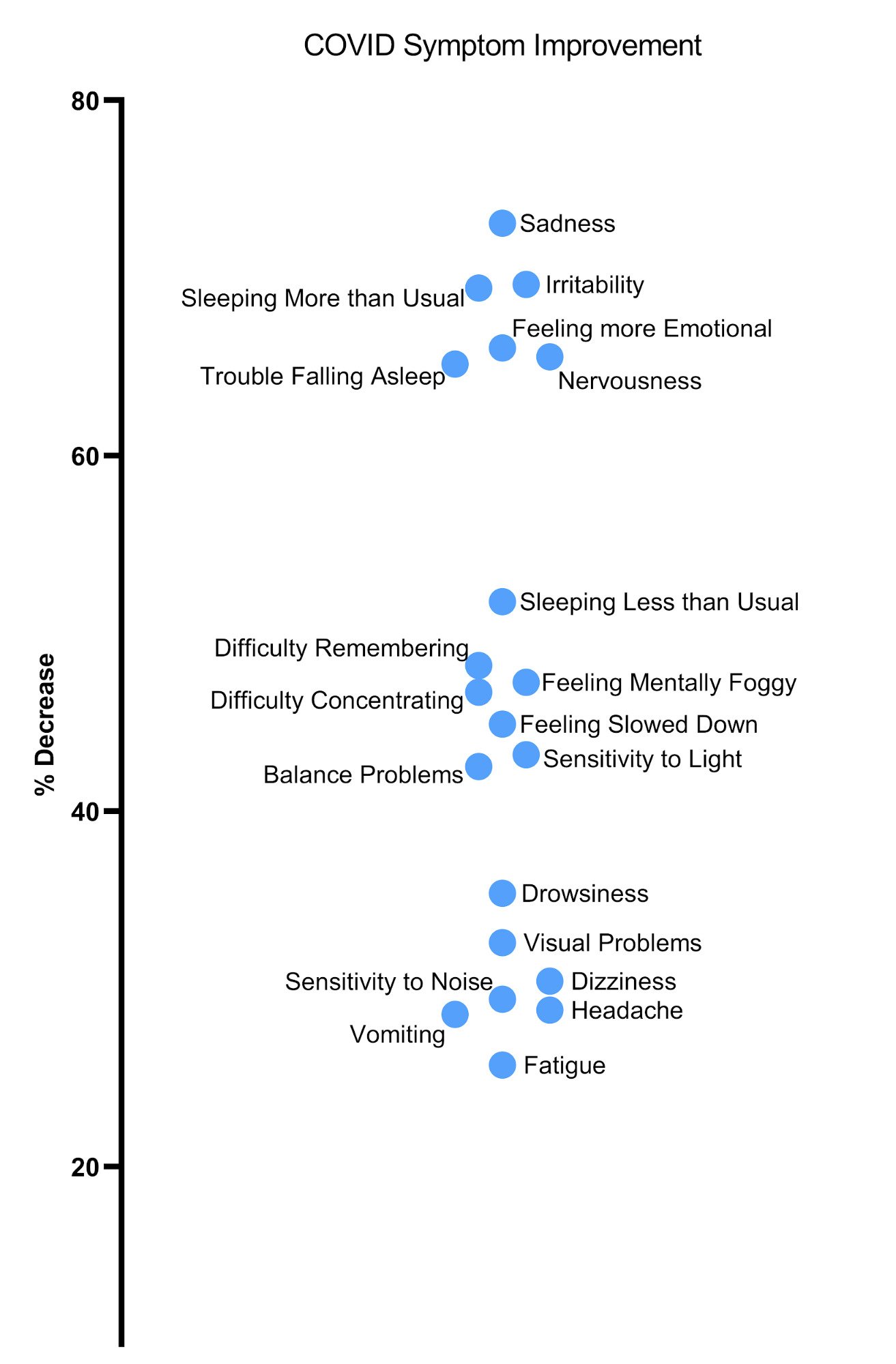
A diet high in refined carbohydrates causes frequent, sharp spikes in blood glucose and insulin levels. Over time, repeated spikes can lead to insulin resistance, a condition where cells no longer respond effectively to insulin. This resistance forces the body to produce even more insulin, creating a cycle that promotes fat storage and metabolic dysfunction. In the context of weight loss, this hormonal environment makes it difficult for the body to access stored fat for fuel.
The ketogenic diet disrupts this cycle by strictly limiting carbohydrate intake, typically to under 50 grams per day. As glucose availability drops, the liver begins to convert fatty acids into ketones through a process called ketogenesis. This metabolic shift forces the body to rely on fat oxidation, which can lead to more stable energy levels and improved lipid profiles. For individuals focused on weight management, this transition allows the body to tap into adipose tissue more effectively than a high-carb, low-calorie approach might allow.
Why metabolic health is critical in psychiatric care
The connection between metabolic health and mental health is not merely incidental; it is foundational. The “metabolic psychiatry” movement argues that many psychiatric disorders are, at their core, metabolic disturbances of the brain. When the body experiences insulin resistance or systemic inflammation, the brain is often the first organ to suffer from the resulting energy deficits and oxidative stress.
For patients with schizophrenia, the metabolic consequences of both the illness and its treatment can be severe. The risk of metabolic syndrome—a cluster of conditions including increased blood pressure, high blood sugar, and excess body fat around the waist—is significantly higher in this population than in the general public. Addressing these metabolic issues is no longer seen as a secondary goal but as a primary component of comprehensive psychiatric care.
By stabilizing blood sugar and reducing insulin levels, clinicians hope to create a more resilient physiological environment for mental health recovery. This approach moves the treatment paradigm from “managing symptoms” to “optimizing biological function.” However, medical professionals emphasize that dietary changes of this magnitude must be conducted under strict clinical supervision, particularly for patients already on complex medication regimens.
Deciphering the data: Comparing reported outcomes
The conflicting statistics regarding the efficacy of the ketogenic diet in schizophrenia patients—ranging from 32% to 91%—require careful interpretation. These numbers rarely refer to the same metric. To understand the true landscape of the research, it is necessary to distinguish between different types of clinical outcomes.
| Metric Type | Typical Reported Range | What it Measures |
|---|---|---|
| Metabolic Improvement | High (e.g., 70%–90%+) | Reductions in HbA1c, insulin levels, and body mass index (BMI). |
| Symptom Reduction | Moderate (e.g., 30%–50%) | Decreased scores on psychiatric scales like the PANSS. |
| Cognitive Function | Variable | Improvements in attention, memory, and executive function. |
A high percentage, such as the 91% figure mentioned in some reports, often refers to the success rate of achieving metabolic targets, such as weight loss or improved blood glucose control, within a specific study group. Conversely, the lower percentages (32% or 43%) typically refer to the reduction of core psychiatric symptoms, such as hallucinations or delusions. Both sets of data can be accurate simultaneously, as a patient may experience significant metabolic stabilization without a total resolution of psychiatric symptoms.
Researchers caution that most current evidence comes from small-scale pilot studies or case series. While the results are promising, large-scale, randomized controlled trials (RCTs) are required to confirm whether the ketogenic diet can serve as a standard-of-care intervention for schizophrenia and other metabolic-linked psychiatric conditions.
Frequently Asked Questions
Is the ketogenic diet safe for everyone with a mental health diagnosis?
No. Dietary interventions, especially those as restrictive as the ketogenic diet, should only be implemented under the guidance of a physician or a registered dietitian. For individuals with schizophrenia, changes in metabolism can affect how antipsychotic medications are processed by the body, potentially altering their efficacy or increasing side effects.
Does a ketogenic diet replace medication?
Currently, there is no clinical evidence to suggest that a ketogenic diet should replace standard psychiatric medications. Instead, the goal of nutritional psychiatry is to use diet as a complementary or adjunctive therapy to improve the patient’s overall physiological and mental state.
How long does it take to see metabolic or psychiatric changes?
Metabolic changes, such as shifts in blood glucose and insulin levels, can occur within days or weeks of starting ketosis. Psychiatric and cognitive improvements may take longer to manifest, as they involve complex neurological adaptations and the reduction of long-term neuroinflammation.
The medical community continues to monitor these developments closely. The next phase of research will likely involve larger, multi-center clinical trials designed to establish standardized protocols for nutritional interventions in psychiatric wards. We will continue to provide updates as these official clinical results are published.
What are your thoughts on the link between diet and mental health? Share this article with your network and join the conversation in the comments below.