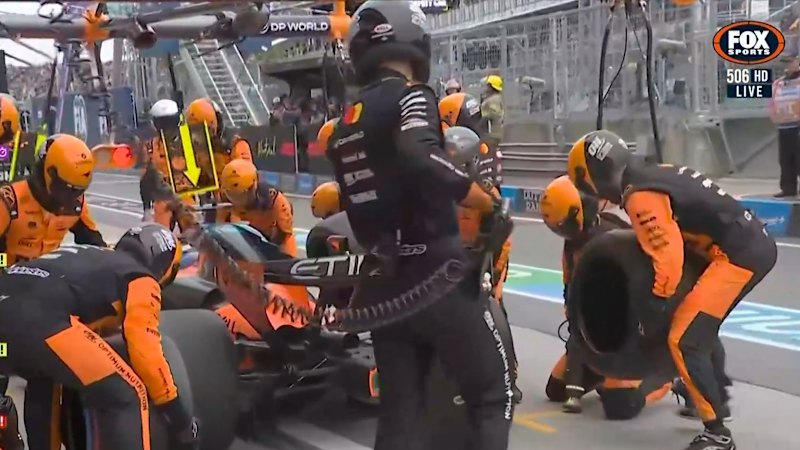
The 2026 Formula One season continues to provide a masterclass in high-stakes competition, with the latest round in Montreal serving as a stark reminder of how quickly fortunes can turn on the tarmac. As the grid navigates the complex demands of the current championship, the weekend’s results underscored the relentless form of Kimi Antonelli, who secured another commanding victory, while McLaren’s Oscar Piastri faced a challenging outing that left him outside the points-scoring positions.
For racing enthusiasts and analysts alike, the Canadian Grand Prix often serves as a barometer for team reliability and driver composure. While the atmosphere at the Circuit Gilles Villeneuve remained electric, the reality for Piastri was one of frustration. Finishing outside the top ten represents a significant hurdle for the Australian driver, who has otherwise demonstrated consistent pace throughout the early stages of the 2026 calendar. This result forces a pivot in focus for the team as they look toward upcoming rounds to regain their competitive footing.
Antonelli’s Dominance Continues
Kimi Antonelli’s performance in Canada was nothing short of clinical. By securing his latest victory, the young driver has further cemented his status as a formidable contender in the 2026 FIA Formula One World Championship. The consistency required to maintain such a streak in the modern era of F1 is remarkable, requiring precise synchronization between the driver, the engineering department, and the pit wall.
According to the official FIA race classifications, the 2026 season has seen a tightening of the technical regulations, which makes consecutive victories an increasingly difficult feat to achieve. Antonelli’s ability to manage tire degradation and fuel efficiency while maintaining a high defensive standard has been a hallmark of his season thus far. His current trajectory suggests that the championship battle will likely remain intense as the paddock moves into the European segment of the season.
The Challenges Facing Piastri
Oscar Piastri, widely regarded as one of the most promising talents on the grid, found himself struggling to find the necessary rhythm in Montreal. Finishing outside the points is a rare occurrence for the McLaren driver, who has spent much of the season battling at the front of the pack. Analysts have pointed to a combination of qualifying positioning and race-day traffic as potential factors that hampered his ability to climb through the field.
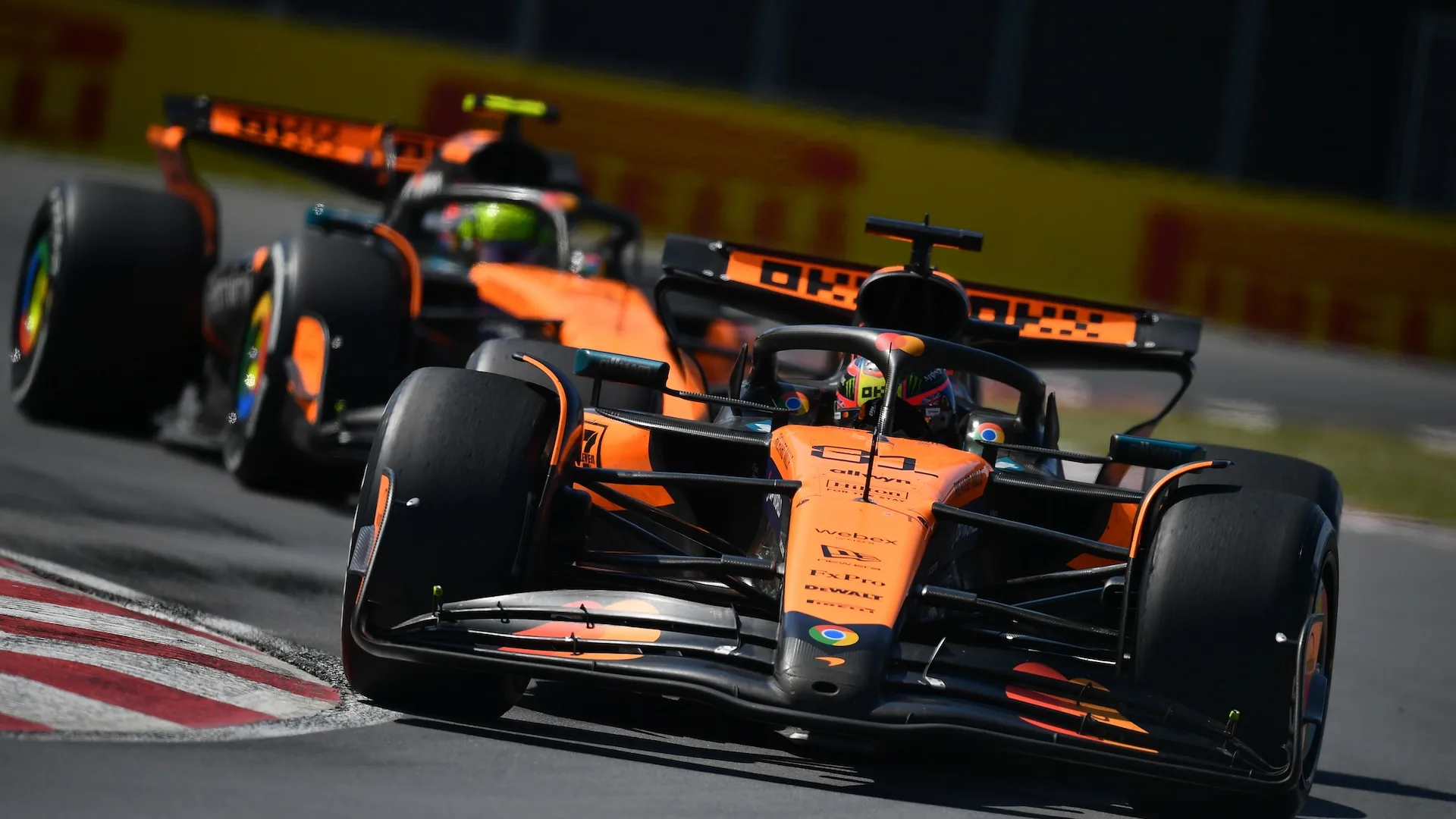
Formula One is a sport of fine margins, where a few milliseconds in qualifying or a poorly timed pit stop can define an entire weekend. For Piastri, the task ahead is clear: regrouping with his technical crew to analyze the data from the Canadian circuit. With the official 2026 F1 calendar showing a dense schedule of upcoming races, there is little time for reflection before the next challenge begins.
Technical and Strategic Implications
The 2026 regulations have introduced significant changes to power unit configurations and aerodynamic efficiency, which continue to influence how teams approach race strategy. The “undercut” and “overcut” strategies, once staples of simple tire management, are now deeply integrated with energy recovery system (ERS) deployment. Antonelli’s team has seemingly mastered the balance between raw pace and system longevity, a factor that appears to be giving them a slight edge in race trim.
For McLaren, the focus will likely shift to optimizing their high-downforce setup for upcoming street circuits and technical tracks. As noted by industry experts, the development race in 2026 is expected to be one of the most aggressive in recent memory. Every team is currently balancing the introduction of new aerodynamic packages with the long-term reliability of their power units to avoid grid penalties later in the season.
Looking Ahead
As the dust settles in Montreal, the focus shifts immediately toward the next round of the championship. The teams will be preparing for the logistical challenges of the next race, with engineers already running simulations to optimize vehicle performance for the specific characteristics of the next venue. For fans, the mid-season point is often where the championship narrative truly begins to take shape.
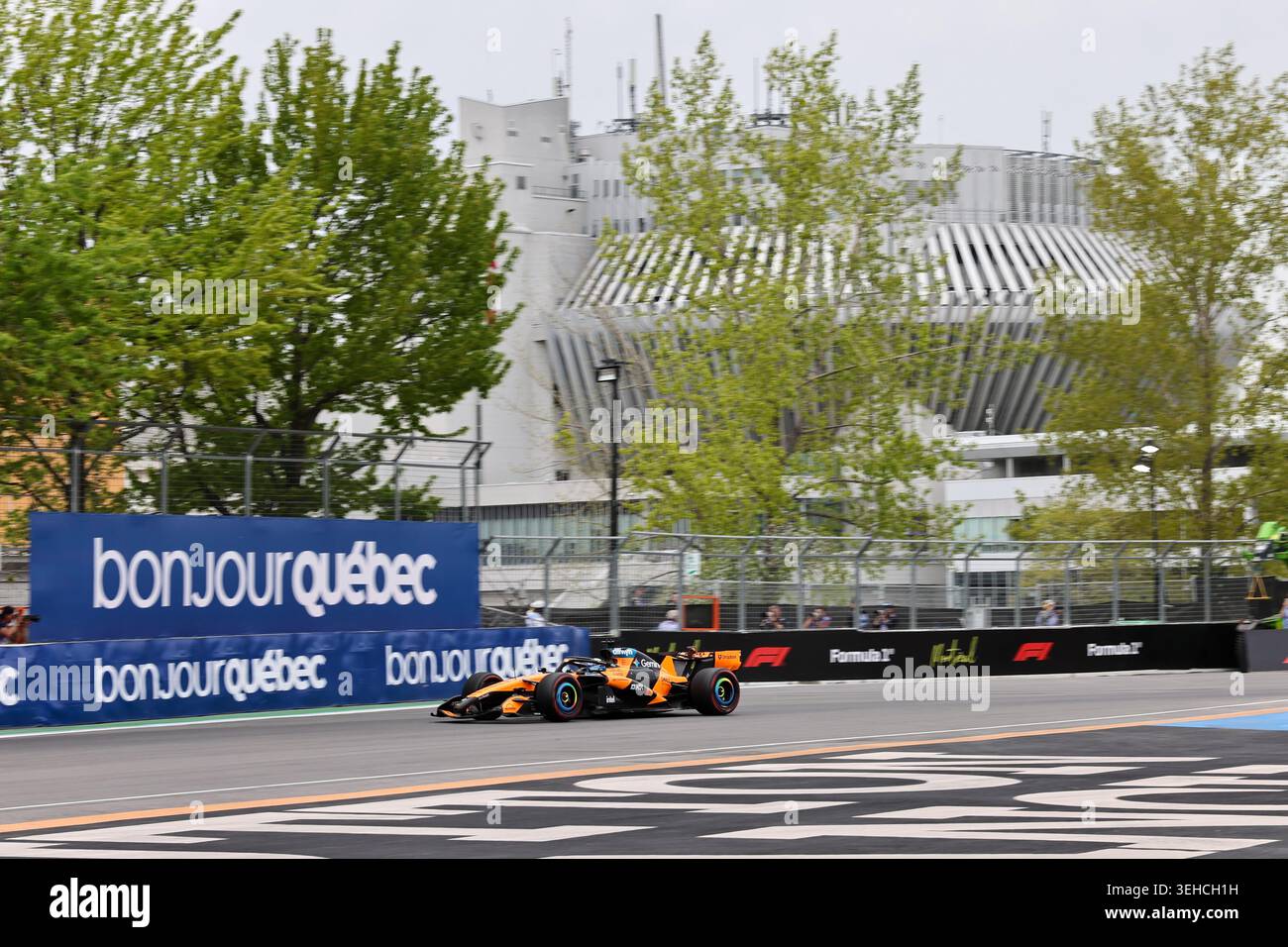
The next official update regarding the driver standings and team progress will be released by the FIA following the conclusion of the upcoming Grand Prix weekend. We encourage our readers to join the conversation in the comments section below—how do you think the mid-field teams will respond to the current dominance at the front? Share your thoughts as we track the journey to the 2026 World Championship title.
Keep reading