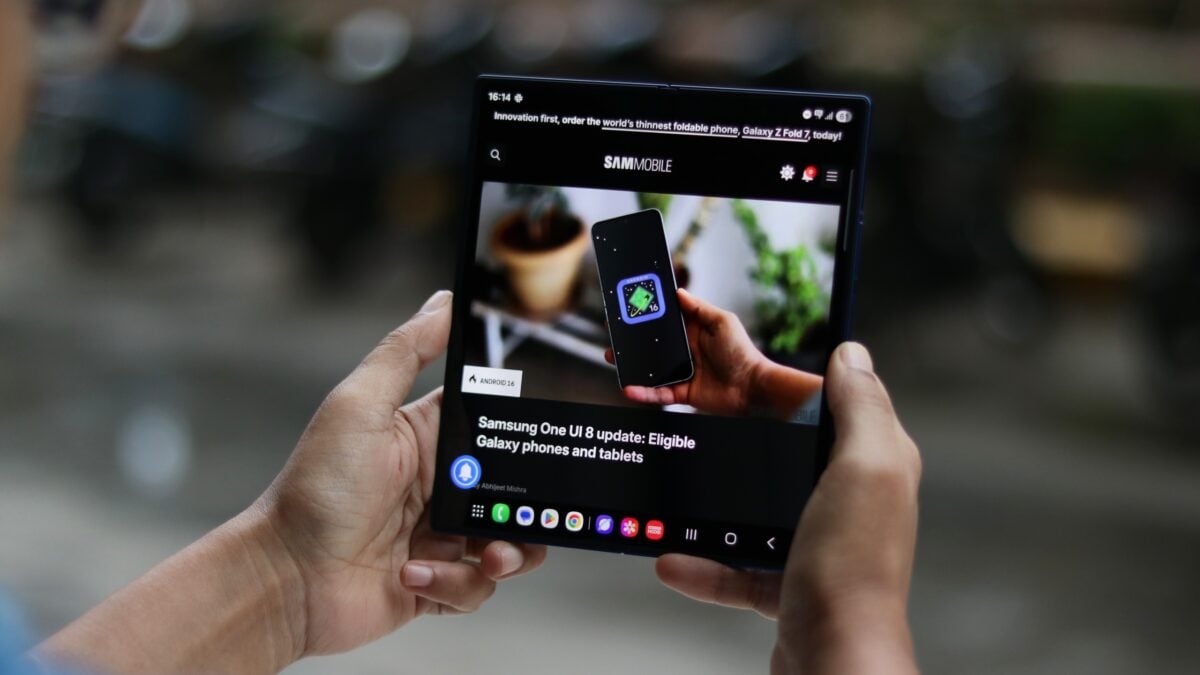
As the consumer electronics landscape evolves toward increasingly sophisticated foldable hardware, industry watchers are keeping a close eye on Seoul-based Samsung Electronics. With the next generation of its portable device portfolio on the horizon, reports regarding the branding strategy for its upcoming foldable flagships have begun to circulate. These developments suggest a potential shift in how the manufacturer plans to distinguish between its premium offerings, potentially creating a new hierarchy within the Galaxy Z series.
The tech giant, which maintains its global operations from its headquarters in the Samsung Town complex in Seoul, has historically utilized its “Ultra” designation to denote the pinnacle of its smartphone capabilities. As of 2024, the conglomerate holds a significant position in the global market, with its brand value consistently ranked among the highest in the world according to data provided by the official Samsung corporate portal. For enthusiasts following the mobile industry, these branding shifts are more than just nomenclature—they represent the company’s strategic response to a growing array of competitor devices in the foldable category.
Defining the Next Generation of Foldables
Recent industry analysis suggests that Samsung is preparing to introduce two distinct models for its next foldable cycle. While the company has not issued an official product launch schedule, the industry expectation is that these devices will be featured at an upcoming Galaxy Unpacked event. The branding appears to be split between the standard Galaxy Z Fold 8 and a more premium Galaxy Z Fold 8 Ultra. This bifurcation mirrors the strategy currently employed in the Galaxy S series, where the Ultra moniker serves to signify the inclusion of the most advanced hardware specifications available to the brand.
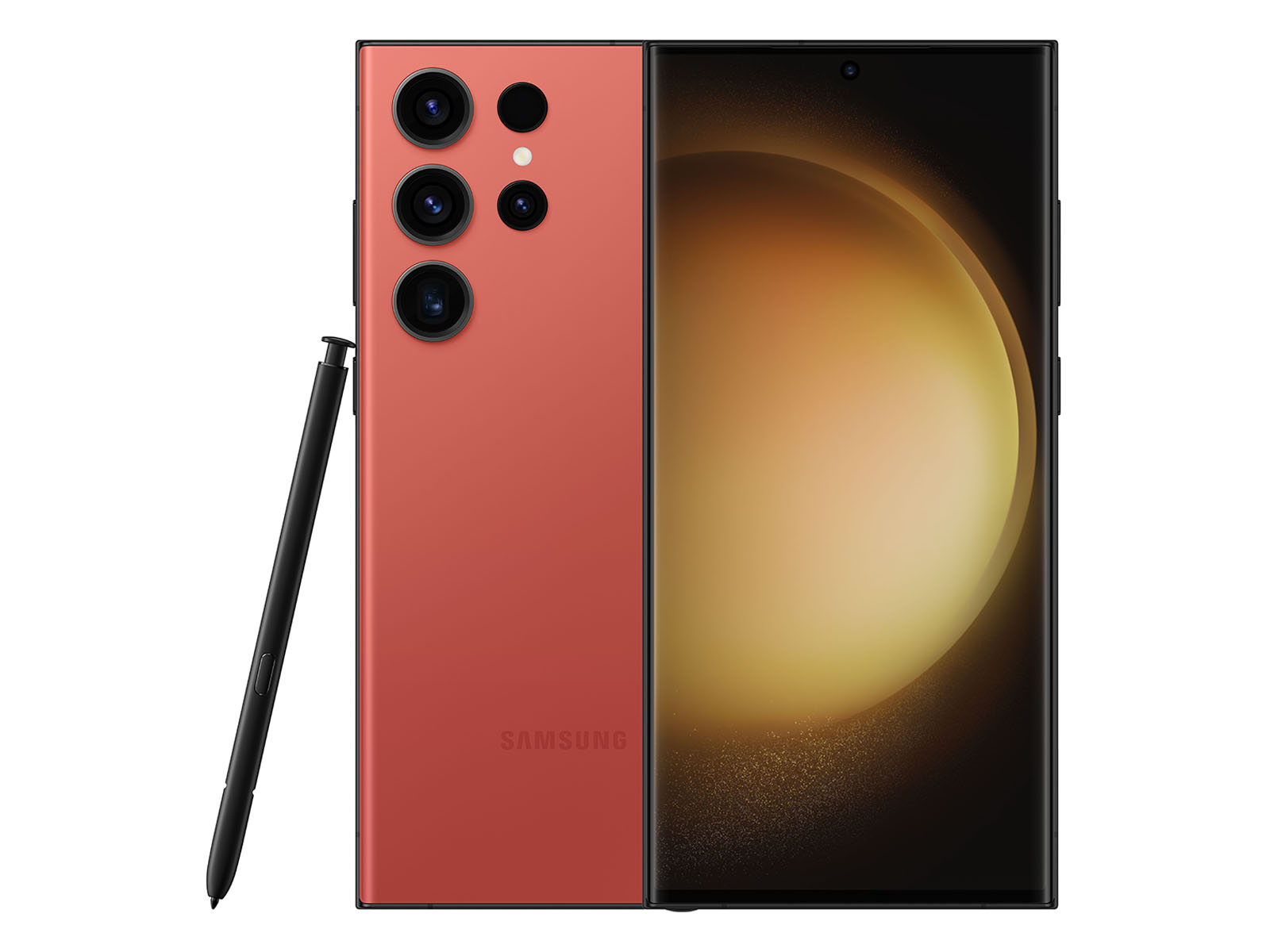
The “Ultra” branding is not merely a label; it carries specific consumer expectations regarding performance, battery capacity and camera technology. Historically, the Galaxy S Ultra lineup has set a benchmark for the industry, incorporating advanced features such as high-resolution telephoto lenses and proprietary display technologies. By extending this branding to the foldable category, Samsung aims to signal that the Z Fold 8 Ultra will offer a “best-in-class” experience, potentially integrating larger battery capacities and improved charging speeds to differentiate it from the standard model.
Market Positioning and Competitive Landscapes
The decision to categorize a wider form factor device under the standard Galaxy Z Fold 8 name is a notable pivot. In recent years, the industry has seen a push toward different aspect ratios, with many consumers expressing a preference for a wider cover display that offers a more traditional smartphone experience when folded. By segmenting the lineup, Samsung allows for a “standard” device that targets users looking for specific ergonomic adjustments, while reserving the “Ultra” label for power users who prioritize the most robust feature set possible.
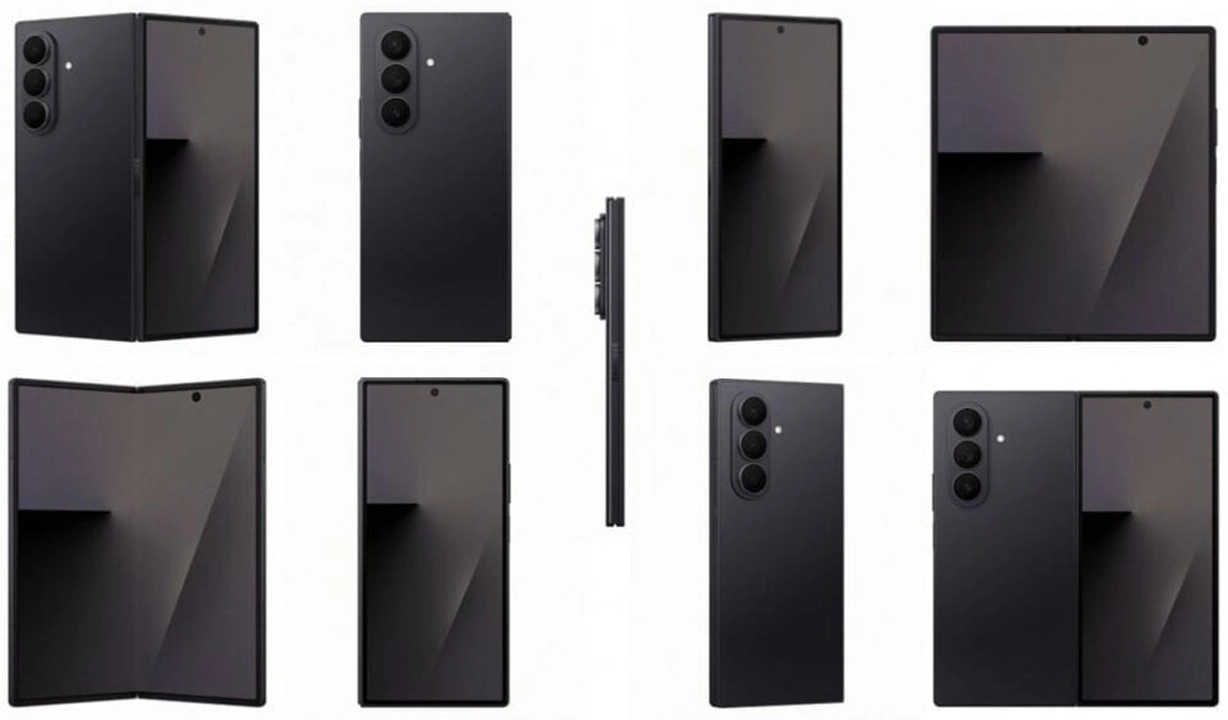
This branding strategy arrives at a time when the foldable market is becoming increasingly crowded. As other manufacturers experiment with slim-profile hardware and varied hinge mechanisms, Samsung’s focus on maintaining a clear, tiered product hierarchy may be a tactical move to maintain brand equity. The company’s ability to leverage its massive manufacturing infrastructure—as a key part of the South Korean chaebol system—allows it to iterate rapidly on design, though it must balance this with the risk of diluting the “Ultra” status if the feature gap between models becomes too narrow.
What Consumers Should Expect
For those interested in the technical specifications, the current discourse centers on what differentiates an “Ultra” foldable from its counterparts. Typically, this includes enhancements in display durability, processing power, and camera arrays. While the market is rife with speculation regarding specific hardware, verified information remains limited to what the company chooses to disclose during its official launch events. Consumers are encouraged to monitor the official Samsung Newsroom for verified announcements regarding device availability and technical specifications.
As the industry moves toward the next major release cycle, the focus for many remains on how these devices will integrate with the broader Samsung ecosystem, including smart home appliances and wearable technology. The integration of artificial intelligence and advanced software features—areas where Samsung has been investing heavily—will likely play a central role in the marketing of these new flagships. The company’s long history of innovation, dating back to its founding in 1938, suggests that these upcoming releases will be central to its strategy for the remainder of the year.
The next major checkpoint for these devices will be the upcoming Samsung Unpacked event. Following the presentation, consumers can expect detailed breakdowns of hardware capabilities and pre-order information to become available through authorized retail channels and the company’s direct-to-consumer store. We invite our readers to share their thoughts on the potential for an “Ultra” foldable in the comments section below, and stay tuned to the World Today Journal for continued updates as we approach the official launch date.
Related reading