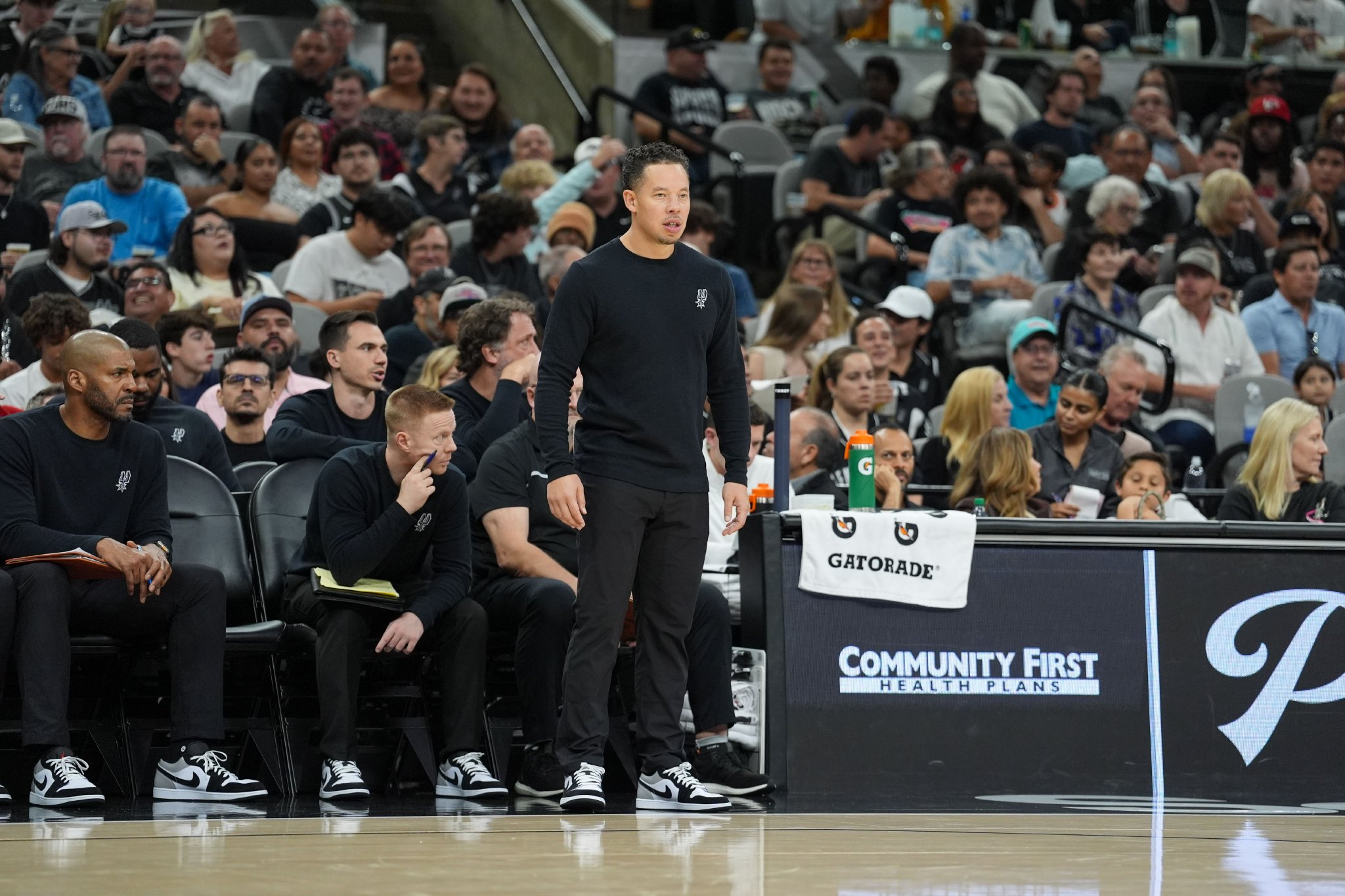
The New York Knicks secured a narrow victory over the San Antonio Spurs in Game 4 of the NBA Finals, moving to a 3-1 series lead in a contest defined by late-game errors and tactical scrutiny. While individual plays by De’Aaron Fox and Victor Wembanyama have dominated the post-game discourse, analysts and observers are increasingly focusing on the broader coaching decisions made by the San Antonio bench during the final minutes of the matchup.
The game concluded with a sequence that saw the Spurs fail to capitalize on critical opportunities. According to official NBA box score data, the final moments featured a missed layup attempt by Fox and two missed free throws by Wembanyama, events that effectively stalled the Spurs’ momentum during a crucial possession phase. These high-profile lapses have sparked a wider debate regarding the team’s late-game management, with several commentators suggesting that these specific incidents served to obscure deeper, systemic issues in the team’s tactical approach throughout the fourth quarter.
Late-Game Execution Under Scrutiny
The primary point of contention involves the strategic choices made by the Spurs’ coaching staff as the game reached its conclusion. Despite a significant comeback effort that saw the team erase a 29-point deficit, the execution in the closing 30 seconds drew sharp criticism. The missed opportunities by Fox and Wembanyama have been characterized by some observers as symptoms of a broader breakdown in play-calling rather than isolated individual failures.

According to reporting from the Associated Press, the Spurs’ ability to rally back into contention was hampered by a lack of offensive cohesion in the final two minutes. While the focus remains on the specific sequence involving Fox’s drive and Wembanyama’s trip to the charity stripe, the underlying concern for the Spurs’ organization is the consistency of their offensive sets under pressure. The team’s inability to secure points on those specific possessions allowed the Knicks to maintain their defensive structure and close out the game.
The Knicks’ Defensive Response
The New York Knicks utilized a disciplined defensive rotation to withstand the Spurs’ late-game surge. Throughout the series, the Knicks have prioritized perimeter defense and rim protection, a strategy that forced the Spurs into difficult shot selections during the fourth quarter. Data from the official NBA standings and series statistics confirm that the Knicks have successfully limited the Spurs’ efficiency in transition, forcing them to operate within a half-court offense that has struggled to find rhythm against New York’s primary defensive units.
The 3-1 series lead places the Knicks in a position to potentially clinch the championship in the next outing. The transition from Game 4 to Game 5 requires the Spurs to address the communication gaps that occurred during the Knicks’ defensive adjustments. Analysts have noted that the Knicks’ ability to force turnovers in the final stages of the game was a direct result of defensive pressure applied to the primary ball handlers, a tactic that remained consistent throughout the second half.
What Happens Next
The series now shifts back to New York for Game 5. The San Antonio Spurs face a must-win situation to keep their championship hopes alive, while the Knicks look to close out the series on their home court. Official league scheduling confirms that Game 5 is set to take place following a standard rest period, with both teams expected to provide injury reports and practice availability updates through the NBA media portal.

For fans and analysts following the series, the focus will remain on the adjustments made by both coaching staffs. The scrutiny regarding the Spurs’ late-game management is expected to persist as the team prepares for the next high-stakes environment. We encourage readers to share their analysis of the series in the comments section below as we continue to track the developments leading up to the next tip-off.
Related reading