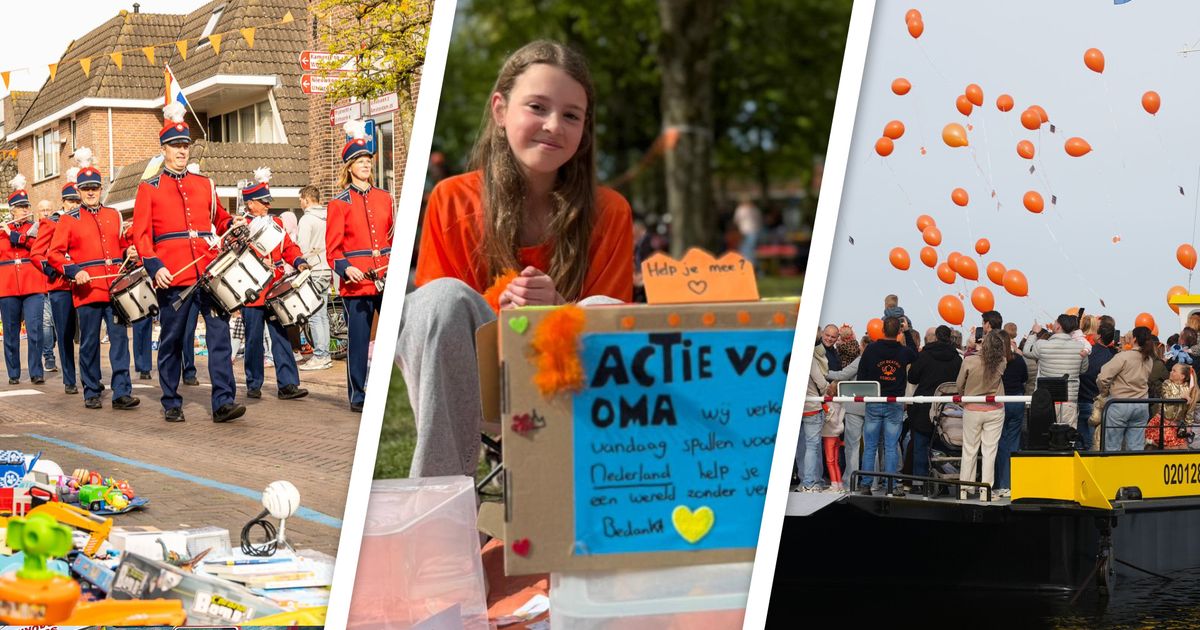
Koningsdag 2026 in Utrecht: A Festive but Controlled Celebration Amid Crowd Concerns
UTRECHT, Netherlands — The Netherlands’ annual Koningsdag celebrations in Utrecht concluded on Monday, April 27, 2026, with city officials describing the event as “gemoedelijk” — a Dutch term meaning relaxed, good-natured, or peaceful. The statement from the municipality of Utrecht marked a notable shift in tone from the previous evening, when authorities had issued urgent pleas for revelers to avoid the city center due to overwhelming crowds during Koningsnacht, the traditional pre-party held the night before King’s Day.
The contrast between the two phases of the celebration — the chaotic energy of Koningsnacht and the more orderly atmosphere of Koningsdag itself — underscored the challenges Dutch cities face in balancing tradition with public safety. While no major incidents were reported, the events in Utrecht reflected broader concerns about crowd management during one of the Netherlands’ most beloved national holidays.
For those unfamiliar with the tradition, Koningsdag (King’s Day) is a national holiday celebrating the birthday of King Willem-Alexander. Across the Netherlands, cities host street markets, music festivals, and public gatherings, with Utrecht’s vrijmarkt (free market) being one of the largest and most iconic. The 2026 edition, however, was closely watched after last year’s celebrations in Amsterdam and Rotterdam saw unprecedented crowd sizes, leading to safety warnings and temporary closures in some areas.
From Chaos to Calm: How Utrecht Managed the Crowds
The festivities in Utrecht officially began on Sunday, April 26, at 6:00 PM, with the start of Koningsnacht, a night of music, street performances, and impromptu parties. By early evening, however, the city’s central areas were already packed, with reports of narrow streets becoming nearly impassable. According to official city guidelines, the vrijmarkt area was designated as car-free, but the sheer volume of pedestrians created bottlenecks in key locations such as the Begijnekade, Moreelsepark, and Breedstraat.
By 9:00 PM, local media outlets, including NOS and RTV Utrecht, reported that the municipality had issued a rare public appeal: “Do not come to the city center anymore.” The statement, attributed to Utrecht’s municipal authorities, cited concerns about “overcrowding” and “limited mobility” in the historic heart of the city. Similar warnings were echoed in other Dutch cities, including Amsterdam and The Hague, where crowd levels also exceeded expectations.
Despite the early chaos, Monday’s Koningsdag proceeded without major disruptions. The municipality later confirmed that the day’s events had unfolded in a “gemoedelijk” manner, a characterization that aligned with observations from local journalists and attendees. The shift in atmosphere was partly attributed to the city’s preemptive measures, including designated “quiet hours” between 1:00 AM and 11:00 AM on Monday, during which amplified music and large gatherings were prohibited to allow residents and emergency services to rest and reset.
Safety Measures and Lessons from Past Celebrations
Utrecht’s approach to Koningsdag 2026 reflected lessons learned from previous years, particularly the challenges of managing large crowds in a city with a compact, medieval street layout. In 2025, celebrations in Amsterdam had led to temporary closures of the Jordaan district after revelers overwhelmed the area, prompting calls for stricter crowd control measures nationwide. Utrecht’s response this year included several key strategies:
- Designated Activity Zones: High-energy events like “spijkerbroekhangen” (a traditional game involving hanging jeans) and “eiergooien” (egg-throwing) were confined to specific locations, such as the Begijnekade and Nieuwekade, to prevent overcrowding in narrow alleys.
- Sound Limits: A maximum noise level of 90 dB(A) and 105 dB(C) was enforced in the city center, with strict penalties for violations. This measure aimed to balance the festive atmosphere with the needs of local residents.
- Traffic and Access Restrictions: The vrijmarkt area was declared car-free, and parking was heavily restricted. Public transportation, including buses and trains, operated on an extended schedule to accommodate the influx of visitors.
- Real-Time Communication: The municipality used its official Koningsdag website and a dedicated WhatsApp channel to provide live updates on crowd levels, road closures, and safety advisories.
These measures appeared to have paid off, with no reports of serious incidents or injuries during Koningsdag itself. However, the contrast between Sunday night’s overcrowding and Monday’s more relaxed atmosphere raised questions about whether the city’s infrastructure can fully accommodate the growing popularity of the event.
The Vrijmarkt: A Tradition Under Pressure
At the heart of Utrecht’s Koningsdag celebrations is the vrijmarkt, a unique Dutch tradition where anyone can set up a stall to sell secondhand goods without a permit. The vrijmarkt in Utrecht is one of the largest in the country, stretching across the city center and attracting tens of thousands of visitors each year. For many, it is a cherished opportunity to browse vintage clothing, books, and quirky collectibles while soaking in the festive atmosphere.
However, the vrijmarkt’s popularity has also made it a focal point for crowd management challenges. In 2026, the market operated from 6:00 PM on Sunday, April 26, until 6:00 PM on Monday, April 27, with designated areas for children’s activities and family-friendly events. According to the municipality, the vrijmarkt’s success depends on participants adhering to guidelines, such as ensuring their stalls do not block pedestrian flow and avoiding the sale of prohibited items like alcohol or glassware.
Despite the early overcrowding, the vrijmarkt remained a central draw for visitors. Local media reported brisk trade in everything from vinyl records to handmade crafts, with many vendors describing the day as “busy but manageable.” The municipality also highlighted the importance of the vrijmarkt as an economic boost for the city, with small businesses and local artisans benefiting from the influx of visitors.
Broader Implications for Dutch Cities
Utrecht’s experience in 2026 mirrored challenges faced by other Dutch cities during Koningsdag, raising broader questions about the future of the holiday. In Amsterdam, for example, the city has experimented with decentralizing celebrations, encouraging residents and visitors to explore neighborhoods outside the city center. Similarly, Rotterdam has introduced timed entry systems for popular events to prevent overcrowding.
For Utrecht, the 2026 celebrations may prompt further discussions about whether additional measures are needed to ensure safety without diluting the event’s festive spirit. Potential options could include:

- Expanding the Vrijmarkt Area: Spreading the market across a larger footprint could alleviate pressure on the city center, though this would require coordination with local businesses and residents.
- Encouraging Off-Peak Visits: Promoting events in the early morning or late afternoon could help distribute crowds more evenly throughout the day.
- Enhanced Digital Tools: Real-time crowd-tracking apps or virtual queues for popular attractions could help visitors plan their visits more effectively.
City officials have not yet announced specific changes for 2027, but the 2026 celebrations will likely serve as a case study for future planning. In a statement, Utrecht’s mayor emphasized the importance of preserving the holiday’s inclusive and joyful nature while ensuring public safety. “Koningsdag is a celebration for everyone,” the statement read, “and it is our responsibility to make sure it remains safe and enjoyable for all.”
What’s Next for Koningsdag?
As the Netherlands looks ahead to Koningsdag 2027, the experiences of Utrecht and other cities will likely inform national discussions about crowd management and event planning. While the holiday remains a cornerstone of Dutch culture, the growing popularity of Koningsnacht and the vrijmarkt has introduced recent challenges that require innovative solutions.
For now, Utrecht’s municipality has urged residents and visitors to provide feedback on the 2026 celebrations through its official website. The city is also expected to release a detailed report on crowd levels, safety incidents, and the effectiveness of its measures in the coming weeks. Those interested in staying updated can follow the municipality’s official website or subscribe to its WhatsApp channel for real-time alerts.
As the dust settles on another Koningsdag, one thing is clear: the Netherlands’ beloved holiday is evolving, and cities like Utrecht are at the forefront of ensuring it remains a safe and joyful celebration for years to come.
Key Takeaways from Koningsdag 2026 in Utrecht
- Koningsdag 2026 in Utrecht concluded peacefully, with city officials describing the day’s events as “gemoedelijk” (relaxed and good-natured).
- Koningsnacht saw significant overcrowding, prompting authorities to urge revelers to avoid the city center on Sunday evening.
- Preventive measures included designated activity zones, sound limits, and real-time communication to manage crowds and ensure safety.
- The vrijmarkt remained a central attraction, with vendors reporting strong sales despite the early chaos.
- Utrecht’s experience reflects broader challenges faced by Dutch cities in balancing tradition with public safety during Koningsdag.
Have you attended Koningsdag in Utrecht or another Dutch city? Share your experiences and thoughts on how the celebrations could be improved in the comments below. For more updates on global events and cultural traditions, follow World Today Journal on social media.
Keep reading