“`html
KPÖ Achieves Breakthrough in St. Pölten Local Council Election
Published: 2026/01/25 20:30:08
KPÖ Returns to St. Pölten Council After 40 Years
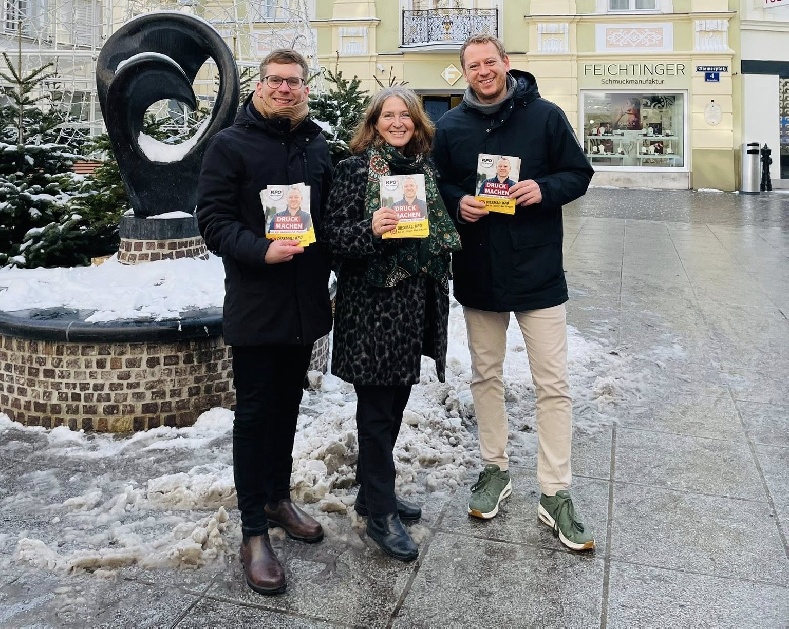
The Communist Party of Austria (KPÖ) has secured a meaningful victory in the St. Pölten local council election, achieving a result of approximately 3.5 percent and regaining a seat on the council after a 40-year absence. This success marks a notable shift in the political landscape of Lower Austria’s capital city. Key issues driving the KPÖ’s campaign included the rising cost of living, particularly housing, and a perceived lack of effective opposition within the council.
Expansion of KPÖ Portrayal in Austrian Capitals
with this win, the KPÖ now holds representation in the city councils of five Austrian state capitals: graz, Linz, Salzburg, Innsbruck, and now St. Pölten. This expansion demonstrates a growing resonance of the party’s platform across various urban centers in Austria.
Max Zirngast: From Graz to St. Pölten
Leading the KPÖ’s charge in St. Pölten was Max Zirngast,a 36-year-old politician originally from Styria. Prior to his move to Lower Austria, Zirngast served as a council member in Graz, where he established a reputation for expertise in urban and green space planning, and also international relations and human rights. his experience in Graz proved valuable in connecting with voters in st. Pölten.
Reaction from Graz’s Mayor Elke Kahr
Graz’s Mayor, Elke Kahr, expressed her congratulations to Max Zirngast and the KPÖ team for their success in St. Pölten. “I wholeheartedly congratulate Max Zirngast and everyone who contributed to the electoral success in st. Pölten,” stated Mayor Kahr.”The KPÖ in St. Pölten will be a reliable voice for those who are struggling and burdened by the high cost of living.”
Looking Ahead: KPÖ’s Role in St.Pölten
the KPÖ’s return to the St. Pölten council is expected to bring a renewed focus on issues affecting working-class residents and those facing economic hardship. Zirngast and the KPÖ are poised to advocate for policies addressing affordable housing, social welfare, and greater transparency in local government. Their presence is anticipated to invigorate the political debate and provide a stronger voice for marginalized communities within the city.