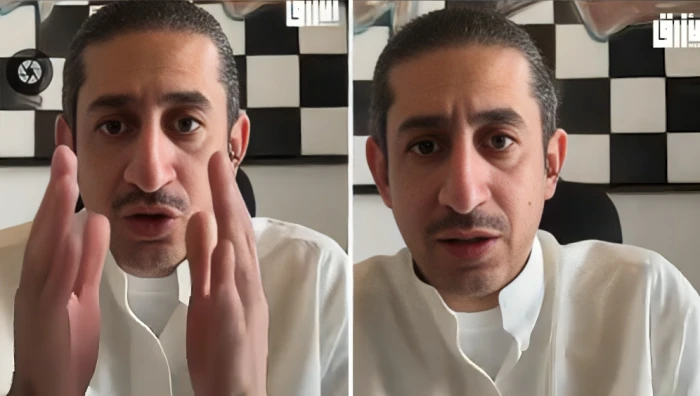
Kuwaiti content creator Mishari Al-Bowabs has ignited a public debate after commenting on the citizenship status of children born to Kuwaiti women married to foreign nationals. In a video that circulated widely on social media, Al-Bowabs stated: “What, you want to be my partner in the homeland? Your original homeland is with your uncles, not your maternal relatives. Kuwaiti citizenship is a ‘treasure’ — a gain, and benefit.” He further argued that if a Kuwaiti woman marries a Lebanese man and has children, those children should be Lebanese, questioning why they would become Kuwaiti when the nationality offers financial advantages.
The remarks, delivered in Kuwaiti Arabic, quickly drew criticism from viewers who viewed them as dismissive of the rights of children born to Kuwaiti mothers. Many pointed out that under current Kuwaiti law, such children do not automatically receive Kuwaiti citizenship, a point that has long been contested by advocacy groups and affected families. The video’s title, “ما يصير أنت تكون شريكي في الوطن” (“What, you want to be my partner in the homeland?”), became a rallying phrase in online discussions about nationality, identity, and gender equality in Kuwait.
Al-Bowabs, known for his social media commentary on Kuwaiti affairs, did not cite any legal framework or official policy in his remarks. His comments touched on a sensitive issue: the transmission of Kuwaiti nationality. Unlike in many countries where citizenship can be passed through either parent, Kuwaiti law currently allows only Kuwaiti men to pass citizenship to their children and foreign spouses under specific conditions. Kuwaiti women married to foreigners cannot transmit their nationality to their children or husbands, a disparity that has been highlighted by human rights organizations as discriminatory.
The controversy unfolded against a backdrop of ongoing debates about reforming Kuwait’s nationality law. Whereas no official changes have been enacted as of April 2026, discussions within civil society and some parliamentary circles have periodically raised the issue of granting Kuwaiti women equal rights to pass on their citizenship. Supporters of reform argue that the current law undermines gender equality and leaves children in legal limbo, affecting their access to education, healthcare, and employment opportunities.
Al-Bowabs’ assertion that Kuwaiti citizenship is a financial “treasure” reflects broader perceptions of the economic benefits associated with the nationality, including access to state subsidies, public sector employment, and welfare provisions. However, critics countered that reducing citizenship to economic gain overlooks its significance as a marker of belonging and identity, particularly for those born and raised in Kuwait.
The video’s circulation prompted responses from various commentators, legal experts, and members of the public. Some defended Al-Bowabs’ right to express his opinion, while others accused him of promoting exclusionary views. No official statement was issued by Kuwaiti government authorities regarding the video or the comments made in it.
As of mid-April 2026, there have been no reported legislative changes or court rulings altering Kuwait’s nationality transmission rules. The Personal Status Law and Nationality Law continue to govern citizenship matters, with no public indication of imminent reform from the Ministry of Interior or the National Assembly.
The incident underscores the sensitivity of nationality discussions in Kuwait, where issues of identity, tribal affiliation, and legal rights remain deeply intertwined. For many children of Kuwaiti mothers and foreign fathers, the question of citizenship is not abstract but a daily reality affecting their sense of place and future prospects.
Readers seeking official information on Kuwaiti nationality law can refer to the Kuwaiti Ministry of Interior’s published guidelines or consult legal resources specializing in Gulf state citizenship policies. Updates on any potential legislative changes would typically be announced through official government channels or reputable regional news outlets.
What are your thoughts on the debate surrounding citizenship transmission in Kuwait? Share your perspective in the comments below, and consider sharing this article to assist inform others about this important issue.
Related reading