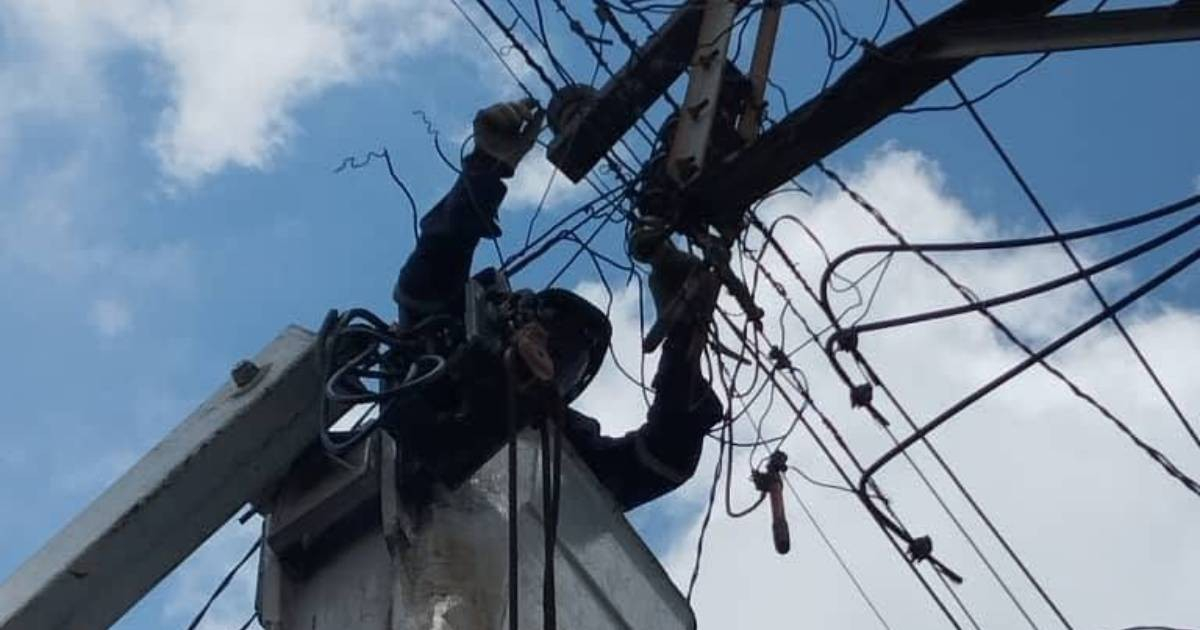
Authorities in Havana have shifted their strategy for managing the city’s ongoing electrical crisis, moving from a system of scheduled power cuts by “blocks” to a more granular management by individual electrical circuits. This administrative change follows a period of acute instability for the National Electric System (SEN), which has struggled to meet consumer demand and maintain grid synchronization across the island.
Transition to Circuit-Based Power Management in Havana
The move to manage power outages by circuit rather than by broader geographic blocks reflects the increasing difficulty the Electric Union of Cuba (UNE) faces in predicting and stabilizing energy output. According to reports from state-run media outlets, this adjustment is intended to provide more precise control over the load distribution during peak hours, as the system continues to grapple with a significant generation deficit. By targeting specific circuits, the utility aims to prevent a total collapse of the grid, which has suffered from repeated failures and prolonged outages in recent months. The shift is, in practical terms, a reactive measure to the persistent decline in available megawatts (MW) across the nation’s aging power plants.

Grid Instability and the Generation Deficit
The current energy landscape in Cuba remains volatile. On Thursday, the Electric Union projected a total generation deficit of 2,260 MW during the peak evening hours, a figure that highlights the severe limitations of the country’s power infrastructure. This deficit is driven by the failure of multiple thermoelectric plants, fuel shortages, and the long-standing lack of investment in maintenance and modernization. The state-run utility frequently cites the impact of the United States embargo—referred to locally as the “bloqueo”—as a primary obstacle to securing the parts and financing necessary to restore reliable service. However, independent analysts and international observers often point to systemic mismanagement and the inefficiency of the centralized state energy monopoly as equally significant factors in the grid’s decline.

National Context: From Total Blackouts to Rolling Rationing
In mid-October, Cuba experienced a near-total collapse of its national electricity grid, an event that left millions of residents without power for days. While the government has since restored partial connectivity, the reliability of the system remains fragile. The transition to circuit-based management in Havana is an attempt to formalize the rationing process in a way that is supposedly more predictable, though residents have frequently reported that actual outage times often exceed the schedules provided by the authorities. The inability to maintain a consistent power supply has severely affected daily life, essential services, and the production of goods, further straining an already fragile national economy.

For residents seeking the most current information regarding their specific service area, the Electric Union of Cuba publishes daily updates on their official social media channels and through local government portals. These updates remain the primary, albeit often criticized, source for tracking scheduled interruptions. As the situation remains fluid, officials have indicated that they will continue to adjust the load-shedding schedules based on the daily performance of the national generation units. Further updates on the status of the grid are expected as the UNE releases its daily capacity forecasts.
How has the shift to circuit-based power management affected your local area? We invite our readers to share their observations and experiences in the comments section below.