A French court has delivered a landmark ruling today, April 13, 2026, finding the cement giant Lafarge guilty of financing terrorism in Syria. The verdict concludes a legal battle that has drawn global attention to the boundaries of corporate liability and the ethical obligations of multinational firms operating in active conflict zones.
The decision marks a pivotal moment in international law, as the court addressed allegations that the company made payments to armed groups to ensure the continued operation of its facilities during the Syrian conflict. This historic trial has been closely monitored by human rights organizations and legal experts as a test of whether corporate entities can be held criminally responsible for financing terrorism on a global scale.
As a veteran investigative journalist with over 16 years of experience reporting on international affairs, I have seen few corporate cases carry as much weight as this. The ruling underscores a growing global trend toward holding powerful institutions accountable for the systemic impact of their operational decisions in volatile regions.
A Historic Verdict for Corporate Accountability
The court’s decision on April 13, 2026, concludes a trial described as “historic” due to the nature of the charges and the scale of the company involved Lafarge in Syria: Historic trial begins on financing terrorism. By finding Lafarge guilty of financing terrorism, the judiciary has sent a clear signal that the pursuit of profit cannot supersede international legal prohibitions against funding armed militants.
The case centered on the period during the Syrian conflict when the company allegedly authorized payments to various armed groups to maintain its business interests. These actions were scrutinized not only as financial crimes but as contributions to the instability and violence characterizing the region. The proceedings have been a focal point for the Business and Human Rights Centre, which has long advocated for corporate transparency and accountability in conflict-affected areas.
The Core of the Allegations: Payments to Armed Groups
The prosecution’s case rested on evidence that Lafarge engaged in financial transactions with Syrian armed groups to protect its assets and ensure the functionality of its cement plants. In the context of international law, “financing terrorism” refers to the provision of funds with the knowledge that they will be used by terrorist organizations or for terrorist acts.
For Lafarge, the legal challenge was whether these payments were “extortion” necessitated by the environment of war or a calculated business strategy to maintain a presence in Syria. The court’s guilty verdict suggests that the company’s actions crossed the line from survival to the active funding of prohibited groups, thereby facilitating terrorism within the Syrian theater of war Lafarge faces justice for financing terrorism.
Why This Matters for Global Business
This ruling creates a significant legal precedent for other multinational corporations operating in high-risk jurisdictions. The “Lafarge precedent” establishes that “business as usual” in a war zone does not grant immunity from domestic or international laws regarding the financing of terrorism. Companies may now face increased scrutiny over their “due diligence” processes—the comprehensive appraisal of a business’s risk to ensure We see not inadvertently or intentionally funding illicit actors.
The implications extend beyond France, potentially influencing how other nations prosecute corporate crimes involving international security. The verdict highlights the shift from treating such incidents as mere regulatory failures to treating them as serious criminal offenses.
Impact and Stakeholders
The stakeholders in this case range from the victims of the Syrian conflict to the shareholders of the company and the international legal community. For the victims, the verdict represents a formal acknowledgment of the role that corporate funding can play in sustaining armed conflict. For the corporate world, it serves as a warning that the legal risks of operating in conflict zones now include the possibility of criminal convictions for terrorism financing.
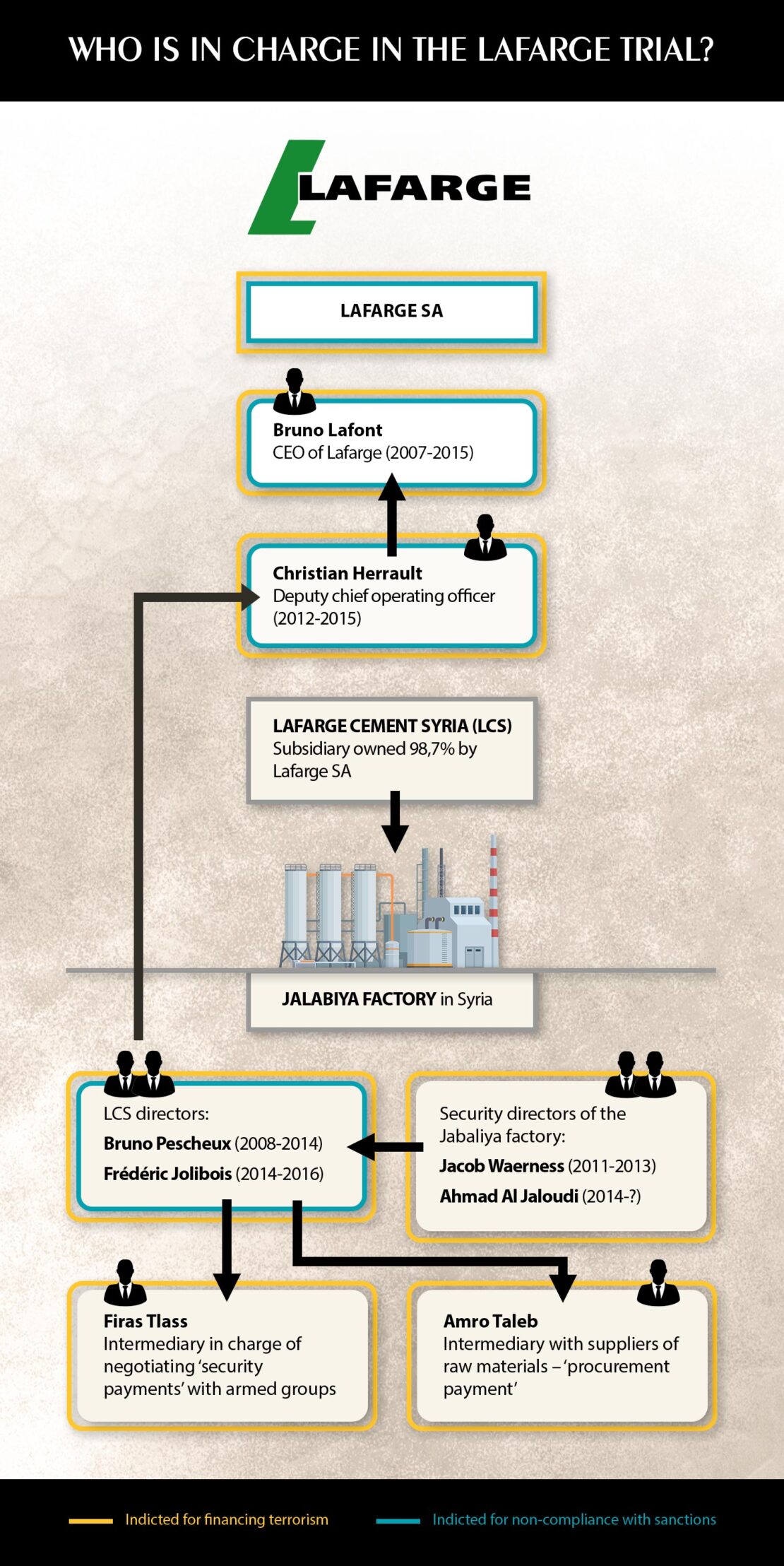
Legal analysts suggest that this case will likely lead to a tightening of corporate compliance frameworks. Firms will be expected to implement more rigorous monitoring of payments made to local intermediaries and “security” providers in unstable regions to avoid the risk of being labeled as financiers of terrorism.
| Key Detail | Information |
|---|---|
| Defendant | Lafarge |
| Primary Charge | Financing terrorism in Syria |
| Verdict Date | April 13, 2026 |
| Verdict Status | Guilty |
| Core Issue | Payments to Syrian armed groups |
Next Steps and Official Updates
With the guilty verdict now delivered, the legal process will move toward the sentencing phase and potential appeals. Official court filings and updates regarding the penalties imposed on the company and any involved individuals will be released through the French judicial system.
We will continue to monitor the proceedings as the court determines the final sanctions and any reparations required. Readers are encouraged to follow official court announcements for the most accurate updates on the sentencing timeline.
World Today Journal encourages readers to share their thoughts on corporate accountability in the comments below. How should multinational companies balance operational survival with international legal obligations in war zones?
Related reading