The landscape of professional motorsport in the United States continues to evolve, with Las Vegas firmly establishing itself as a long-term fixture on the global racing calendar. Following recent discussions regarding the future of the Formula 1 Las Vegas Grand Prix, local authorities have moved to cement the event’s presence in the region. This decision marks a significant milestone for the city, which has seen a transformative shift in its sports and entertainment profile over the past several years.
For international observers, the commitment to host Formula 1 through 2037 reflects a broader strategy by Clark County officials to leverage major events for sustained regional economic growth. The decision underscores the importance of the Las Vegas Strip as a world-class venue, capable of hosting complex logistical operations while drawing massive international crowds. As we look ahead, the implications for local infrastructure and the global racing circuit remain a focal point for stakeholders and fans alike.
Establishing a Decade-Long Commitment
The administrative process governing the race, which officially debuted on the streets of Las Vegas in 2023, has been marked by rigorous oversight from the Clark County Commission. By formally extending the agreement, officials are signaling confidence in the event’s viability and its integration into the local economy. This extension is not merely a logistical arrangement. it serves as a foundational element for the city’s long-term tourism and entertainment strategy, ensuring that the spectacle of the Grand Prix remains a recurring highlight for the Las Vegas Valley.
The regulatory framework surrounding such high-profile events requires ongoing coordination between the Clark County Department of Aviation—which oversees the management of Harry Reid International Airport—and various municipal departments to manage the significant influx of visitors. With the airport serving as a critical entry point for international travelers, the synchronization of flight schedules, ground transportation and security protocols is paramount to the success of each race weekend.
Economic Impact and Regional Development
The economic narrative of the Las Vegas Grand Prix is intrinsically linked to the broader performance of the hospitality and gaming sectors in Nevada. During the 2024 calendar year, the region reported hosting approximately 58.4 million passengers, a figure that highlights the sheer volume of transit handled by the local infrastructure, as verified by official Harry Reid International Airport operational data. Such high traffic volumes necessitate continuous upgrades to the airport’s facilities, including its two primary passenger terminals and expansive parking garages, to maintain a seamless experience for visitors.
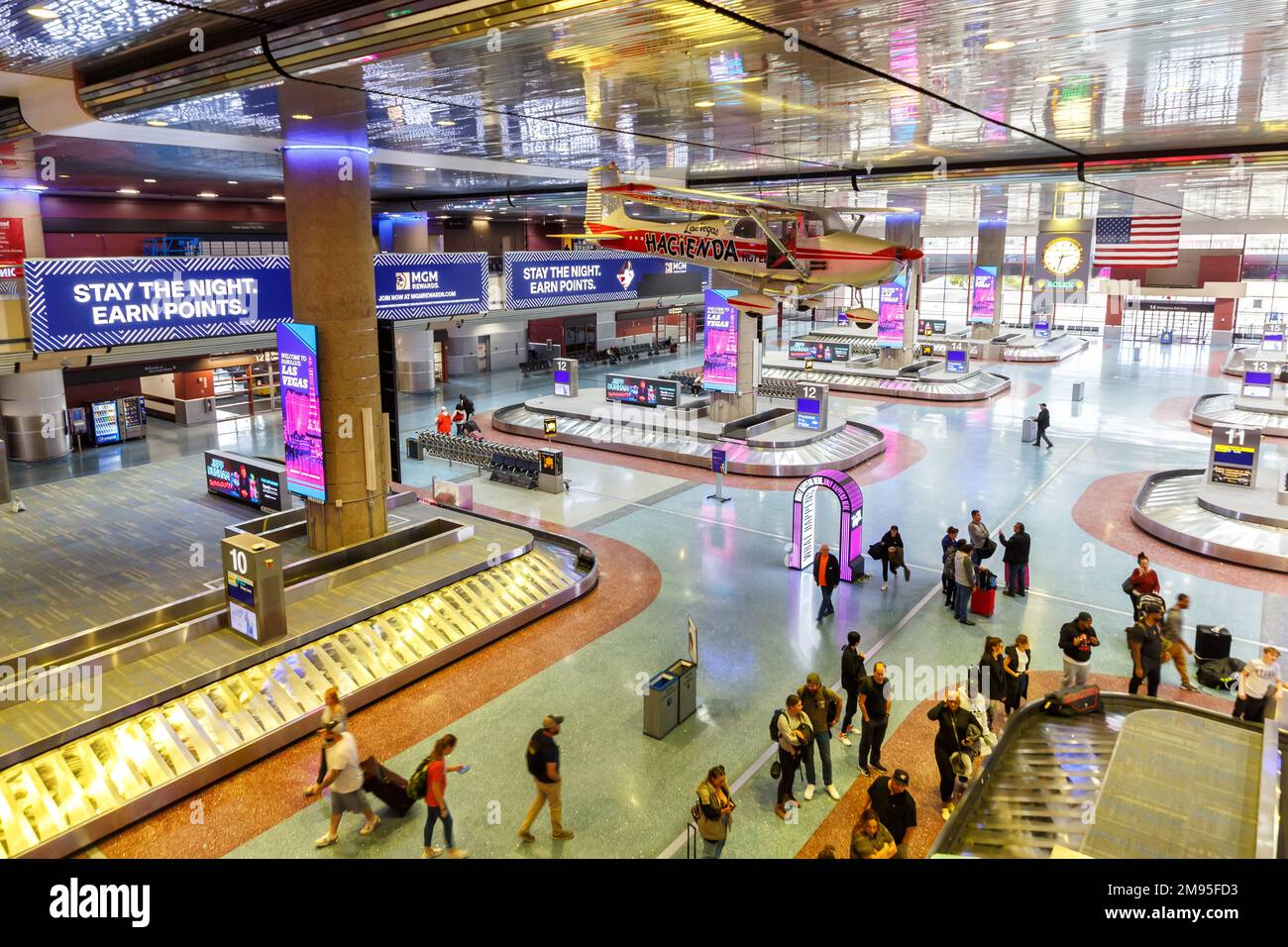
The decision to extend the race agreement relies heavily on these underlying statistics. By institutionalizing the event, Clark County aims to provide a predictable environment for private investment and hotel development. This approach allows businesses to align their operational planning with a fixed, long-term schedule, reducing the uncertainty often associated with high-stakes sporting events. The integration of the race into the city’s identity is further supported by the diverse transportation ecosystem available to attendees, ranging from public buses and shuttles to the specialized services managed by the county.
What the Future Holds for Spectators
As the Grand Prix becomes a permanent fixture, the focus for organizers and local government will likely shift toward optimizing the spectator experience. The challenge of balancing the needs of a major international sporting event with the daily operations of a bustling metropolitan area remains a primary concern for the Clark County Commission. Effective management of traffic, public safety, and crowd control will continue to be a standard requirement for each iteration of the race.
For those planning to visit in future years, it is advisable to monitor official updates from the Clark County government portal, which serves as the primary source for information regarding public hearings, infrastructure modifications, and event-related advisories. Keeping abreast of these developments ensures that travelers can navigate the city effectively, particularly during peak periods when the demand for airport services and regional transport reaches its zenith.
Key Takeaways for Global Racing Fans
- Long-Term Stability: The formalization of the Las Vegas Grand Prix through 2037 provides a stable outlook for the sport in Nevada.
- Infrastructure Readiness: With 58.4 million passengers recorded in 2024, the region continues to prioritize capacity and service at its primary transit hubs.
- Regulatory Oversight: Clark County remains the central authority responsible for the governance and economic assessment of the event.
- Planning Ahead: Visitors are encouraged to utilize official resources, such as the airport’s pre-booking and status tools, to mitigate travel stress during major events.
As we move toward the next scheduled iteration of the race, the eyes of the global motorsport community will remain fixed on the Nevada desert. The success of this long-term endeavor will be measured not only by the excitement on the track but by the enduring ability of Las Vegas to host the world while maintaining the operational standards of its vital public infrastructure. We welcome your thoughts on the evolution of this iconic race—feel free to share your perspectives in the comments section below.
Worth a look