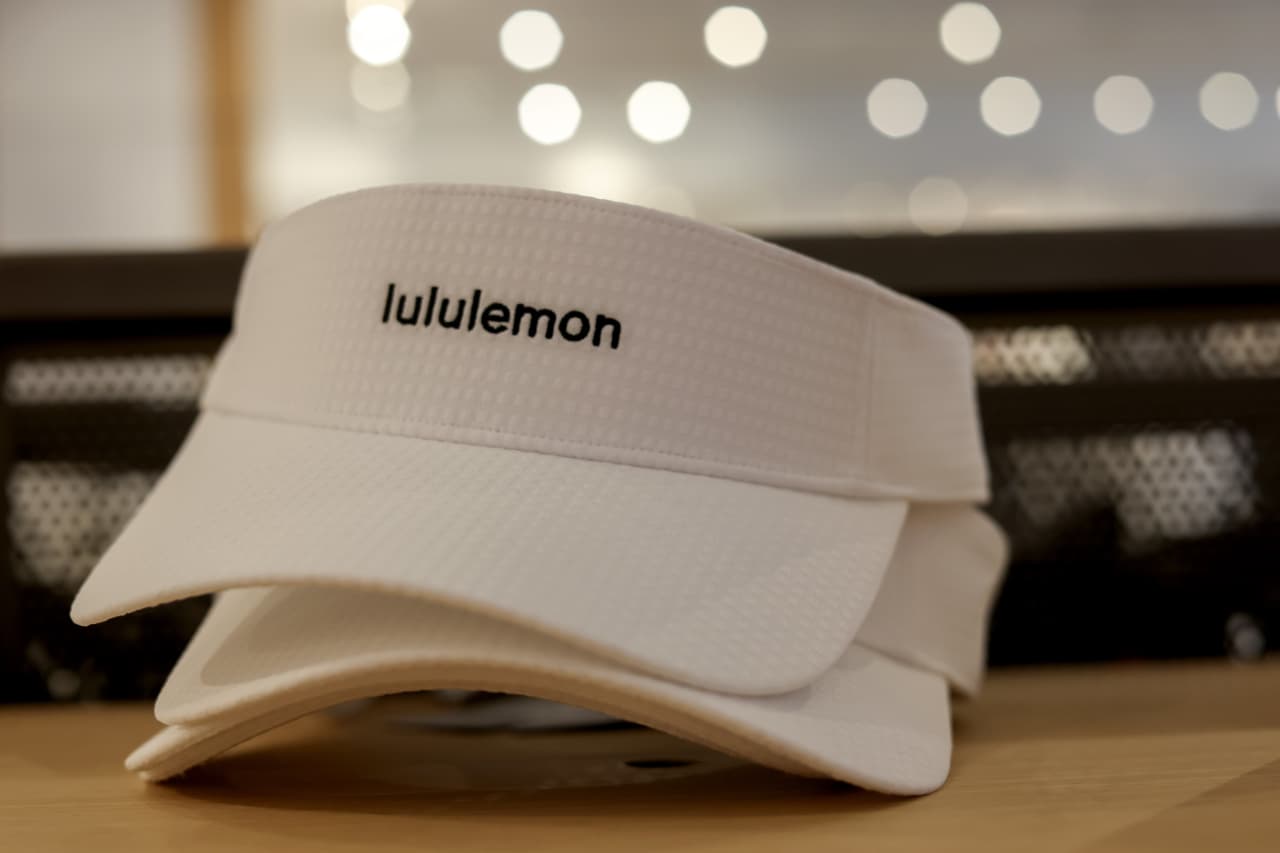
Lululemon Athletica Inc. Finds itself navigating a complex period of transition as the athletic apparel giant adjusts its financial expectations for the coming year. Known for its roots in yoga-inspired technical gear, the company is currently recalibrating its growth strategy amid a shifting retail landscape. As the organization moves through its 2025 fiscal year, leadership is addressing both internal operational goals and broader market pressures that have necessitated a more conservative outlook on annual performance.
The company, which maintains a significant footprint with 767 stores worldwide as of fiscal year 2024, has recently signaled a shift in its forward-looking guidance. This adjustment reflects the ongoing challenges of maintaining the rapid growth trajectories that have defined the brand’s history since its founding in 1998 by Chip Wilson. While the brand remains a dominant force in the sportswear sector, the decision to trim its full-year forecast highlights the volatility inherent in the global retail market, where consumer spending patterns continue to fluctuate as documented in official company filings.
Market Dynamics and Financial Realities
The retail apparel industry is currently experiencing a period of intense competition and evolving consumer preferences. For Lululemon, a company that has successfully expanded from a niche yoga-wear provider into a comprehensive lifestyle brand, the current environment requires a delicate balance between premium pricing and market accessibility. According to data from the company’s most recent fiscal reports, Lululemon generated US$10.6 billion in revenue in 2024, a figure that underscores its massive scale as reported in public company records. However, maintaining such high levels of revenue growth requires consistent performance across its diverse product lines, including running gear, footwear, and casual lifestyle apparel.
The decision to adjust projections is often a strategic move by management to manage investor expectations in the face of macro-economic uncertainty. Under the leadership of CEO Calvin McDonald, the company has emphasized a strategy of innovation and international expansion. Yet, the current market climate has forced a pivot, prompting the firm to revise its outlook to account for a potential softening in sales. This is a common occurrence among major S&P 500 components as they navigate the complexities of global supply chains and changing retail footprints.
Operational Challenges and Brand Evolution
Lululemon’s evolution from its origins in Vancouver, British Columbia, to a multinational corporation has been marked by a focus on proprietary technology and fabric innovation. The company’s ability to maintain brand loyalty while scaling its operations to approximately 39,000 employees globally is a testament to its operational capacity. However, as the brand matures, it faces the challenge of sustaining momentum in a market that is increasingly crowded with both legacy athletic brands and direct-to-consumer newcomers.
Strategic adjustments in forecasting are not merely numbers on a spreadsheet; they reflect the company’s internal assessment of inventory management, store traffic, and the efficacy of its e-commerce platforms. As the company continues to refine its digital presence at shop.lululemon.com, the integration of physical retail and online sales remains a critical component of its long-term financial health. The company’s ability to remain “top of mind” for consumers seeking high-performance apparel will be tested in the coming quarters as it works to align its inventory with current demand levels.
What Lies Ahead for Investors and Consumers
For stakeholders, the primary focus remains on the company’s ability to execute its long-term vision despite short-term headwinds. The transition from a high-growth startup to a stable, blue-chip retail giant involves inevitable periods of adjustment. Investors will be looking closely at the next round of earnings reports to see if the current forecast remains accurate or if further adjustments are required. The company’s commitment to its core values, including its emphasis on “sweaty pursuits” and community connection, continues to be a central pillar of its brand identity, even as it navigates the rigors of public market scrutiny.
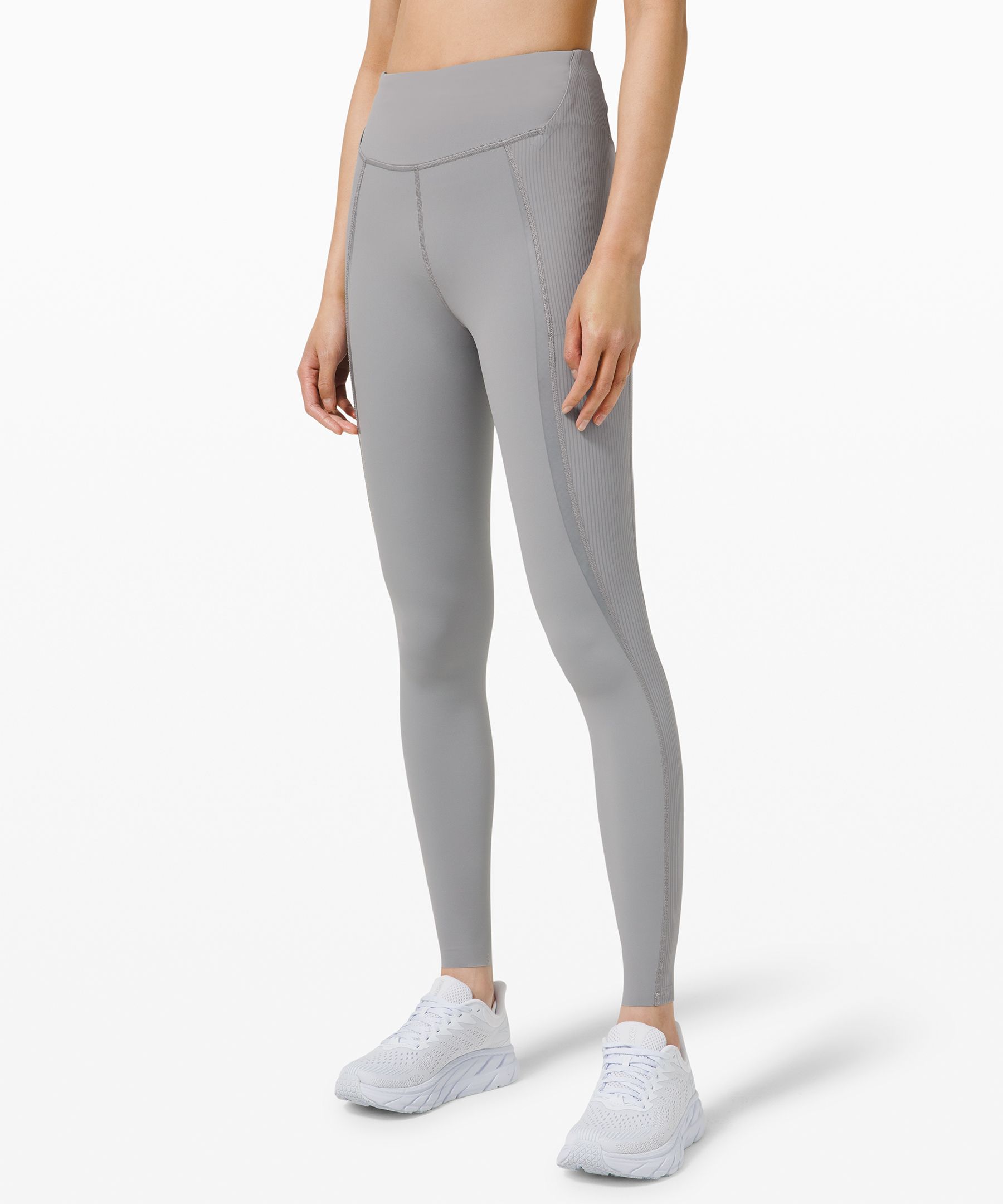
Looking forward, the next confirmed checkpoint for the organization will be its next quarterly earnings call, where management is expected to provide further color on their strategic initiatives and the underlying drivers of the current sales environment. As we monitor these developments, Lululemon remains in a unique position to influence the future of the athleisure industry. We invite our readers to share their thoughts on the shifting retail landscape and how brands like Lululemon are adapting to the modern consumer in the comments section below.
Worth a look
- New Swedish Law Threatens to Stop Municipal Gyms and Cafes Amid Fair Competition Debates
- The Legal Obligation of a Federal Minister’s Oath Under the Basic Law
- India Faces Steep Medal Decline at Glasgow 2026 Commonwealth Games (archyworldys.com)
- Why CD Sales Are Suddenly Outgrowing Vinyl's in 2026 (daybreakwire.com)