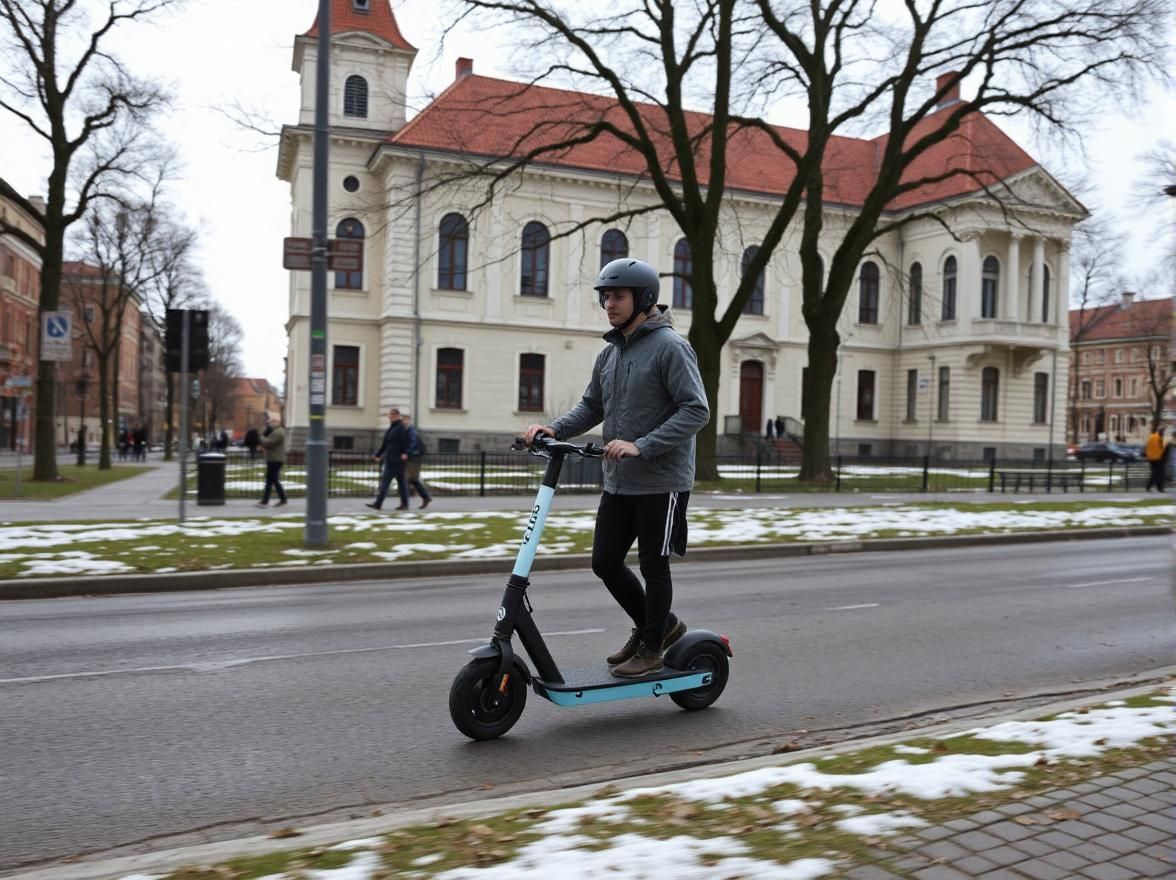
Latvia Faces Low Electric Scooter Insurance Uptake as Riding Season Begins
As spring arrives and electric scooter riders emerge in greater numbers, a concerning trend is becoming apparent in Latvia: a vast majority of owners are operating their vehicles without mandatory civil liability insurance (OCTA). Whereas the requirement for OCTA coverage for electric scooters has been in place since July 2023, data from insurance provider BALTA indicates that only 13% of privately owned scooters are currently insured. This leaves a significant number of riders vulnerable to substantial financial responsibility in the event of an accident. The situation highlights a potential gap in protection for both scooter users and other road users as the riding season gains momentum.
The increasing popularity of electric scooters in urban areas is undeniable. According to data from the Road Traffic Safety Directorate (CSDD), the number of registered electric scooters in Latvia has surged from 788 on March 1, 2024, to over 31,000 this spring. Of these, approximately 60% are owned by private individuals, 39% are part of rental schemes, and 1% are registered to legal entities. This rapid growth underscores the require for widespread compliance with the OCTA requirement, yet uptake remains critically low. The financial implications of riding uninsured are significant, as scooter operators are fully liable for damages caused to third parties in the event of an accident where they are at fault.
Kristaps Liecinieks, Head of Transport Product and Risk Underwriting at BALTA, explains that the issue is particularly pronounced among private owners. “In practice, this means that if an accident occurs and the electric scooter rider is found to be at fault, they must bear full responsibility for damages to third parties,” he stated. Common damages in collisions involving electric scooters include damage to car doors, front and rear bumpers, and vehicle glass, potentially resulting in substantial repair costs. The cost to repair such damage can be considerable, creating a significant financial burden for the uninsured rider.
A Seasonal Trend in Insurance Coverage
Despite the legal requirement, electric scooter insurance exhibits a marked seasonality. BALTA data reveals that in October of last year, 73% of scooters were covered by OCTA policies, but this figure had dropped to just 13% by March of this year. Liecinieks attributes this decline to riders opting for short-term policies valid for the riding season and failing to renew them during the winter months. “in autumn, when the electric scooter season is still ongoing, the proportion of insured vehicles is high, while in spring, some riders start the season without a valid policy, forgetting to renew it,” he explained.
Interestingly, while the number of registered electric scooters is increasing, the number of accidents involving them appears to be decreasing. According to State Police statistics, 245 people were injured in traffic accidents involving electric scooters in 2024, compared to 217 the previous year. The number of registered accidents involving scooters also saw a slight decrease, from 350 to 327 over the same period. Still, this positive trend does not negate the risk posed by the large number of uninsured riders.
Understanding OCTA Coverage and Costs
OCTA insurance is designed to protect riders from the financial consequences of causing damage to another person or their property in a traffic accident. According to BALTA, the policy covers incidents across all European Economic Area countries. The coverage limits are substantial: up to €1.3 million for property damage and up to €6.45 million for personal injury.
For those seeking affordable coverage, BALTA currently offers OCTA policies for electric scooters for the entire season at a price of €4.99. The policy can be purchased for periods of 1, 3, 6, 9, or 12 months, and is available to individuals aged 16 and over. The availability of electronic records of OCTA policies, stored in the Latvian Insurers’ Bureau database, means that law enforcement, the Road Traffic Safety Directorate, and other authorities can verify coverage electronically, eliminating the need for paper documentation. However, it remains the rider’s responsibility to ensure their policy is valid.
Safety Recommendations for Electric Scooter Riders
As riders prepare for the spring and summer months, experts emphasize the importance of responsible scooter operation. Before embarking on the first ride of the season, It’s crucial to verify the validity of the OCTA policy and ensure it applies to the specific scooter. A thorough visual inspection of the scooter is also recommended, checking brakes, tires, and lighting to identify any potential issues that may have arisen during winter storage.
Riders are also advised to exercise caution during the initial weeks of the season, as skills and reaction times may be diminished after a period of inactivity. Increased traffic volume, with more pedestrians and cyclists on the roads, necessitates a reduction in speed to allow for adequate reaction time. Reducing speed by even 10 kilometers per hour can significantly reduce the risk of a collision.
The Importance of Proactive Safety Checks
Beyond insurance and initial checks, maintaining a safe riding posture and being aware of surroundings are paramount. Riders should always wear appropriate safety gear, including a helmet, and adhere to traffic regulations. The CSDD provides detailed information on the rules of the road for electric scooters, which can be found on their website.
The rise in electric scooter usage presents both opportunities and challenges. While offering a convenient and environmentally friendly mode of transportation, it also necessitates a greater emphasis on rider safety and responsible operation. The low rate of insurance coverage remains a significant concern, potentially leaving many riders financially exposed and vulnerable in the event of an accident.
Looking Ahead: Enforcement and Awareness
With the mandatory OCTA requirement now in effect, authorities are expected to increase enforcement efforts to ensure compliance. As reported by 1188.lv, police began checking for valid OCTA policies on July 1, 2025. Increased awareness campaigns are also needed to educate riders about the importance of insurance and safe riding practices.
The situation in Latvia mirrors a broader trend across Europe, as cities grapple with the integration of electric scooters into their transportation systems. Many jurisdictions are implementing similar regulations to ensure rider safety and protect other road users. The success of these efforts will depend on a combination of effective enforcement, public awareness, and a commitment from riders to prioritize safety and responsible operation.
The next key date to watch is the ongoing monitoring of OCTA compliance rates throughout the spring and summer months. Authorities will likely assess the effectiveness of enforcement efforts and adjust strategies as needed. Continued dialogue between insurance providers, law enforcement, and rider communities will be crucial to addressing the challenges and maximizing the benefits of this increasingly popular mode of transportation.
What are your thoughts on the low rate of electric scooter insurance uptake? Share your comments below and help us continue the conversation. Don’t forget to share this article with your friends and family to raise awareness about the importance of safe and insured scooter riding.
Worth a look