
The intersection of digital assets and violent crime is manifesting in a disturbing new trend: the use of cryptocurrency as a primary motive for physical abductions. In a recent analysis of criminal trends, legal expert Me Antoine Chéron highlighted a worrying escalation in how awful actors are targeting individuals specifically for their holdings in digital currencies.
This shift represents a transition from traditional financial crimes to high-stakes kidnappings, where the perceived anonymity and liquidity of crypto-assets make them an attractive target for organized crime. According to Chéron, criminals in this sector have “mounted in power,” refining their methods to extract private keys and passwords from victims through coercion.
The danger is particularly acute because of a persistent misconception regarding the traceability of blockchain transactions. While many believe that digital currencies provide a foolproof shield for illicit activity, the reality is more complex. Chéron noted that despite what some specialists may claim, cryptocurrency remains relatively easy to launder, providing a dangerous incentive for kidnappers to target wealthy investors.
The Rise of Cryptocurrency-Related Kidnappings
The emergence of “crypto-kidnappings” signals a sophisticated evolution in criminal strategy. Rather than attempting to hack secure cold wallets from a distance, criminals are increasingly resorting to physical violence to force victims to transfer funds. This method bypasses complex cybersecurity measures by targeting the most vulnerable point in the security chain: the human owner of the assets.
A specific instance highlighting this trend occurred near Grenoble, where an abduction was carried out specifically to seize cryptocurrency. This case underscores the growing boldness of criminals who are now operating with a higher level of confidence and capability in executing complex crimes for digital gain.
The ability to move large sums of money across borders almost instantaneously makes these assets highly desirable for kidnappers. Once the funds are transferred under duress, the perpetrators can utilize various mixing services or unregulated exchanges to obscure the trail, facilitating the laundering process mentioned by Me Antoine Chéron.
The Laundering Loophole and Criminal Incentives
The core of the problem lies in the perceived ease of laundering digital assets. While law enforcement agencies have improved their blockchain forensics, criminals continue to find gaps in the system. The ability to convert cryptocurrency into other assets or “clean” them through a series of rapid transactions allows kidnappers to realize their gains with reduced risk of immediate detection.
This environment creates a “predatory ecosystem” where the wealth of a crypto-investor becomes a liability. When criminals realize that a target possesses significant digital wealth, the risk-to-reward ratio shifts, making the individual a prime target for abduction and extortion.
Broader Trends in Digital Asset Crime
While kidnappings are the most extreme manifestation of this trend, they exist within a broader spectrum of digital asset insecurity. The volatility and rapid growth of the cryptocurrency market have outpaced the implementation of comprehensive safety protocols for individual users.
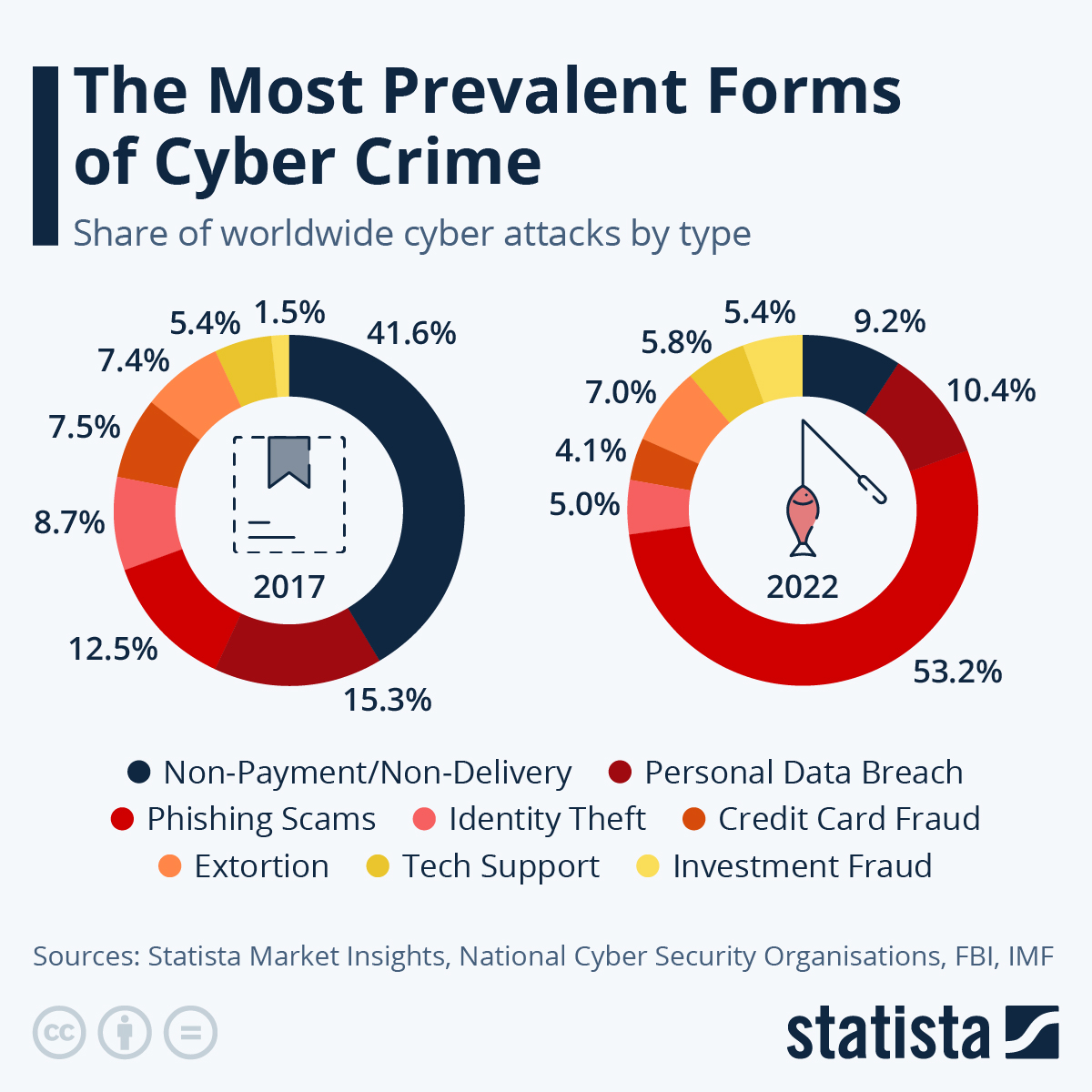
Beyond physical threats, the digital landscape is fraught with constant instability. In separate discussions regarding data security, legal experts have pointed out the staggering frequency of personal data breaches, noting that personal data piracy occurs nearly every hour. This constant leakage of information can provide criminals with the intelligence needed to identify high-net-worth cryptocurrency holders, effectively acting as a reconnaissance tool for physical crimes.
Who is Most at Risk?
The primary targets for these crimes are typically individuals who:
- Publicly disclose their involvement in cryptocurrency trading or mining.
- Possess significant holdings in well-known digital assets.
- Lack rigorous physical and digital security measures for their private keys.
- Operate in regions where law enforcement may struggle to maintain pace with blockchain-based crimes.

The psychological impact of these crimes is profound. Unlike a digital hack, where the loss is purely financial, these abductions involve physical trauma and the threat of death, marking a grim new chapter in the history of financial crime.
What This Means for Global Investors
The escalation of these crimes suggests that the “digital gold rush” has attracted a level of organized crime that is no longer content with simple phishing scams. The transition to physical violence indicates a professionalization of these criminal enterprises, which are now treating cryptocurrency holders as high-value targets for kidnapping.

For the global investment community, this necessitates a shift in how security is viewed. Digital security—such as multi-signature wallets and hardware storage—is no longer sufficient if the physical security of the owner is compromised. The “human element” has become the primary vulnerability.
As criminals continue to “mount in power,” the necessity for coordinated international law enforcement responses becomes critical. Because cryptocurrency transcends national borders, the laundering of these funds often involves multiple jurisdictions, making the recovery of stolen assets and the apprehension of kidnappers a complex geopolitical challenge.
There are currently no scheduled public hearings or official government filings regarding a specific new legislative mandate to combat these specific abductions. however, the ongoing discourse among legal experts like Me Antoine Chéron emphasizes the urgent need for increased vigilance and improved reporting mechanisms for crypto-related crimes.
We encourage our readers to share this report to raise awareness about the physical risks associated with digital asset ownership. Please depart your thoughts in the comments section below regarding how the industry should address these security threats.
Keep reading