
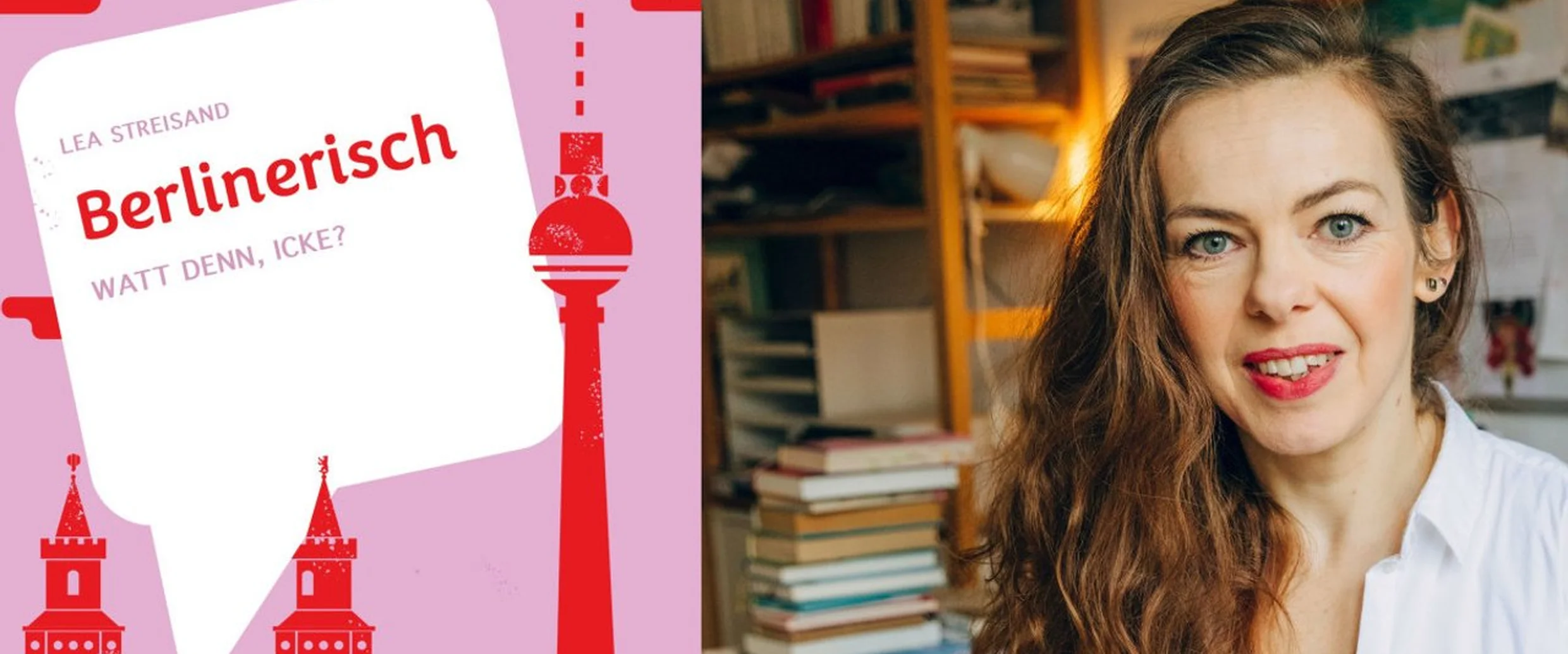
Berlin is a city defined by its unique linguistic landscape, where the local vernacular—Berlinerisch—serves as both a cultural badge and a vibrant bridge between the past and the present. For those seeking to understand the heart of the German capital, navigating the nuances of phrases like “Wat denn, icke?” is more than a linguistic exercise; it is an invitation to engage with the city’s identity. On May 28, 2026, the Museum für Kommunikation Berlin hosts an event that explores these cultural threads, offering a space for reflection on the evolution of language and storytelling in the metropolis.
The event, featuring author Lea Streisand, highlights the ongoing dialogue between literature and the urban experience. As an editor, I often observe how sports and culture serve as mirrors for society, and in Berlin, What we have is particularly evident. The city’s official municipal portal provides a wealth of information for those looking to understand the administrative and cultural frameworks that support such public engagements. Understanding how a city preserves its voice—through events, museums, and artistic stipends—is essential for grasping the broader German social fabric.
The Evolution of Berlinerisch
Berlinerisch is not merely a dialect; it is a historical record of the city’s resilience and humor. The phrase “Wat denn, icke?”—which translates roughly to “What’s that, me?” or “What do you mean, me?”—is a classic example of the Berlin “Schnauze,” a blend of directness and wit. Linguists often note that the dialect has been shaped by centuries of migration and cultural exchange, reflecting the diverse origins of Berlin’s residents. According to the Leibniz Institute for the German Language, regional dialects in Germany continue to evolve alongside standard German, maintaining their relevance in contemporary discourse.
Events like those scheduled at the Museum für Kommunikation allow the public to interact directly with the keepers of this tradition. By focusing on the intersection of language, communication, and art, these sessions provide a deeper understanding of why the local dialect remains a powerful marker of community. The museum itself is a cornerstone of the city’s educational infrastructure, dedicated to the history of human interaction and the technological advancements that have shaped how we share our stories today.
Cultural Stipends and Artistic Expression
The mention of a comic-stipendium—or comic scholarship—during the May 28th event underscores Berlin’s commitment to supporting the arts. Berlin has long been recognized as a global hub for creative industries, providing various grants and stipends to foster innovation in storytelling, illustration, and literature. For aspiring artists, these programs are critical lifelines that enable the production of work that might otherwise remain unseen. The Berlin Senate Department for Culture and Social Cohesion frequently updates its listings regarding funding opportunities for cultural practitioners, ensuring that the city remains a fertile ground for new voices.
These initiatives are not just about financial support; they are about maintaining the city’s status as a cultural leader. By investing in comics and literature, Berlin ensures that the next generation has the tools to document the city’s ongoing transformation. Whether through traditional literature or the graphic arts, the goal remains the same: to capture the essence of Berlin life in a way that resonates with both long-time inhabitants and newcomers.
Museum für Kommunikation: A Hub for Dialogue
Situated in the historic Leipziger Straße, the Museum für Kommunikation Berlin is an ideal venue for exploring how language and media intersect. The building itself, a masterpiece of architecture, houses extensive collections that track the history of postal services, telecommunications, and the evolution of the written word. Visitors to the museum on May 28, 2026, will find themselves at the nexus of Germany’s historical and contemporary communication landscape. More information regarding the museum’s current exhibitions and opening hours can be found on their official website.
Engagement with literature and language in such a setting reminds us that communication is the bedrock of societal development. Whether through the lens of a local author or the historical artifacts of a museum, the effort to understand how we speak to one another is a vital part of the civic experience. As we look ahead to future cultural events in the city, the focus remains on inclusivity and the celebration of Berlin’s multifaceted identity.
Key Takeaways for Visitors
- Cultural Immersion: Engaging with local authors and linguists is the most effective way to appreciate the nuances of the Berlinerisch dialect.
- Support Systems: Berlin’s robust system of arts and literature stipends ensures that the city’s creative pulse remains strong.
- Institutional Value: The Museum für Kommunikation serves as a primary resource for those interested in the history of how we connect and share information.
- Educational Opportunities: Keep an eye on municipal cultural calendars for future readings, workshops, and scholarship announcements.
As we observe the date of May 28, 2026, Berlin continues to prioritize the preservation of its linguistic and artistic heritage. For those interested in tracking further developments in the city’s cultural scene, official updates are typically provided through the Berlin Senate’s cultural department. I encourage our readers to share their own experiences with regional dialects and the importance of supporting local arts in the comments section below. Your insights help us foster a truly global conversation about the power of language in our daily lives.
