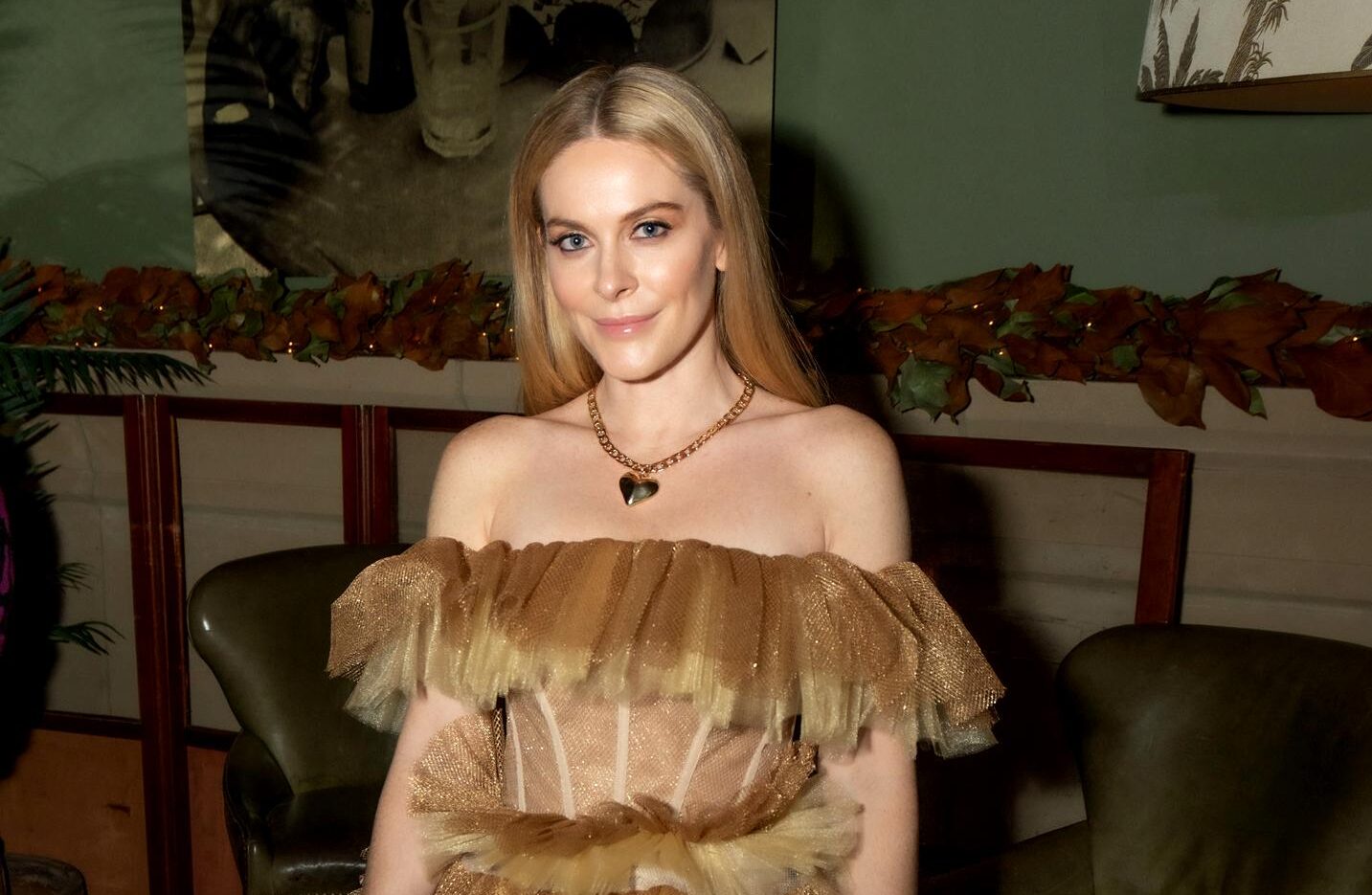
Los Angeles, CA – Former Real Housewives of New York City star Leah McSweeney has secured a significant legal victory in her ongoing lawsuit against Bravo and network executive Andy Cohen. A New York judge has denied Bravo’s request to move the case to private arbitration, meaning the contentious proceedings will remain open to the public. The decision, handed down on Monday, marks a pivotal moment in McSweeney’s allegations of a toxic work environment and exploitation during her time on the reality television franchise.
The lawsuit, initially filed in February 2024, centers around McSweeney’s claims that producers deliberately attempted to exploit her struggles with alcohol addiction for dramatic effect, and fostered an environment that encouraged relapse. She further alleges that Cohen engaged in inappropriate behavior and favored cast members with whom he allegedly used cocaine. These accusations have sparked a fierce legal battle, raising broader questions about the ethical responsibilities of reality television production companies towards their talent. The case has garnered significant attention within the entertainment industry and among fans of the Real Housewives franchise, prompting discussions about the potential for exploitation and the pressures faced by reality stars.
Judge Lewis Liman’s ruling rebuked Bravo and Cohen for their handling of the arbitration request. According to court documents, the defendants initially litigated aspects of the case in federal district court before attempting to shift the proceedings to private arbitration. Liman criticized this maneuver, stating that they were attempting to “have their cake and eat it too,” and that they had waived their right to arbitration by pursuing litigation first. The judge’s decision underscores the importance of transparency in legal proceedings, particularly in cases involving allegations of misconduct within the entertainment industry. This ruling ensures that the details of the case, including potentially damaging evidence, will be subject to public scrutiny.
Judge Criticizes Bravo’s Legal Strategy
The judge’s decision wasn’t merely a procedural ruling; it included a pointed critique of Bravo’s legal tactics. Liman specifically noted that Bravo and Cohen only raised the issue of arbitration after facing setbacks in their initial attempts to have the case dismissed. He speculated that the shift in strategy was motivated by a fear of “civil discovery” – the process of exchanging information and evidence – becoming public. “Defendants are trying to have their cake and eat it too,” Liman wrote in his ruling, as reported by TMZ. This suggests the network was concerned about potentially damaging information surfacing during the discovery phase of the trial.
The legal battle began when McSweeney alleged a hostile work environment, discrimination based on disability, and a failure to provide reasonable accommodations. She claims producers actively pressured her to drink alcohol on camera, despite her well-documented sobriety journey, believing it would create more compelling television. The lawsuit also details accusations of retaliation for her sobriety and alleges that Bravo fostered a workplace that contributed to a potential relapse. These claims paint a disturbing picture of a production environment prioritizing ratings over the well-being of its cast members.
Allegations of Cocaine Use and Retaliation
Perhaps the most explosive aspect of McSweeney’s lawsuit involves allegations against Andy Cohen. She accused him of having a “proclivity for cocaine usage with his employees” and of providing preferential treatment to Housewives with whom he allegedly used drugs. A representative for Cohen vehemently denied these allegations in February 2024, calling them “completely false” and threatening further legal action if they were not retracted. Though, the accusations have fueled intense scrutiny of Cohen’s role within Bravo and the broader reality television landscape.
Further complicating matters, court papers examined by Page Six in May 2025, alleged that Cohen leveraged his influence to orchestrate a smear campaign against McSweeney. The documents claim he “directed or induced” numerous current and former Real Housewives cast members to publicly discredit her claims, offering them preferential treatment in return. The allegations suggest a concerted effort to silence McSweeney and protect Cohen’s reputation.
Impact on Reality Television Accountability
This legal battle extends beyond the individual claims of Leah McSweeney. It raises critical questions about the responsibility of reality television producers to protect the mental and physical health of their cast members. The industry has long been criticized for its exploitative practices and the pressures it places on individuals seeking fame and fortune. McSweeney’s lawsuit, and the judge’s decision to allow it to proceed in public court, could pave the way for greater accountability and transparency within the reality television industry. The case could encourage other reality stars to come forward with their own experiences of mistreatment and exploitation.
While some of McSweeney’s initial claims have been dismissed, the core allegations of discrimination, a hostile work environment, and failure to provide reasonable accommodations remain active. These remaining claims focus on the alleged mistreatment McSweeney experienced due to her disability and the alleged creation of a toxic work environment. The outcome of this case could set a precedent for how reality television producers are held accountable for the well-being of their talent. It could also lead to changes in industry practices and regulations designed to protect vulnerable individuals from exploitation.
Following the judge’s ruling, McSweeney addressed the outcome in an Instagram Story, acknowledging the emotional toll the legal battle has taken. She expressed gratitude for the support she has received and emphasized the importance of holding the industry accountable for harmful misconduct. “Reality TV might look like entertainment, but behind the drama there can be harmful misconduct that should never be normalized,” she stated. Her words resonate with a growing chorus of voices calling for greater ethical standards within the reality television industry.
The case is expected to continue moving forward in the Southern District of New York. While a trial date has not yet been set, the denial of arbitration ensures that the proceedings will be open to public scrutiny. The next steps will likely involve further discovery, including depositions and the exchange of evidence. The outcome of this case could have far-reaching implications for the future of reality television and the rights of its participants. The legal teams for both sides are preparing for a protracted battle, and the world will be watching closely to see how this case unfolds.
Key Takeaways:
- Leah McSweeney’s lawsuit against Bravo and Andy Cohen will proceed in public court after a judge denied a motion for private arbitration.
- The lawsuit alleges a toxic work environment, exploitation of addiction, and discrimination.
- The judge criticized Bravo’s legal strategy, accusing them of attempting to avoid public scrutiny.
- The case raises broader questions about accountability and ethical standards within the reality television industry.
This is a developing story. We will continue to provide updates as they become available. Share your thoughts on this case in the comments below.
Worth a look