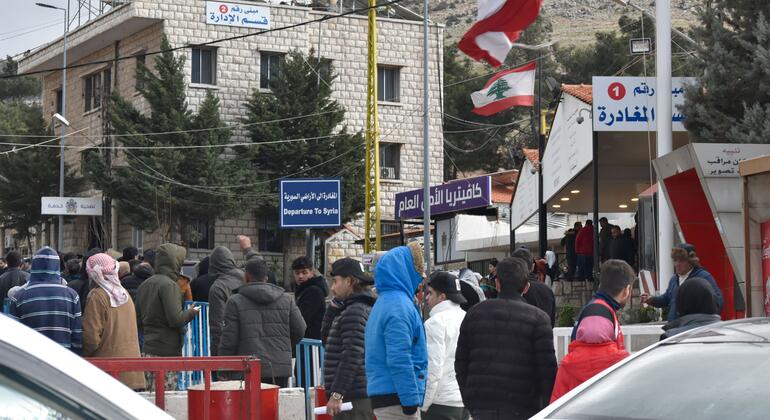
Beirut, Lebanon – The escalating conflict in the Middle East is entering a critical phase, marked by a surge in civilian displacement, particularly within Lebanon and growing concerns over disruptions to global supply chains. As strikes and counter-strikes continue across the region, humanitarian organizations are warning of a deepening crisis with potentially far-reaching economic consequences. The situation, now in its fifth day as of March 4th, 2026, is placing immense strain on regional infrastructure and raising fears of a wider regional conflict. The United Nations is closely monitoring developments and coordinating humanitarian efforts.
The immediate impact of the conflict is most acutely felt in Lebanon, where a significant wave of displacement is underway. Whereas precise figures are still being compiled, reports indicate a substantial increase in the number of internally displaced persons (IDPs) seeking refuge from the violence. This influx is exacerbating existing vulnerabilities within Lebanon, a nation already grappling with a severe economic crisis and political instability. The country’s infrastructure, already weakened by years of challenges, is struggling to cope with the increased demand for essential services. The Office of the High Commissioner for Human Rights (OHCHR) has a regional office covering Lebanon, focusing on monitoring and reporting the human rights situation and promoting sustainable development goals. More information on the OHCHR’s work in Lebanon can be found on their website.
Rising Civilian Toll and Humanitarian Concerns
Beyond Lebanon, the conflict is taking a heavy toll on civilians across the Middle East. Reports from the region indicate a rising number of casualties, though independent verification remains challenging. UN agencies are expressing deep concern over the protection of civilians and are calling for all parties to adhere to international humanitarian law. Damage to critical infrastructure, including hospitals, schools, and power plants, is further compounding the humanitarian crisis. The disruption of essential services is leaving communities without access to basic necessities such as healthcare, water, and electricity.
The United Nations is actively engaged in providing humanitarian assistance to those affected by the conflict. Though, access to affected areas remains a significant challenge, hindering the delivery of aid and the provision of essential services. The UN is working with local partners to identify and address the most urgent needs, including providing shelter, food, and medical care to displaced populations. The escalating confrontation is disrupting airspace and transport, further complicating humanitarian efforts.
Supply Chain Disruptions and Economic Fallout
The conflict is also having a significant impact on global supply chains, particularly in the energy and shipping sectors. Disruptions to key shipping routes in the region are causing delays and increasing transportation costs. This is contributing to rising global prices for essential goods, including food and fuel. The potential for further escalation of the conflict raises the specter of a more prolonged disruption to supply chains, with potentially severe consequences for the global economy. The impact on energy routes is particularly concerning, as the Middle East remains a critical source of oil and gas for many countries worldwide.
Experts warn that the disruptions to shipping and energy routes could exacerbate existing inflationary pressures and contribute to food insecurity, particularly in countries that are heavily reliant on imports from the region. The World Food Programme (WFP) is closely monitoring the situation and is preparing to scale up its assistance to vulnerable populations if necessary. The conflict’s impact on global markets is being closely watched by financial institutions and policymakers around the world. The potential for a wider regional conflict adds to the uncertainty and volatility in global markets.
Lebanon’s Vulnerability Amplified
Lebanon’s existing economic crisis makes it particularly vulnerable to the fallout from the escalating conflict. The country is facing a severe shortage of foreign currency, a collapsing banking system, and widespread poverty. The influx of displaced persons is placing additional strain on Lebanon’s already overstretched resources. The Lebanese government is struggling to cope with the crisis and is appealing for international assistance. The OHCHR’s regional office in Beirut is working to monitor the human rights situation and provide support to the Lebanese government in addressing the challenges posed by the conflict.
International Response and Diplomatic Efforts
The international community is responding to the crisis with a mix of diplomatic efforts and humanitarian assistance. The United States and other major powers are calling for de-escalation and a return to dialogue. The United Nations Security Council is expected to hold an emergency meeting to discuss the situation. However, reaching a consensus on a unified response remains challenging, given the complex geopolitical dynamics in the region. The UN News app provides real-time updates on the conflict and the international response. Users can follow the coverage here.
The ongoing conflict in the Middle East represents a significant threat to regional stability and global economic security. The humanitarian consequences are already severe, and the potential for further escalation is a major concern. Addressing the root causes of the conflict and finding a peaceful resolution will require sustained diplomatic efforts and a commitment to international cooperation. The situation demands a coordinated and comprehensive response from the international community to mitigate the suffering of civilians and prevent a further deterioration of the crisis.
Key Takeaways
- The conflict in the Middle East is causing widespread displacement, particularly in Lebanon.
- Disruptions to shipping and energy routes are driving up global prices and worsening food insecurity.
- The humanitarian toll is rising, with increasing civilian casualties and damage to critical infrastructure.
- International efforts to de-escalate the conflict and provide humanitarian assistance are underway.
The United Nations will continue to monitor the situation closely and provide updates as they become available. The next scheduled update from the UN Security Council is expected on March 15th, 2026. We encourage readers to share their thoughts and perspectives on this critical issue in the comments below.