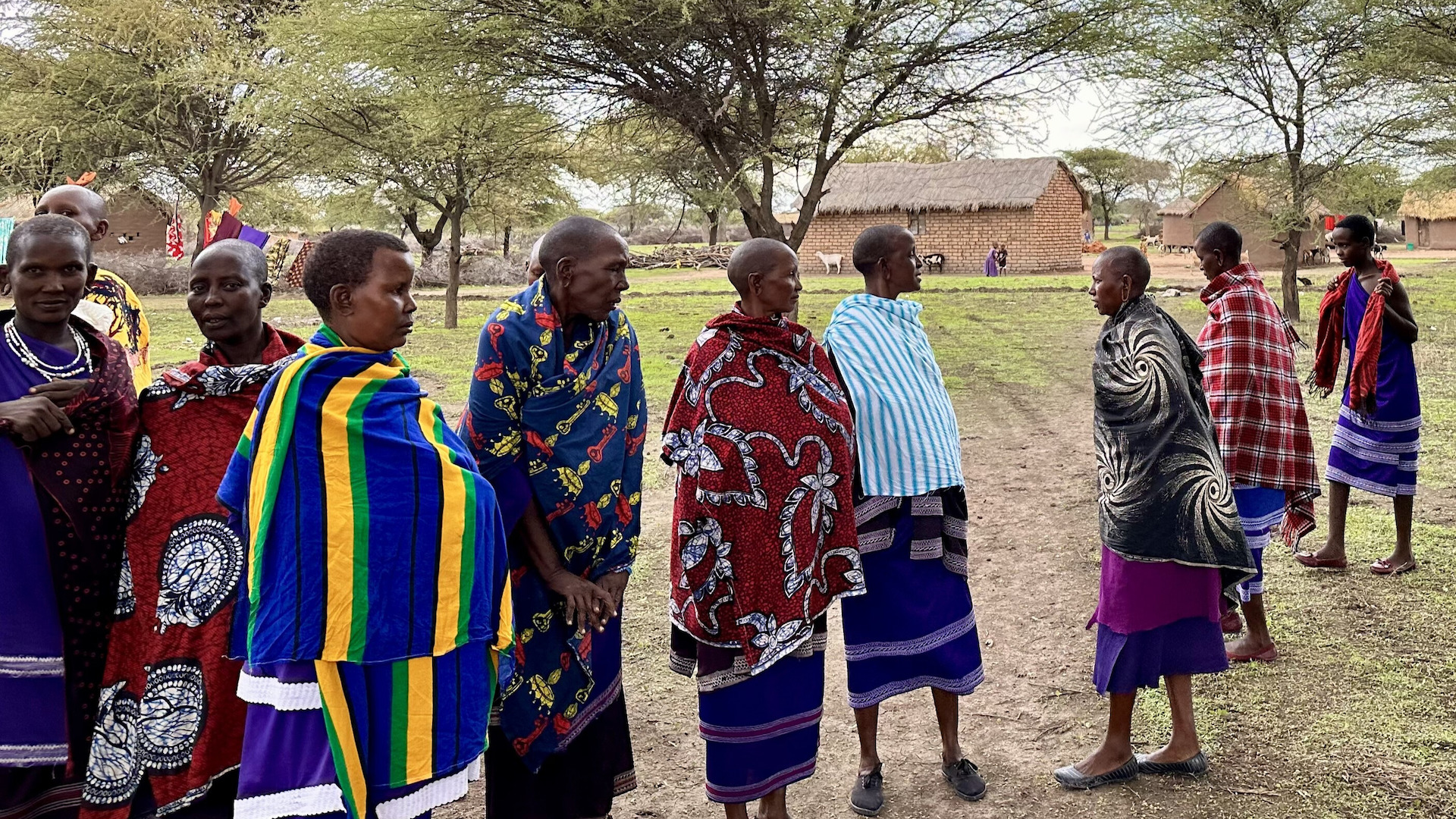
London, United Kingdom – Villagers in Tanzania are escalating their fight for redress following allegations of widespread human rights abuses linked to a World Bank-funded conservation project. A formal grievance has been filed with the World Bank’s Grievance Redress Service, claiming that despite assurances of support, communities continue to suffer from loss of livelihoods and ongoing violence stemming from the now-cancelled Resilient Natural Resource Management for Tourism and Growth (REGROW) project. The case highlights the complex challenges of balancing conservation efforts with the rights and well-being of local populations.
The $150 million REGROW project, approved in September 2017 and terminated in November 2024, aimed to improve natural resource management and boost tourism in southern Tanzania. According to the World Bank, the project sought to increase access to alternative livelihoods for targeted communities. Yet, the initiative quickly became mired in controversy, with accusations of forced evictions, violence, and even extrajudicial killings perpetrated by Tanzanian wildlife rangers. These allegations prompted an investigation by the World Bank’s Inspection Panel, which found “critical failures” in the project’s planning and supervision, resulting in “serious harm.”
The Oakland Institute, a California-based think tank advocating for land and resource rights, is representing the affected communities in their grievance. The institute alleges that, despite a World Bank Action Plan released in April 2025 promising to halt forced resettlement and provide livelihood support, abuses continue. The complaint details claims of recent killings by park rangers and ongoing restrictions on traditional livelihoods, leaving communities vulnerable and without adequate recourse. The situation underscores the difficulties in ensuring accountability and delivering meaningful reparations in the wake of large-scale development projects.
World Bank Investigation Reveals Project Failures
The World Bank’s own investigation, completed in September 2024, substantiated many of the concerns raised by affected communities and advocacy groups. The Inspection Panel report detailed significant shortcomings in the project’s design and implementation. Specifically, the report highlighted failures in adequately assessing and mitigating the social and environmental risks associated with expanding protected areas and restricting access to natural resources. The report as well criticized the lack of effective monitoring and oversight mechanisms to prevent abuses by park rangers.
The REGROW project comprised four key components: strengthening management and infrastructure in protected areas; supporting alternative livelihoods; improving landscape management around Ruaha National Park; and project management. Even as the project did achieve some positive results – including the establishment of 565 Community Conservation Banks (COCOBA) groups with over 11,600 members, and the training of 409 Village Game Scouts – these gains were overshadowed by the reported human rights violations. The COCOBA initiative focused on providing financial training and support for livelihood projects, with approximately half focused on crop farming and 15% on livestock keeping. However, these economic benefits appear to have been insufficient to offset the negative impacts experienced by communities displaced or restricted by the project.
Allegations of Ongoing Abuses and Forced Evictions
The Oakland Institute’s recent statement alleges that the situation on the ground has not improved despite the World Bank’s Action Plan. The institute claims that Tanzanian park rangers have killed two more local residents since the plan’s release and continue to “terrorise communities.” These allegations, if confirmed, raise serious questions about the effectiveness of the World Bank’s efforts to address the harm caused by the project. The institute further contends that the Tanzanian government, under President Samia Suluhu Hassan, is planning to evict residents from five villages, potentially displacing “tens of thousands of people” – a move that directly contradicts the World Bank’s assurances.
President Samia Suluhu Hassan assumed office in March 2021 following the death of President John Magufuli. Her administration has faced scrutiny over its human rights record, including concerns about restrictions on freedom of expression and assembly. The Oakland Institute alleges that her recent election was “marred by widespread rights violations,” adding to the concerns about the government’s commitment to protecting the rights of its citizens. The planned evictions, if carried out, would represent a significant setback for the affected communities and further erode trust in the government’s commitment to sustainable development.
The Role of Ruaha National Park Expansion
A central point of contention in the REGROW project was the expansion of Ruaha National Park, one of Tanzania’s largest and most important wildlife reserves. The expansion, intended to protect biodiversity and boost tourism revenue, led to the displacement of communities who had traditionally relied on the land for their livelihoods. Wildlife-based tourism contributes significantly to Tanzania’s economy, accounting for more than a quarter of the country’s foreign exchange earnings in 2019. However, the benefits of tourism have not been equitably distributed, and many local communities have been marginalized as a result of conservation efforts.
The expansion of the park and the increased presence of park rangers led to frequent clashes with local communities, often resulting in violence and human rights abuses. The Oakland Institute and other advocacy groups have documented numerous cases of arbitrary arrests, beatings, and even killings by park rangers. These abuses were allegedly committed with impunity, and victims have faced significant obstacles in seeking justice and redress. The situation highlights the need for greater accountability and transparency in the management of protected areas and the enforcement of conservation laws.
World Bank Response and Future Actions
The World Bank has acknowledged the shortcomings of the REGROW project and has pledged to take steps to address the harm caused to affected communities. The Action Plan released in April 2025 includes commitments to halt forced resettlement, ensure the continuation of farming and pastoral activities, and provide livelihood support. However, the Oakland Institute and other observers remain skeptical about the effectiveness of these measures, citing the ongoing reports of abuses and the planned evictions.
Anuradha Mittal, Executive Director of the Oakland Institute, emphasized the World Bank’s responsibility to address the situation, stating that, “as Tanzania’s largest donor, [the World Bank] has the means and the leverage to end this harm and repair the devastation of lives It’s responsible for.” The institute is calling on the World Bank to exert greater pressure on the Tanzanian government to protect the rights of affected communities and to provide adequate compensation for the losses they have suffered. They are also urging the Bank to strengthen its due diligence procedures and oversight mechanisms to prevent similar abuses from occurring in future projects.
The case of REGROW serves as a cautionary tale about the potential negative consequences of development projects that fail to adequately consider the social and environmental impacts on local communities. It underscores the importance of ensuring that conservation efforts are implemented in a way that respects human rights and promotes sustainable livelihoods. The ongoing grievance process and the scrutiny of the World Bank’s response will be crucial in determining whether justice can be served for the affected communities in Tanzania.
The next step in the grievance process involves a review of the complaint by the World Bank’s Grievance Redress Service, followed by a potential investigation and mediation process. Affected communities and advocacy groups will continue to monitor the situation closely and advocate for a just and equitable resolution. Readers are encouraged to share their thoughts and perspectives on this important issue in the comments section below.
Related reading