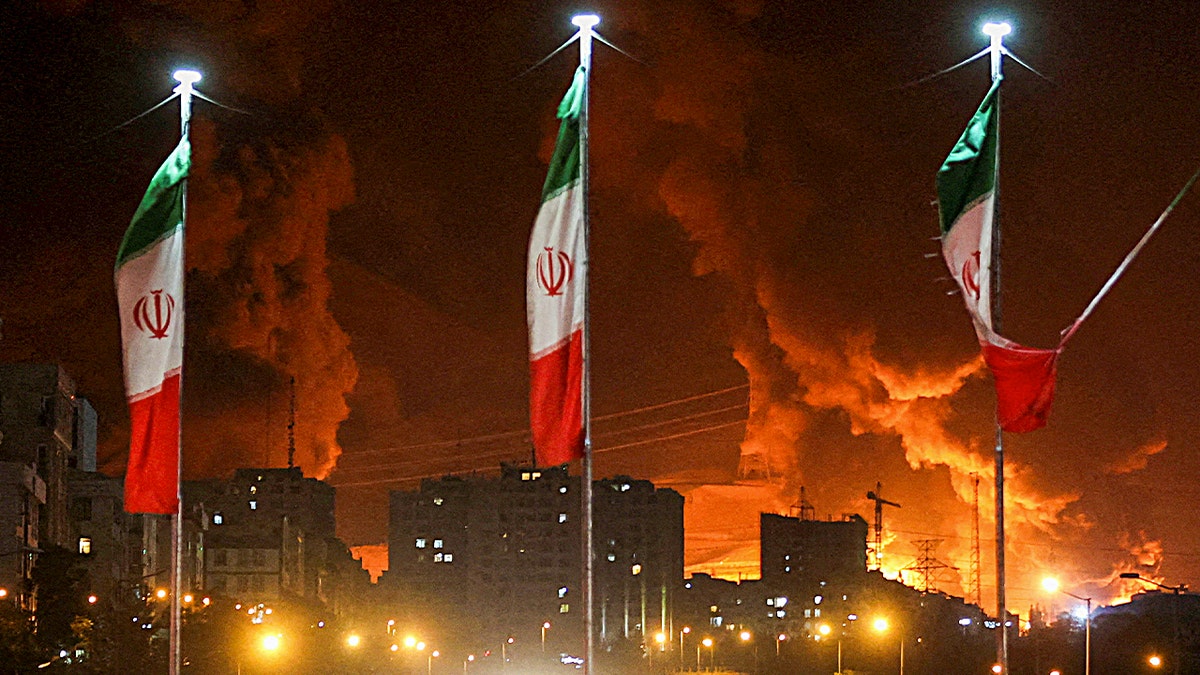
Israel and Hezbollah have exchanged strikes across southern Lebanon in recent days, underscoring the fragility of regional stability even as diplomatic efforts to de-escalate the broader US-Iran conflict remain stalled. The exchanges, which include artillery fire and cross-border raids, have intensified concerns that localized violence could derail tentative progress toward a wider ceasefire framework involving Lebanon, Israel and international mediators.
According to verified reports from April 23, 2026, Israeli forces conducted targeted strikes on Hezbollah positions in the Bekaa Valley and southern Lebanon, citing rocket fire originating from Lebanese territory. In response, Hezbollah launched salvoes of rockets into northern Israel, prompting air raid sirens in communities near the border. These developments come amid ongoing efforts by the United States to broker a framework for peace between Lebanon and Israel, a process initially announced by Secretary of State Marco Rubio in mid-April as a means to diminish Iran’s regional influence through its proxy, Hezbollah.
The current escalation follows a pattern of intermittent violence that has persisted despite periodic calls for restraint. On April 15, 2026, The National News reported that US-led talks in Washington had begun without Iranian participation for the first time since the abrogated 1983 Lebanon-Israel agreement, aiming to establish conditions under which Hezbollah might disarm. Though, the absence of direct US-Iran dialogue has limited the reach of these efforts, particularly as Tehran continues to view Hezbollah as a critical component of its deterrence strategy.
Diplomatic channels between Washington and Tehran remain inactive, with no confirmed meetings between US special envoys Steve Witkoff and Jared Kushner and Iranian Foreign Minister Abbas Araqchi as of late April 2026. Reuters reported on April 24 that it remained unclear whether such a meeting would occur over the weekend or be delayed further, reflecting the deepening mistrust between the two capitals over issues ranging from nuclear enrichment to regional militias.
Hezbollah, designated a terrorist organization by the United States and several allied states, retains significant military capabilities despite international pressure to disarm. Its arsenal includes precision-guided rockets and anti-tank missiles, many of which have been deployed in recent exchanges. The group’s continued armament stands in contrast to the Taif Agreement of 1989, which mandated the disbandment of all militias following Lebanon’s civil war but was never fully implemented due to Syrian and Iranian backing for Hezbollah’s armed wing.
Civilian populations on both sides of the Blue Line have borne the brunt of the renewed hostilities. In southern Lebanon, Israeli airstrikes have damaged residential areas and infrastructure, displacing families and straining humanitarian resources. In northern Israel, rocket alerts have disrupted daily life, particularly in agricultural communities near the border where residents report frequent shelter-seeking during escalations. International observers warn that prolonged instability could exacerbate economic hardship in Lebanon, where over 80% of the population lives below the poverty line according to UN assessments from 2025.
The United States has framed its engagement in Lebanon as part of a broader strategy to counter Iran’s influence without direct confrontation. By supporting dialogue between Beirut and Jerusalem, Washington hopes to create incentives for Hezbollah to transition from an armed insurgency to a purely political entity. Yet critics argue that without addressing Iran’s security concerns—particularly regarding sanctions relief and regional recognition—such efforts risk appearing one-sided and may fail to produce lasting change.
Regional actors including Saudi Arabia and Egypt have historically played mediating roles in Lebanese affairs, notably through their sponsorship of the Taif Agreement. However, their current involvement remains limited, with both countries expressing caution about appearing to endorse Israeli security initiatives that could be perceived as undermining Palestinian rights. This hesitation reflects broader Arab ambivalence toward US-led initiatives that appear to prioritize Israeli strategic gains over comprehensive regional settlement.
As of April 27, 2026, no formal ceasefire has been established between Israel and Hezbollah, nor has a timeline been set for the resumption of US-Iran talks. The next diplomatic checkpoint remains unspecified, though officials in Washington have indicated that backchannel communications continue through intermediaries in Oman, and Qatar. For real-time updates on the situation, readers are encouraged to consult verified sources such as the United Nations Interim Force in Lebanon (UNIFIL) daily reports and official statements from the Lebanese Ministry of National Defense.
This evolving situation underscores the interconnected nature of Middle Eastern conflicts, where local flashpoints can quickly influence broader geopolitical negotiations. While military exchanges continue to capture headlines, the long-term resolution of tensions will depend on sustained diplomatic engagement that addresses both security concerns and the underlying political grievances fueling the conflict.
We invite our global audience to share insights, ask questions, and engage in respectful dialogue in the comments below. Your perspectives help deepen understanding of complex international developments. If you found this report informative, please consider sharing it with others interested in global affairs.
Worth a look
- UK Governments and the Erosion of Fundamental Freedoms
- Multiple Fires Erupt Across West Bank Settlements and Highways Amid Rising Tensions
- Tottenham in Talks With Cody Gakpo as Michael Owen Evaluates Liverpool Exit (archyworldys.com)
- Partners Group in Talks to Acquire Majority Stake in Aroma-Zone for $2.3B (time.news)