In a diplomatic move that marks one of the most significant shifts in regional engagement in decades, representatives from Lebanon and Israel are scheduled to hold direct talks in Washington, D.C., this Tuesday, April 14, 2026. The meetings, hosted at the U.S. State Department, represent a rare attempt to bridge a profound divide through high-level diplomacy, though the path to a resolution remains fraught with internal Lebanese opposition and rigid Israeli mandates.
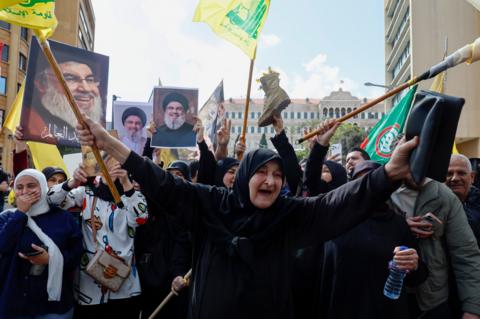
The Lebanon-Israel direct talks Washington summit is occurring against a backdrop of extreme volatility. While the U.S. Government is attempting to facilitate a diplomatic breakthrough, the proceedings are being met with fierce condemnation from Hezbollah, the powerful Iranian-backed group that maintains significant political and military influence within Lebanon. The clash between the Lebanese government’s diplomatic outreach and Hezbollah’s refusal to acknowledge the legitimacy of the talks underscores the fragile nature of Lebanon’s internal political consensus.
The talks are being conducted at the ambassadorial level, featuring Lebanon’s Ambassador Nada Hamada and Israel’s Ambassador Yechiel Leiter. According to reports, U.S. Secretary of State Marco Rubio is expected to participate in the discussions, signaling a high degree of American investment in the outcome via Al Jazeera. This level of direct engagement between the two nations in the U.S. Capital is an occurrence not seen in decades, highlighting the urgency of the current geopolitical crisis.
Hezbollah Condemns ‘Absurd’ Negotiations
The diplomatic effort has been immediately undermined by the leadership of Hezbollah. Secretary-General Naim Qassem has explicitly called for the cancellation of the talks, describing the negotiations as “absurd” (عبثية). Qassem asserted that the “resistance” rejects any negotiations with the “occupying Israeli entity,” arguing that a fundamental shift toward direct negotiation would require a broad Lebanese national consensus that does not currently exist via CNN.
The opposition extends beyond the Secretary-General. Wafiq Safa, a prominent member of Hezbollah’s Political Council, has reinforced this stance by stating that the group will not abide by any agreements that may emerge from the Washington talks via Al Jazeera. This public defiance creates a significant hurdle for the Lebanese diplomatic mission, as any agreement reached in Washington could be rendered unenforceable on the ground without the cooperation of Hezbollah.
The Strategic Divide: Ceasefires and Disarmament
While the U.S. State Department is framing these talks as a step toward stability, the underlying objectives of the participants appear fundamentally mismatched. A critical point of contention is the possibility of a ceasefire. According to the Israeli newspaper Haaretz, Ambassador Yechiel Leiter has been given explicit instructions not to agree to a ceasefire during the proceedings via Al Jazeera.
the strategic goals of the United States and Israel extend beyond a mere cessation of hostilities. Naim Qassem highlighted a core grievance of the resistance, claiming that Israel and the United States have clearly stated their intent to strengthen the Lebanese Army specifically to disarm Hezbollah and engage them in combat via CNN. This objective—the disarmament of non-state actors in favor of a centralized national military—remains one of the most contentious issues in Middle East diplomacy.
Key Stakeholders and Their Positions
| Stakeholder | Primary Position | Key Objective/Constraint |
|---|---|---|
| Lebanese Government | Engaging in direct talks | Diplomatic resolution via U.S. Mediation |
| Israel | Participating in talks | Instructed not to agree to a ceasefire |
| Hezbollah | Total rejection | Prevention of disarmament and “absurd” talks |
| United States | Facilitating dialogue | Regional stability and strengthening Lebanese Army |
Implications for Regional Stability
The timing of these Lebanon-Israel direct talks Washington is precarious. The region is currently grappling with a fragile security environment, and there are persistent fears that continued military strikes in Lebanon could jeopardize broader ceasefire efforts involving other regional actors, including Iran via CNN.

For the global community, the outcome of these talks serves as a litmus test for U.S. Diplomatic leverage in the Middle East. If the talks conclude without a tangible agreement—or if they further deepen the rift between the Lebanese state and Hezbollah—the prospect of a long-term political solution remains dim. The paradox facing the Lebanese delegation is that while they seek international legitimacy and stability, they do so while a significant portion of their internal security apparatus is controlled by a group that views such diplomacy as a betrayal.
As the meetings proceed this Tuesday, the world will be watching to see if the presence of Secretary Marco Rubio and the willingness of the ambassadors to meet can overcome the rigid mandates of the Israeli government and the fierce opposition of the resistance in Lebanon. With no ceasefire on the table and Hezbollah’s refusal to commit to any result, the talks may be as much about signaling intent as they are about achieving a concrete peace treaty.
The immediate next step will be the official readout from the U.S. State Department following the conclusion of the meetings between Ambassador Hamada and Ambassador Leiter. We will continue to monitor these developments as they unfold.
Do you believe direct diplomatic engagement can succeed when non-state actors hold significant power? Share your thoughts in the comments below or share this report with your network.
Worth a look